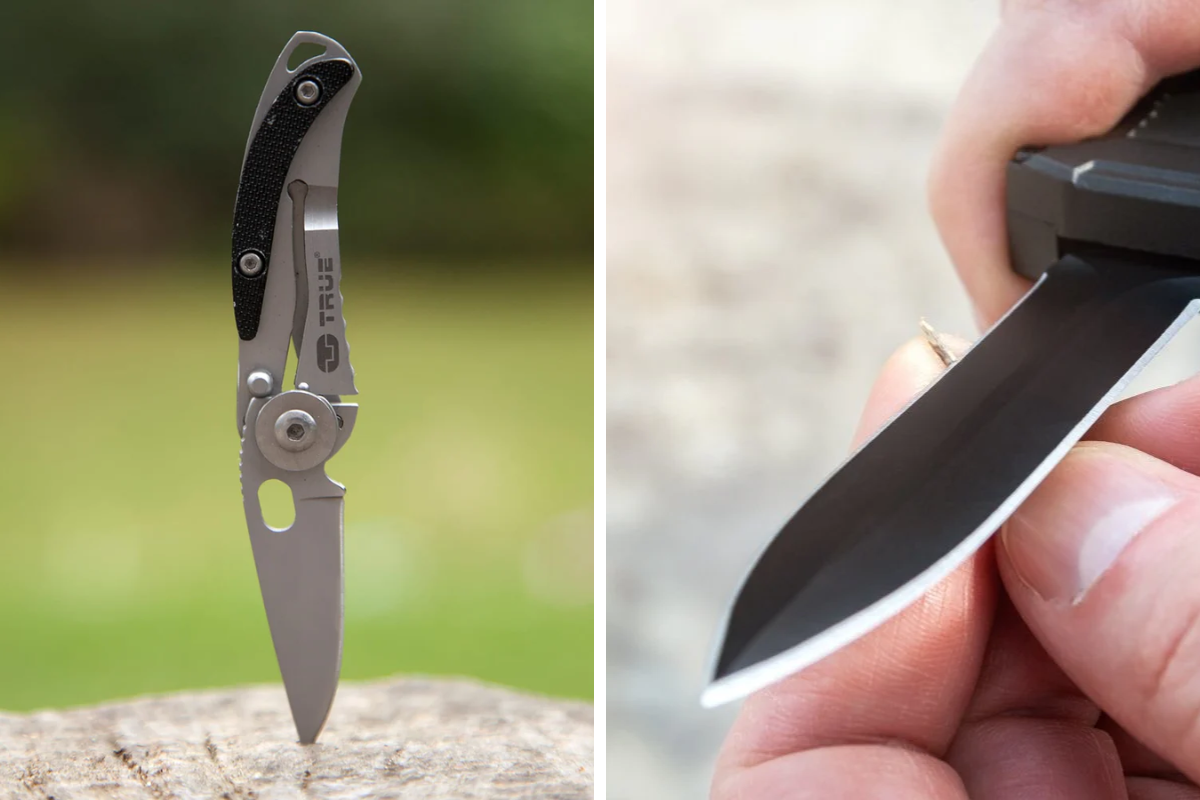
In Virginia, most knives are legal to own and carry, but the law draws clear lines between what you can carry, how you carry it, and where you carry it. Virginia is generally permissive for knife‑owners, yet concealed‑carry rules, school‑zone bans, and prohibited‑knife types can quickly turn a legal tool into a misdemeanor.
What Knives You Can Own
Virginia places minimal restrictions on ownership for most common knives.
- Legal to own and openly carry: Pocket knives, folding knives, fixed‑blade knives, hunting knives, utility knives, and many “weapon‑style” knives such as dirks and bowie knives can be legally owned.
- Prohibited knives: “Ballistic” knives (with spring‑ or explosive‑ejected blades) are completely banned, while certain large or specialized blades may be treated as restricted weapons under broader statutes.
For most residents, the issue is not whether you can own a knife, but how and where you carry it.
Open vs. Concealed Carry
Virginia is relatively lenient on open carry but much stricter on concealed carry.
- Open carry: Most knives can be carried openly without a license, as long as they are not ballistic knives or otherwise illegal weapons.
- Concealed carry: It is illegal to conceal a dirk, bowie knife, switchblade, ballistic knife, machete, razor, or similar “weapon‑like” knife under Virginia Code § 18.2‑308.
Violation of these concealed‑carry rules is typically a Class 1 misdemeanor, with up to one year in jail and a fine of up to $2,500.
School, Courthouses, and Other Sensitive Zones
Virginia law sharply restricts knives in certain places, even if the knife itself is otherwise legal.
- Schools: Any knife on school property is unlawful except a pocket knife with a folding metal blade under 3 inches.
- Courthouses and airports: Only a pocket knife with a blade under 3 inches is allowed; larger knives of any kind are banned from these buildings.
- Places of worship and government facilities: Carrying “dangerous weapons,” including large knives, may be prohibited during services or in secure areas.
Entering these zones with a disallowed knife can lead to criminal charges for carrying a weapon in a restricted area.
Brandishing, Intent, and “Weapon vs. Tool”
How you handle and present a knife matters as much as what you carry.
- Brandishing: Threateningly pointing, waving, or using a knife in a way that intimidates another person can be a Class 1 misdemeanor under Virginia’s brandishing statute.
- Intent and appearance: Courts often look at whether a knife is carried like a utility tool (sheathed, visible, clipped to a belt) versus hidden or carried in a way that suggests it is meant as a weapon for harming others.
Simply owning or openly carrying a legal knife is allowed, but using it to threaten or intimidate can cross into illegal conduct.
Local Rules and Practical Tips
- No statewide preemption: Virginia does not have a statewide preemption law for knives, so cities and counties can adopt their own rules on blade length, location, or carry style. Always check local ordinances before carrying in urban areas.
- Safer practice: Carry a folding or utility knife openly, avoid concealment of restricted‑type knives, and keep larger blades at home or in secure, lawful locations.
SOURCES :
- https://www.couteaux-morta.com/en/virgina-knife-laws/
- https://agadari.com/understanding-your-knife-rights-in-virginia/