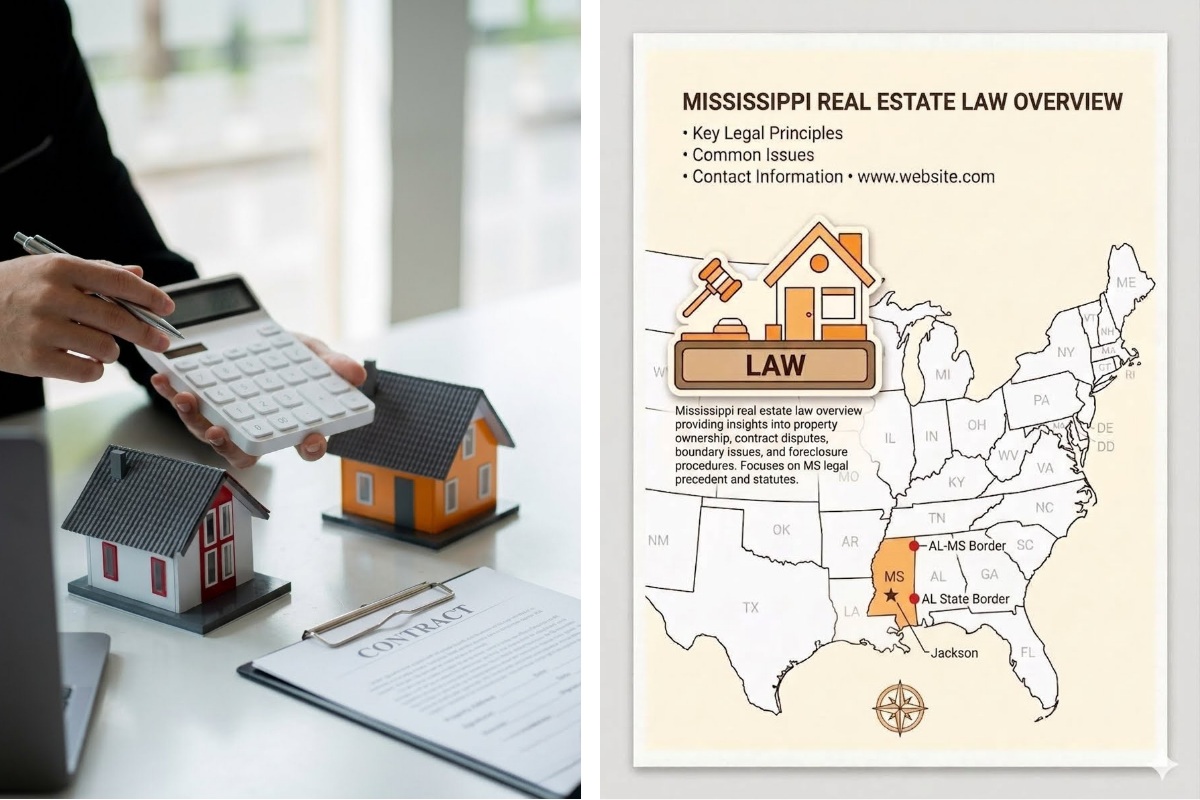
Mississippi tenants facing rent increases in 2026 should know that the state offers very limited protections compared to many other states. Mississippi has no rent control laws, no cap on how much landlords can raise rent, and minimal notice requirements. This makes understanding your lease agreement and tenant rights critically important for protecting yourself from unexpected or extreme rent hikes.
No Rent Control in Mississippi
Mississippi does not have any form of rent control at the state or local level. Landlords may raise rent by any amount they choose, based on market rates, demand, overhead costs, or profit goals. There are no restrictions on the percentage increase or frequency of rent hikes, as long as proper notice is given.
This means that if your landlord decides to increase rent by 10%, 20%, or even 50%, there is no state law preventing them from doing so. The only protection tenants have is the requirement that landlords provide advance written notice before raising the rent.
Notice Requirements for Rent Increases
For month-to-month tenancies, landlords must give tenants at least 30 days’ written notice before increasing rent. This 30-day notice period must cover at least one full rental period, giving tenants time to decide whether to accept the increase or find new housing.
For fixed-term leases, such as one-year agreements, landlords cannot raise rent during the lease term unless the lease specifically allows it.
Rent increases can only take effect at the end of the lease term when the agreement is up for renewal. At that point, landlords must provide at least 30 days’ written notice before the current lease expires, though some landlords give 60 days’ notice as a courtesy.
What Tenants Can and Cannot Do
Tenants cannot refuse a rent increase if proper notice is given and the lease allows it. However, tenants do have the right to decline the increase and move out at the end of the lease term or during the 30-day notice period for month-to-month tenancies. If you cannot afford the increase, you may need to begin searching for more affordable housing immediately upon receiving notice.
Tenants cannot withhold rent in response to a rent increase, and doing so could lead to eviction. Mississippi law explicitly states that no grace period exists for paying rent unless the landlord agrees to one, and landlords may place liens on tenant property for unpaid rent.
Protections Against Retaliation and Discrimination
While Mississippi has no rent control, landlords cannot raise rent in retaliation against tenants who exercise their legal rights. This includes reporting code violations, requesting necessary repairs, or joining tenant organizations. Retaliatory rent increases are illegal under Mississippi law.
Rent increases also cannot be discriminatory. Federal Fair Housing Act protections apply in Mississippi, and state law prohibits discrimination based on race, color, religion, sex, national origin, familial status, and disability. If you believe a rent increase is discriminatory, you may have grounds to file a complaint.
Security Deposits and Other Financial Rights
Mississippi landlords can charge any amount for security deposits with no statutory cap. Landlords must return deposits within 45 days after a tenant moves out, along with an itemized list of any deductions for unpaid rent, utilities, or damage beyond normal wear and tear.
Late fees are allowed if specified in the lease agreement, but there is no statutory limit on the amount. Courts may find excessive late fees unenforceable if they appear to be penalties rather than legitimate liquidated damages.
Practical Tips for Mississippi Tenants
Review your lease agreement carefully to understand when rent increases can take effect and what notice is required. Document all communication with your landlord, especially written notices about rent increases and repair requests. If you cannot afford an increase, start looking for alternative housing immediately, as Mississippi tenants have limited legal protections against large rent hikes.
Understand your right to habitability, which requires landlords to maintain rental units in compliance with building and housing codes, including working plumbing, heating, electricity, and structural integrity.
If your landlord fails to make necessary repairs affecting habitability, you may have the right to repair and deduct costs from rent after providing written notice and allowing reasonable time for repairs.
Mississippi law provides limited tenant protections, making it essential to carefully review and understand your lease agreement before signing. Consider consulting with a local attorney or tenant advocacy group if you face an unusually large rent increase or believe your rights have been violated.
Sources:
- (https://www.hemlane.com/resources/mississippi-rent-control-laws/)
- (https://www.renttohq.com/resources/laws/mississippi)
- (https://www.sunherald.com/living/article294663664.html)