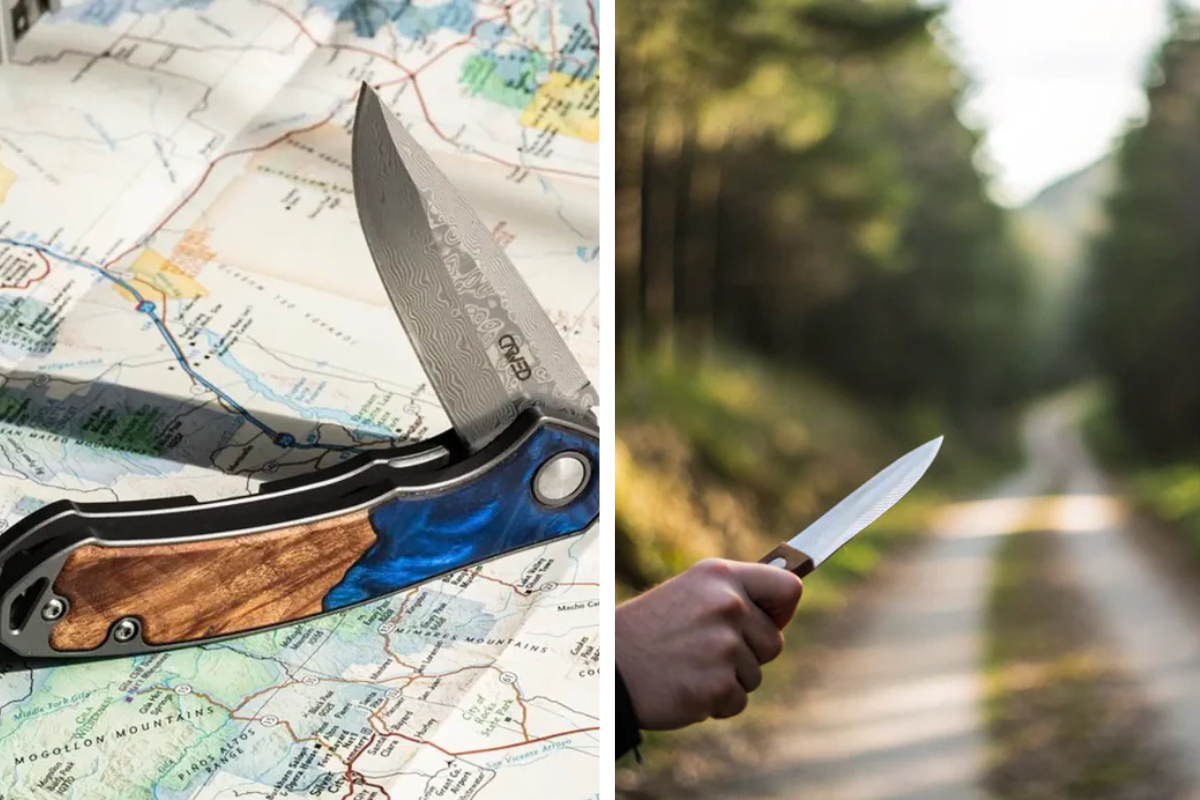
Understanding knife rights in Massachusetts means navigating a mix of state‑law restrictions, local ordinances, and recent changes that loosened some bans while keeping others in place. As of 2026, most “ordinary” knives are legal to own, but certain types, where you carry them, and why you carry them can still land you in legal trouble.
Kinds of knives that are still banned
State law (M.G.L. c. 269, § 10(b)) continues to prohibit carrying several specific designs, including stilettos, daggers, dirks, double‑edged knives, and ballistic or projectile‑style knives. These blade types are treated as illegal weapons whether carried in your pocket, on your belt, or in your vehicle, and possession can lead to misdemeanor charges.
The switchblade change: automatic knives now legal (with limits)
Massachusetts law long banned switchblades and other automatic knives over 1.5 inches, but a 2024 state Supreme Judicial Court decision (Commonwealth v. Canjura) struck that carry ban as a violation of Second Amendment rights.
Under current practice, adults 21 and older can now legally carry most automatic knives (switchblades, OTF, push‑button) with blades under about 3 inches, unless a stricter local ordinance applies.
Blade length, age, and “intent” rules
Outside the banned types, Massachusetts does not have a simple, across‑the‑board blade‑length limit, but local ordinances do. For example, Boston generally bans carrying knives with blades over 2.5 inches in public, with narrow exceptions for work‑related or lawful‑sporting use.
State and local law also stress intent: even if your knife is otherwise legal, carrying it with an intent to use it in a crime can turn it into an illegal weapon and trigger harsher penalties.
Carry methods: open vs concealed
State law does not broadly ban open‑carrying legal knives, though very large or overtly “weapon‑style” open carry can be treated as disorderly conduct or a breach of the peace depending on context. Concealed carry of most everyday knives is generally allowed if the knife itself is not on the banned list and you are not in a restricted area such as a school or courthouse.
What you should do to stay legal
- Stick to common folding knives, small fixed‑blade tools, or automatic knives under 3 inches if you are 21+ and avoid stilettos, daggers, and double‑edged blades altogether.
- Before carrying in a city such as Boston, Worcester, Cambridge, or Malden, check local codes for blade‑length caps and extra restrictions.
- Carry knives in a normal, non‑threatening way (e.g., in a pocket or clipped to a belt) and avoid brandishing or using them in confrontations.
If you are unsure whether a specific knife is legal, or if you have been stopped or charged, consulting a Massachusetts criminal‑defense or firearms‑and‑knives‑rights attorney is the safest way to protect your rights.
SOURCES :
- https://www.tektoknives.com/blogs/news/massachusetts-knife-law-update-switchblades-now-legal
- https://urbanedc.com/blogs/analog-field-guide/massachusetts-knife-laws