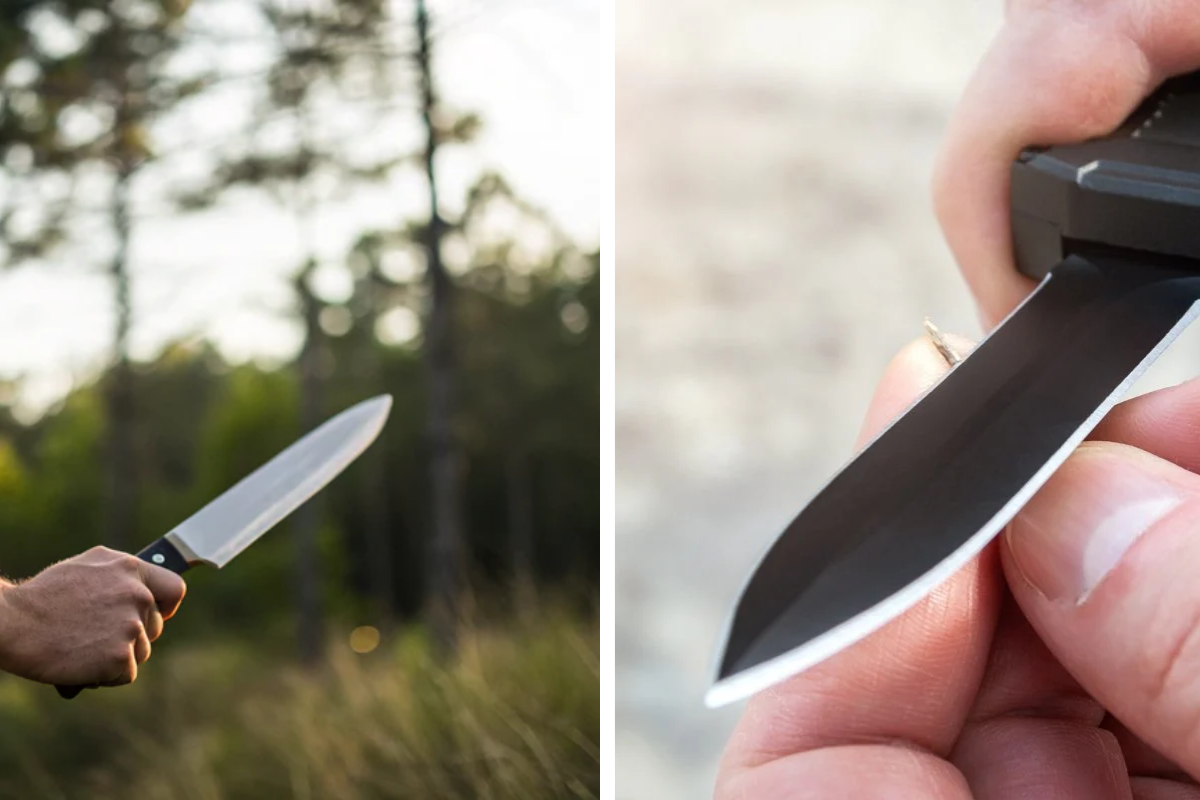
Kansas is one of the most “knife‑friendly” states in the U.S., but there are still important limits on where you carry and who can possess certain blades. Understanding these rules helps avoid unintentional violations when you own or carry a knife on a day‑to‑day basis.
Basic Knife Ownership and Carry Rights
In Kansas, it is legal for most adults to own almost any type of knife, including switchblades, gravity knives, balisongs, daggers, stilettos, Bowie knives, machetes, and swords. Open carry and concealed carry are both allowed, and there is no statewide blade‑length limit for knives.
State law removed earlier restrictions when the Kansas Legislature passed House Bill 2033 in 2013, which deleted most knife‑specific carry rules and clarified that knives are not covered by the old “dangerous weapon” carry statute.
Statewide Preemption and Local Rules
Kansas has statewide preemption for knives, meaning cities and counties cannot impose stricter knife‑ownership or carry laws than the state allows. Any local ordinance that tried to ban specific knives or set shorter blade‑length limits is generally invalid as of July 1, 2013.
That does not mean local agencies have no leverage, however; they can still enforce general public‑safety or disorderly‑conduct rules if someone brandishes a knife in a threatening way, even though the mere possession or carry of the blade is legal.
Where Knives Are Not Welcome
Although knives are broadly legal in Kansas, certain places ban them by law or policy. Common no‑carry zones include:
- Public and many private schools.
- Most jails, juvenile‑correction facilities, and sensitive government buildings.
Carrying a knife in these areas can lead to trespassing or weapon‑possession charges, even if the same knife is perfectly legal in your pocket on the street.
Explicitly Illegal Knives
Two types of blades are specifically banned in Kansas: throwing stars and ballistic knives (knives that can be launched like a projectile). Selling, buying, transferring, or using them is a criminal offense punishable by fines and up to about two years in prison.
Other “dangerous weapons” like blackjacks, billy clubs, and slungshots remain regulated under separate statutes and are not treated the same as ordinary folding or fixed‑blade knives.
Special Rules for Felons
Convicted felons face tighter restrictions under K.S.A. §21‑6304, which limits their possession of certain knives such as daggers, dirks, switchblades, stilettos, and straight‑edged razors. Even if these knives are legal for the general public, a felon carrying them can face additional criminal charges.
Best Practices for Staying Legal
- Carry common folding or fixed‑blade knives openly or concealed; Kansas law does not cap blade length.
- Avoid carrying knives on school grounds, in jails, or other restricted facilities unless explicitly permitted.
- Do not brandish a knife in public; even if carry is legal, using it to threaten someone can trigger “criminal use of weapons” charges.
In short, Kansas gives broad knife rights to most residents, but the key legal risks lie in where you carry and how you use the knife, not in the type or length of blade itself.
SOURCES :
- https://www.akti.org/state-knife-laws/kansas/
- https://urbanedc.com/blogs/analog-field-guide/kansas-knife-laws