Hawaii’s knife laws are more permissive than they used to be, but they still focus heavily on how a knife is carried rather than simple ownership.
As of the 2024 changes under Act 21, many knives that were once banned, including switchblades and butterfly knives, can now be lawfully owned in the state, but concealed carry remains restricted for certain weapons. That makes it important to know the difference between owning, openly carrying, and concealing a knife.
What Changed In 2024
Before the 2024 reforms, Hawaii had some of the strictest knife bans in the country, especially for switchblades and butterfly knives. Act 21 removed the broad possession and transfer bans for those knives and shifted the law toward regulating concealed carry and misuse. In practical terms, the state moved from a near-total prohibition on some blade types to a more targeted approach.
What You Can Own
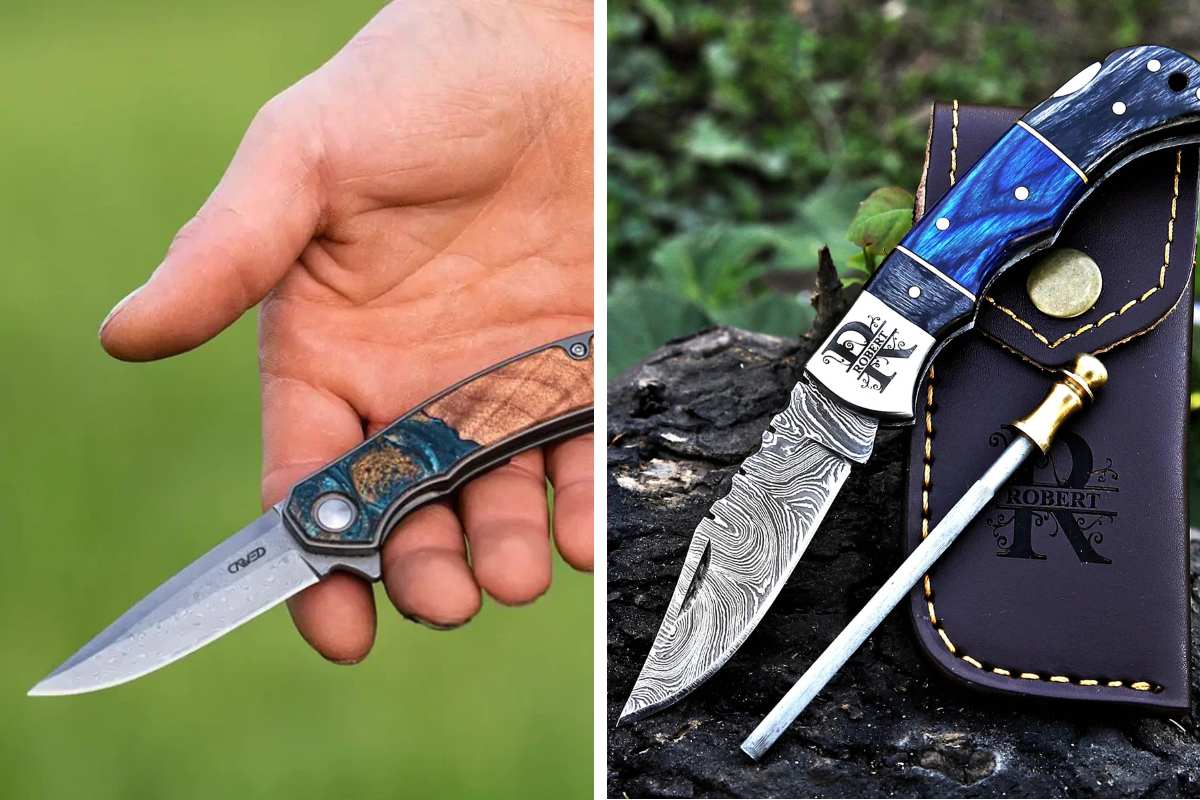
You can generally own standard pocket knives, folding knives, fixed-blade knives, Bowie knives, and machetes in Hawaii. Switchblades and butterfly knives are also legal to possess after Act 21. However, legality at home does not automatically mean legality in public, because carry rules are still the main issue.
Carry Rules To Know
Hawaii is strict about concealed carry of knives that are treated as weapons. Concealed carry of switchblades and butterfly knives is prohibited, and concealed carry of dirks, daggers, and similar deadly or dangerous weapons is also restricted. Open carry of many ordinary knives is allowed, but the knife’s type, purpose, and manner of carry can still matter under the statute.
Dangerous Knife Types
The state draws a sharper line around knives designed primarily as weapons, such as dirks and daggers. Even if a knife is legal to possess, carrying it in a concealed way can create criminal exposure if it fits Hawaii’s definition of a dangerous weapon. Some categories, like disguised knives or assisted-opening knives, can fall into gray areas, so the safest choice is to avoid carrying them concealed in public.
Schools And Restricted Places
Knife rights do not apply everywhere. Hawaii schools maintain strict weapons rules, and a knife that may be lawful elsewhere can become a serious problem on school grounds. Other sensitive locations may also create legal risk, especially if local policies or separate laws apply. A legal knife in your pocket is not automatically legal in every place you go.
Penalties And Risks
Violating Hawaii’s knife carry laws can lead to misdemeanor charges, and using a prohibited knife during another crime can increase the seriousness of the offense.
Because the law focuses on carrying method and knife type, police and prosecutors will look at where the knife was found, whether it was concealed, and whether it was used as a weapon. A simple misunderstanding about a blade type can still result in arrest or seizure of the knife.
Practical Takeaways
For everyday use, a standard folding knife is usually the least risky option in Hawaii. Keep the knife openly visible if you are carrying one in public, and avoid concealed carry of switchblades, butterfly knives, dirks, or daggers. Because local rules may add extra restrictions, checking county or city regulations before carrying is the safest move.
SOURCES:
- https://www.akti.org/state-knife-laws/hawaii/
- https://urbanedc.com/blogs/analog-field-guide/hawaii-knife-laws