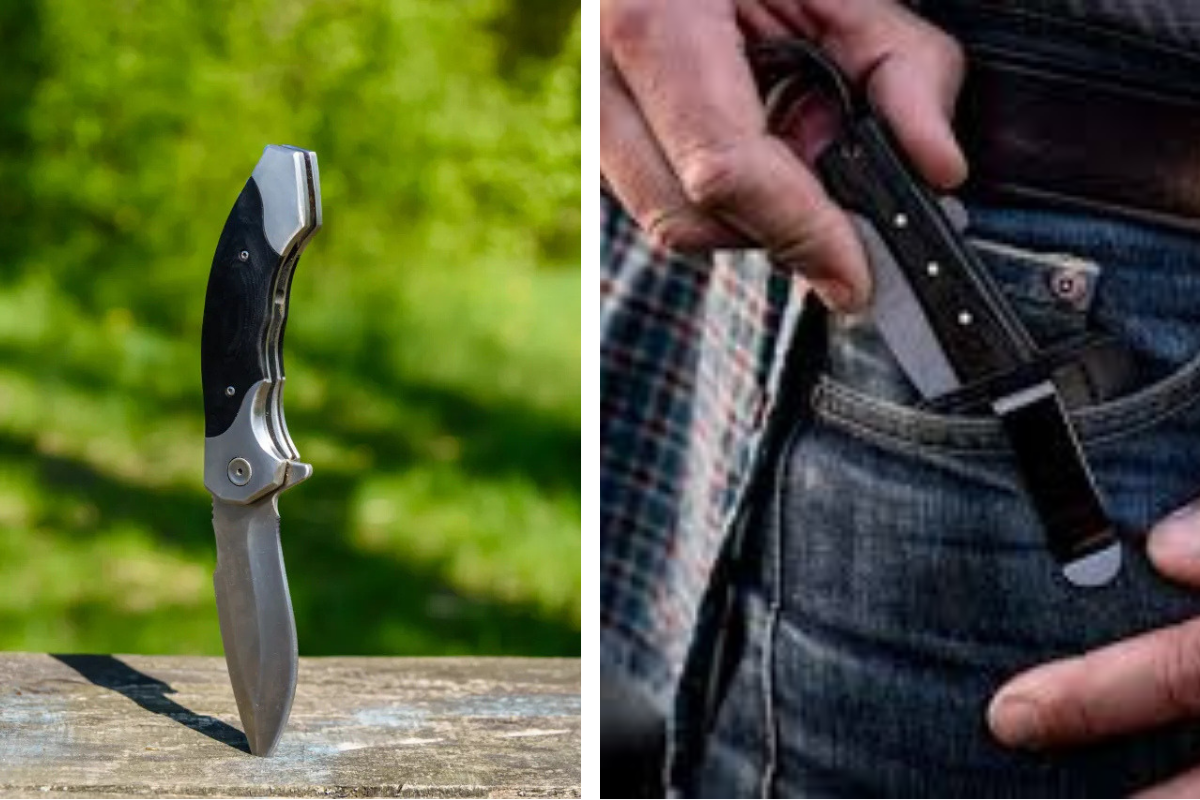
Wisconsin boasts some of the most permissive knife laws in the U.S., allowing adults to carry pocket knives openly or concealed without blade length limits or type restrictions since 2016 reforms. Act 149 removed knives from the “dangerous weapon” concealed carry category and repealed switchblade bans, with statewide preemption ensuring uniform rules.
Historical Reforms
Prior to 2016, Wisconsin restricted switchblades, balisongs, and gravity knives under §941.24, treating many folders as illegal if assisted-opening. The 2015 Assembly Bill 142 (Act 149) overhauled this, legalizing all knives for everyday adults regardless of mechanism, lock, or size.
State preemption (§66.0409) nullified stricter local ordinances, like Milwaukee’s old 3-inch blade rule, creating consistency across cities, counties, and towns. Knives now fall under general tools, not weapons, unless intent proves otherwise.
Permitted Knives and Carry Rules
Pocket knives, switchblades, butterfly (balisongs), bowie, ballistic, and hidden types are all legal to own, buy, sell, and carry openly or concealed. No blade length cap exists—carry a 12-inch folder if desired.
Concealed carry (§941.23) no longer targets knives; slip a slip-joint in your pocket freely. Open carry on belt or visible works too. Adults 18+ face no permit hurdles for non-prohibited persons.
Intent matters: Brandishing with malice turns any knife into a “dangerous weapon” (§939.22(10)), risking charges regardless of type.
Prohibited Persons and Minors
Felons, those under §941.29 firearm bans (domestic violence, mental health commitments, restraining orders), cannot conceal “dangerous weapon” knives (§941.231)—a Class A misdemeanor (9 months jail, $10,000 fine). Simple folders may skirt if not deemed dangerous.
Minors under 18 cannot possess or receive “dangerous weapons” (§948.60); transferring to them is illegal. Everyday pocket knives often qualify as non-dangerous for youth utility use, but caution advised.
Restricted Locations
Knives are banned on K-12 school grounds (§948.61)—felony potential. Courthouses, posted government buildings, and secure areas prohibit them. No statewide bar on bars, churches, or events unless signed.
Penalties and Enforcement
Violations for prohibited persons: Class A misdemeanor. School possession: misdemeanor or felony based on intent. Reckless use escalates to assault with weapon charges, up to 6 years prison for great bodily harm.
Enforcement focuses on context—routine carry draws no ire. Dashcams or witnesses help in disputes; uniformed carry rarely issues unless prohibited status known.
Practical Advice for Carriers
Choose reputable brands; maintain sharpness for utility, not threat. Holster openly if concerned about perception. Check prohibited status via courts if applicable.
For travelers: Wisconsin reciprocity aids, but respect host states. Hunters/fishers: Blades legal in fields, but clean game per regs.
Sources:
- (https://www.couteaux-morta.com/en/wisconsin-knife-laws/)
- (https://milwaukee-criminal-lawyer.com/wisconsin-knife-laws-2023/)
- (https://www.pickawaycultivator.com/2025/03/16/understanding-the-legal-landscape-of-pocket-knives-in-wisconsin/)