Using a dash camera in Wisconsin is a common practice for many drivers, providing a sense of security and valuable evidence in the event of an accident. While these devices are fully legal, understanding the state’s specific mounting and recording requirements is essential to remain in compliance with traffic regulations.
Mounting Requirements and Windshield Safety
Wisconsin law prioritizes driver visibility above all else, which heavily dictates where you can place a dash camera. The primary rule is that the device must not obstruct the driver’s view of the road in any way.
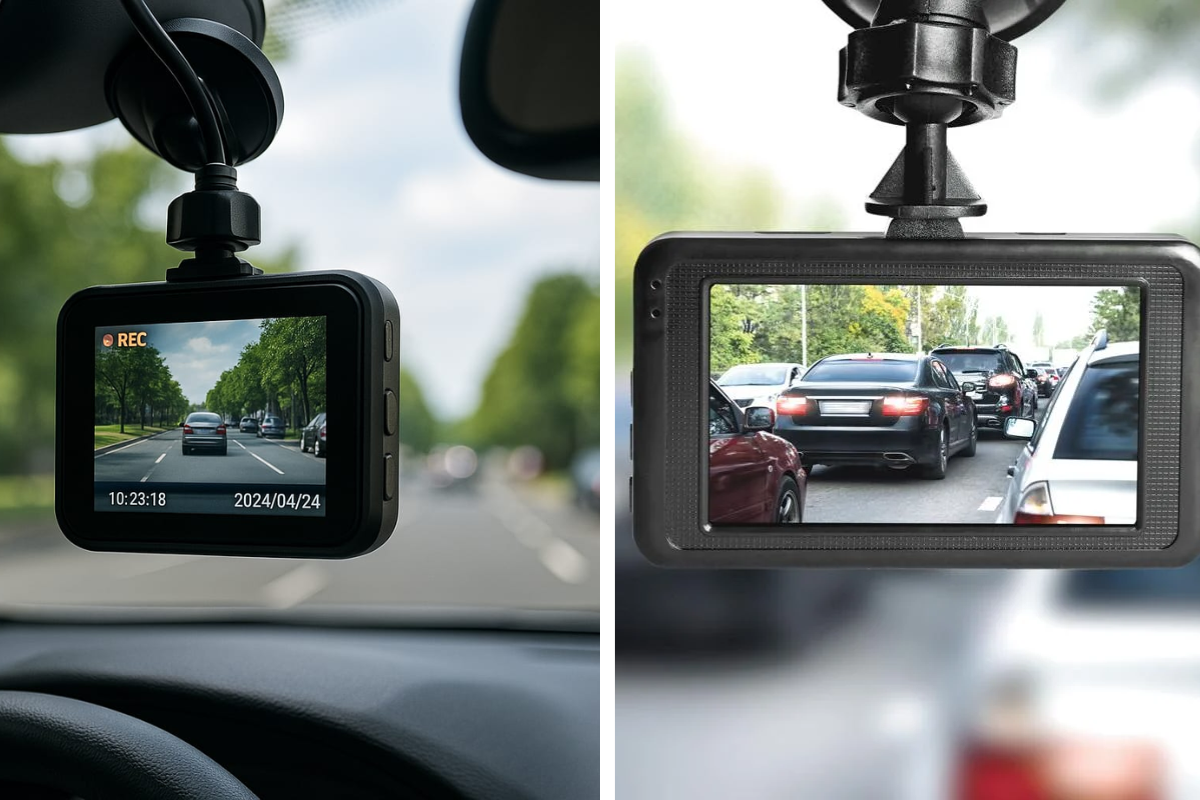
To comply with state requirements, the most common and legally accepted location for a windshield-mounted camera is directly behind the rearview mirror. By placing it in this position, you minimize the footprint of the device within your field of vision.
Furthermore, there is a technical restriction regarding windshield wipers; the camera should ideally be positioned outside of the area swept by the windshield wipers to ensure that the device does not interfere with the clearing mechanism or your line of sight during inclement weather.
Many legal experts and authorities suggest that the safest way to ensure full compliance with Wisconsin law is to mount the device on the dashboard rather than the windshield. A dashboard mount avoids the complexities of windshield restrictions entirely while still providing an unobstructed view of the road ahead.
Audio Recording and Legal Consent
Beyond physical placement, drivers must also be mindful of the laws surrounding audio recording within their vehicles. Wisconsin is a “one-party consent” state. This means that for a recording to be legal, at least one person involved in the conversation—the driver, in most cases—must be aware that they are being recorded.
Because you are typically the one operating and recording from your own vehicle, you are generally considered the consenting party for audio captured inside the car. However, if you plan to record conversations involving passengers or other individuals, it is important to be aware of these statutes to protect your privacy and adhere to state recording laws.
If your dash cam is solely recording the road ahead, these concerns are significantly reduced, but it is wise to disable audio recording features if you have any concerns regarding the privacy of your passengers.
Admissibility of Footage
In the unfortunate event of a car accident, dash cam footage can serve as crucial evidence to support your insurance claim or legal case. Courts in Wisconsin generally find dash cam footage to be admissible as evidence, provided that the recording was obtained legally.
This means that as long as your camera was installed in a manner that does not violate traffic laws—specifically regarding the obstruction of your view—the video generated can be a powerful tool for establishing facts after a collision.
Providing clear, objective video of an incident can often expedite the claims process and help clear up disputes regarding fault. Ultimately, while compliance is vital, the utility of a dash cam as a safety and evidentiary tool makes it a worthwhile investment for responsible Wisconsin drivers.
SOURCES :
- https://www.mysclaw.com/can-i-use-dash-cam-footage-for-my-wisconsin-car-accident-case/
- https://www.gpsinsight.com/blog/driver-facing-dash-cams-law/