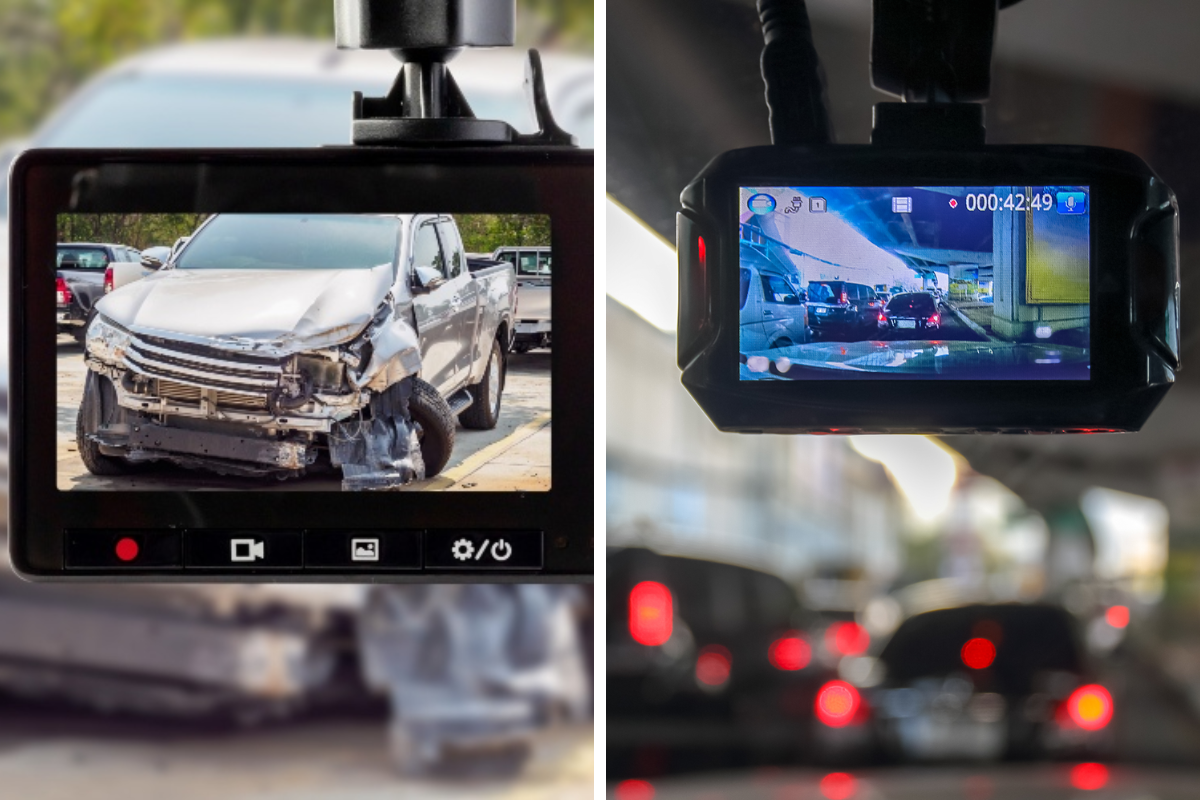
Texas permits dash cams but regulates their use to ensure road safety. Key rules focus on visibility and audio consent rather than outright bans.
Legality Overview
Dash cams are legal for personal and commercial vehicles in Texas. No state law specifically mandates or prohibits them, but they must comply with general vehicle safety standards.
Texas Transportation Code § 547.613 prohibits any object that obstructs the driver’s view through the windshield, side, or rear windows. Proper placement avoids citations.
Courts often admit dash cam footage as evidence in accidents or disputes, provided it was obtained legally. Single-party audio consent applies statewide.
Mounting Rules
Mount dash cams where they do not block vision or interfere with airbags. Recommended spots include behind the rearview mirror or the dashboard’s lower corners.
Windshield mounting is allowed if unobtrusive—typically low on the passenger side or hidden by the mirror. Avoid screens visible to the driver, as they qualify as distractions under § 545.414.
Commercial vehicles follow the same guidelines, with added employer policies possible. Inspect regularly for secure fit during airbag deployment.
Audio Recording Guidelines
Texas follows one-party consent for audio: recording is legal if the operator (you) consents, even without notifying passengers. This covers conversations inside the vehicle.
Two-party consent states differ, but Texas drivers face no such restriction. Inform passengers optionally to build trust, especially in rideshares.
Commercial vs. Personal Use
Personal use prioritizes discretion; fleets emphasize fleet-wide monitoring.
Enforcement and Tips
Officers cite based on observed obstructions during stops, not preemptively. A poorly placed cam could weaken your defense in accidents.
SOURCES :
- https://www.ddpai.com/blog/dash-cam-laws/
- https://www.simonpaschal.com/2023/09/12/use-of-dash-cams-in-work-vehicles-and-the-nlra/