Using a dash cam in Oregon is perfectly legal, but the state imposes strict regulations regarding how these devices are mounted and how they record audio. Understanding these rules is essential to ensure that your device provides you with protection rather than legal trouble.
Mounting Requirements and Visibility
The most important regulation to follow is avoiding any obstruction of your view. Under Oregon Revised Statute 815.220 and 815.270, it is illegal to operate a vehicle with any material on the windows that prevents or impairs the ability to see into or out of the vehicle.
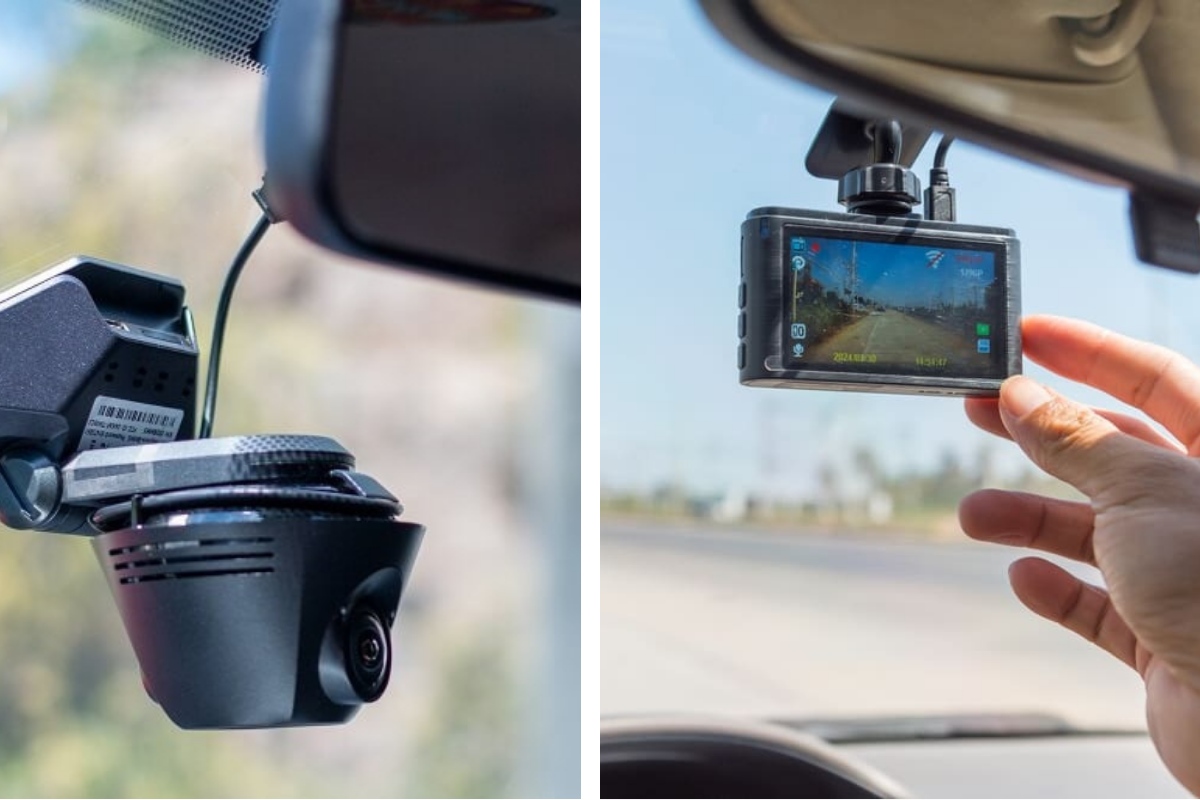
In practical terms, this means you cannot mount a dash cam in the center of your windshield or in any position that blocks your line of sight to traffic, pedestrians, or road signs. To comply, mount your dash cam discreetly.
The most widely accepted locations are in the lower corner of the passenger-side windshield or tucked behind the rearview mirror, provided the device is compact and does not extend into your field of vision. A violation of these statutes can result in a traffic citation, so it is safer to prioritize a mounting location that keeps your view completely clear.
Audio Recording and Consent Laws
While Oregon permits video recording, the state is much stricter regarding audio. Oregon follows an “all-party consent” rule under Oregon Revised Statute 165.540, meaning it is illegal to record a conversation—including those inside your own vehicle—without the consent of everyone involved.
This means if you have passengers, you cannot legally record their conversations unless everyone in the vehicle is aware of the recording and agrees to it. Because this rule can be difficult to manage with casual conversations, many experts recommend disabling the audio recording feature on your dash cam entirely. If you choose to keep it active, you must inform all passengers that they are being recorded. Failing to comply with these rules can lead to both civil liability and potential criminal charges, making audio a high-risk feature for the average driver.
Admissibility in Court
When collected lawfully, dash cam footage is a powerful piece of evidence in Oregon court proceedings. Judges may review clear, relevant video to help determine fault in car accidents, verify driver statements, or assist law enforcement with crime investigations.
However, the admissibility of your footage depends on how it was obtained. If the footage was recorded in violation of the state’s consent laws—such as an audio recording of a private conversation without the required agreement—a judge may rule the entire clip inadmissible.
Furthermore, if the camera was mounted in a way that violated state visibility laws, the court might question the reliability of the recording. To ensure your footage stands up in court, always maintain compliance with both mounting and consent regulations.
Summary for Responsible Use
To enjoy the benefits of a dash cam in Oregon while remaining compliant with the law:
- Mount discreetly: Choose a spot out of your line of sight, like the bottom corner of the passenger-side windshield or behind the rearview mirror.
- Manage audio carefully: Disable the microphone if you frequently carry passengers, or ensure everyone is informed if you intend to record.
- Check your settings: Review your device settings to confirm that audio recording is not enabled by default.
By taking these proactive steps, you can use your dash cam as a valuable tool for documentation and security without violating Oregon’s specific privacy and visibility statutes.
Sources
- (https://www.paulsoncoletti.com/oregon-dash-cam-laws/)
- (https://jjkellercompliancenetwork.com/regsense/dashboard-cameras-oregon)
- (https://legalclarity.org/oregon-dash-cam-laws-mounting-and-recording-rules/)