Dash cams are legal to use in Oklahoma, but state law imposes specific rules on where and how they are mounted, and how their recordings can be used, especially in court.
Are Dash Cams Legal in Oklahoma?
Oklahoma does not ban dash cams; in fact, traffic‑accident lawyers and insurers often encourage them as evidence‑gathering tools.
However, under Oklahoma Statute §47‑12‑404(C), you may not drive with any opaque “sign, poster, or other nontransparent material” on the front windshield, side wings, or side or rear windows if it blocks your unobstructed view of the road or intersections.
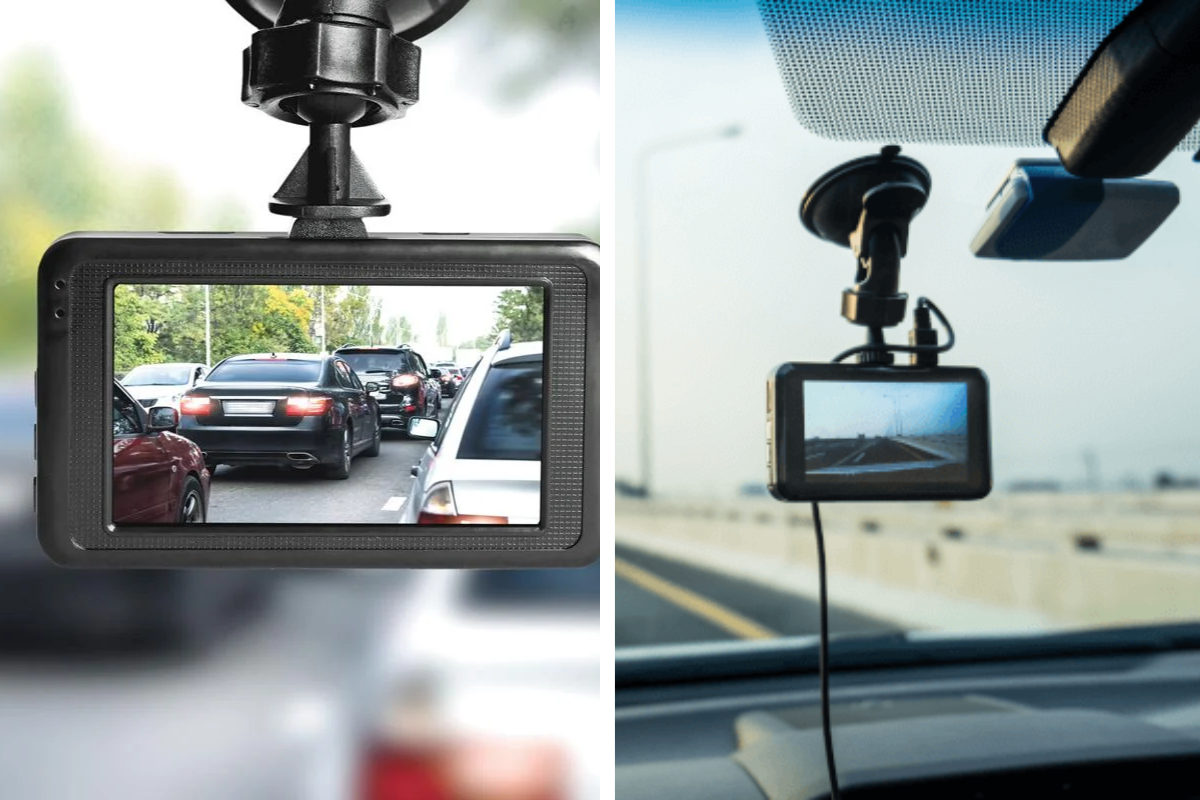
This means a dash cam is generally allowed only if it is mounted on the dashboard in a way that does not cover or impair the driver’s field of vision. Mounting a unit directly on the driver‑side windshield can give police probable cause to pull you over and cite you for obstructed view, even if the camera itself is legal.
Mounting and Placement Rules
To comply with Oklahoma law, most drivers install dash cams low on the dashboard, near the center or center‑right of the windshield, so the lens faces the road without intercepting the line of sight.
You should also avoid blocking headlights, turn signals, or any part of the rear‑view mirror, since these can also run afoul of obstructed‑view rules.
Oklahoma does not specify a maximum size for dash‑cam brackets, so the key compliance factor is whether the device or its mount creates any noticeable visual obstruction. If the camera is placed so that the driver’s view remains unobstructed, courts and law‑enforcement sources generally treat it as lawful.
Audio Recording and Privacy Rules
Oklahoma is a “one‑party consent” state for electronic recording, meaning that as long as one participant to the conversation consents (here, you while driving), audio recording in your own vehicle is generally allowed.
That makes dash‑cam audio usually legal when it captures what happens inside your car or on public roads, provided you are the one recording it.
However, Oklahoma courts still require that dash‑cam evidence be relevant and properly authenticated before being admitted. For example, a judge may ask the owner or driver to testify that the camera was working, that timestamps are accurate, and that the footage has not been edited, so it can count as legally admissible evidence in an accident case.
Using Dash‑Cam Footage in Court
In Oklahoma car‑accident cases, dash‑cam video is often admissible if it shows who caused the crash, whether traffic laws were broken, or how vehicles moved before and after impact.
However, if the camera was mounted in a way that violates §47‑12‑404(C), an opposing party or judge might argue that the recording was obtained in violation of the law, which can weaken, though not always bar, its use.
In practical terms, using a dash cam in Oklahoma is legally safe if you:
- Mount it on the dashboard, not the windshield.
- Ensure it does not block your view or interfere with airbag‑related areas.
- Keep recordings accurate and be prepared to authenticate them if an accident or legal dispute arises.
SOURCES :
- https://gravesmclain.com/car-accidents/dashcam-evidence-oklahoma/
- https://www.okinjuryguy.com/blog/should-you-have-a-dashcam