Dash cams have become essential tools for drivers in North Carolina, offering clear evidence in accidents and disputes. While the state lacks specific statutes regulating their use, general safety and privacy rules apply to ensure legal compliance.
Legality of Dash Cams
Dash cams are fully legal for personal use throughout North Carolina, with no statewide bans or restrictions on ownership or operation. Drivers can install them without permits, but they must prioritize road safety. North Carolina follows a practical approach, emphasizing functionality over rigid mandates, unlike states with strict mounting laws.
Mounting and Placement Rules
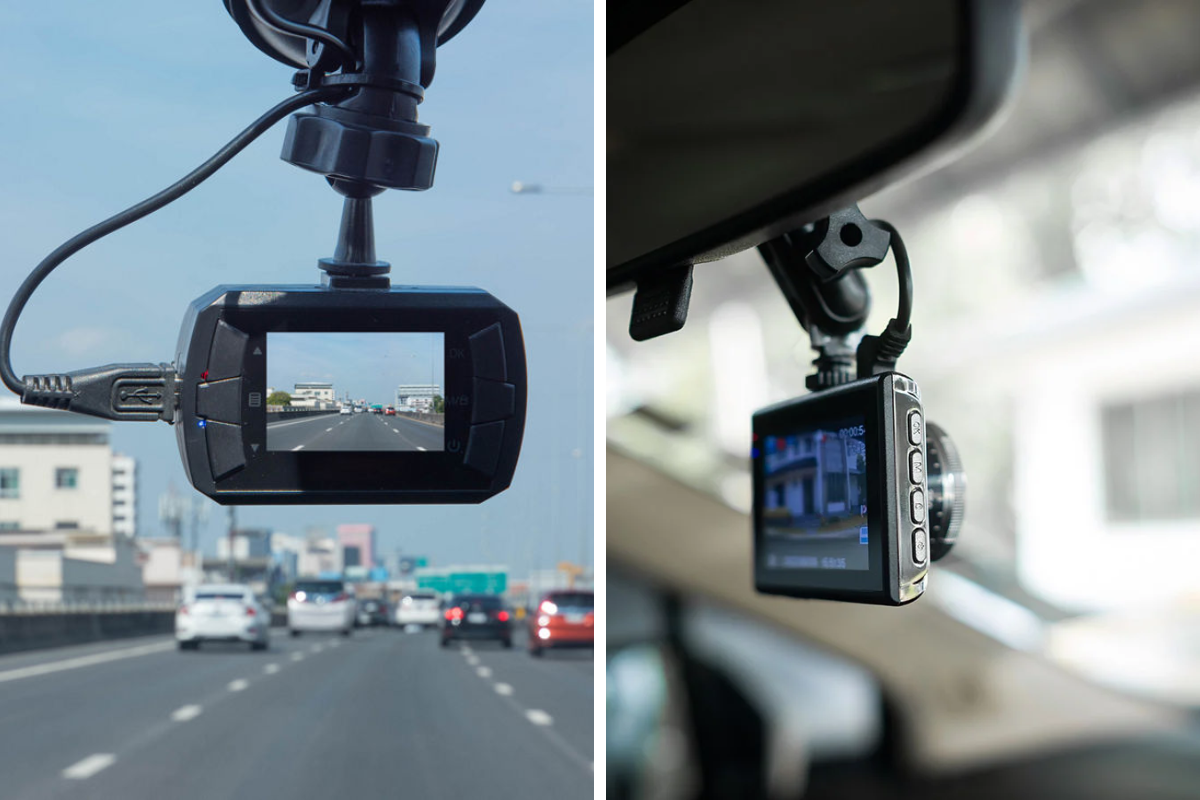
No explicit laws dictate dash cam placement, but devices cannot obstruct the driver’s view or interfere with airbag deployment. Common recommendations include positioning behind the rearview mirror or on the dashboard to maintain a clear windshield. Courts may deem improper installations a violation if they contribute to accidents, potentially leading to tickets or liability.
Audio Recording Consent
North Carolina operates as a one-party consent state for audio recordings. You can legally capture conversations you’re part of without notifying others, making most dash cam audio admissible. However, recordings of third-party discussions (not involving you) may face admissibility challenges. To avoid issues, consider disabling audio or posting notices for passengers.
Use as Court Evidence
Dash cam footage serves as powerful evidence in car accident claims, provided it meets authentication standards under North Carolina’s Rules of Evidence. Owners must testify that the video accurately depicts events, is unaltered, and comes from a functioning device. Police can seize cams during investigations, and footage may support or undermine your case depending on content.
Privacy and Public Recording
Video in public spaces is permissible since there’s no expectation of privacy on roads. Private property recordings require caution—obtain permission to avoid trespass claims. Dash cams should not film inside homes or businesses excessively, respecting reasonable privacy bounds.
Best Practices for Drivers
Select cams with loop recording to overwrite old files automatically, preserving critical footage. Mount securely to withstand vibrations, and test regularly for functionality. After incidents, save clips immediately and share with insurers or attorneys without editing. Inform passengers of recording via signage to build trust, even if not required.
Law Enforcement Dash Cams
Separate rules govern police dashboard cameras under N.C. Gen. Stat. § 132-1.4A, focusing on public access to recordings of officer-public interactions. Civilians cannot access these without requests, but they complement personal footage in disputes.
Potential Risks and Penalties
Obstructing visibility with a dash cam risks citations under general distracted driving laws. Faulty footage could harm your claim if it reveals violations like speeding. Always comply with traffic laws, as cams record bidirectionally.
In summary, North Carolina’s flexible regulations make dash cams valuable for safety and liability protection. Adhering to safety and consent guidelines maximizes their benefits while minimizing risks.
SOURCES :
- https://www.carolinaaccidentattorneys.com/auto-claims/can-you-use-dash-cam-footage-as-evidence-in-north-carolina/
- https://www.ddpai.com/ph/blog-ph/dash-cam-laws/