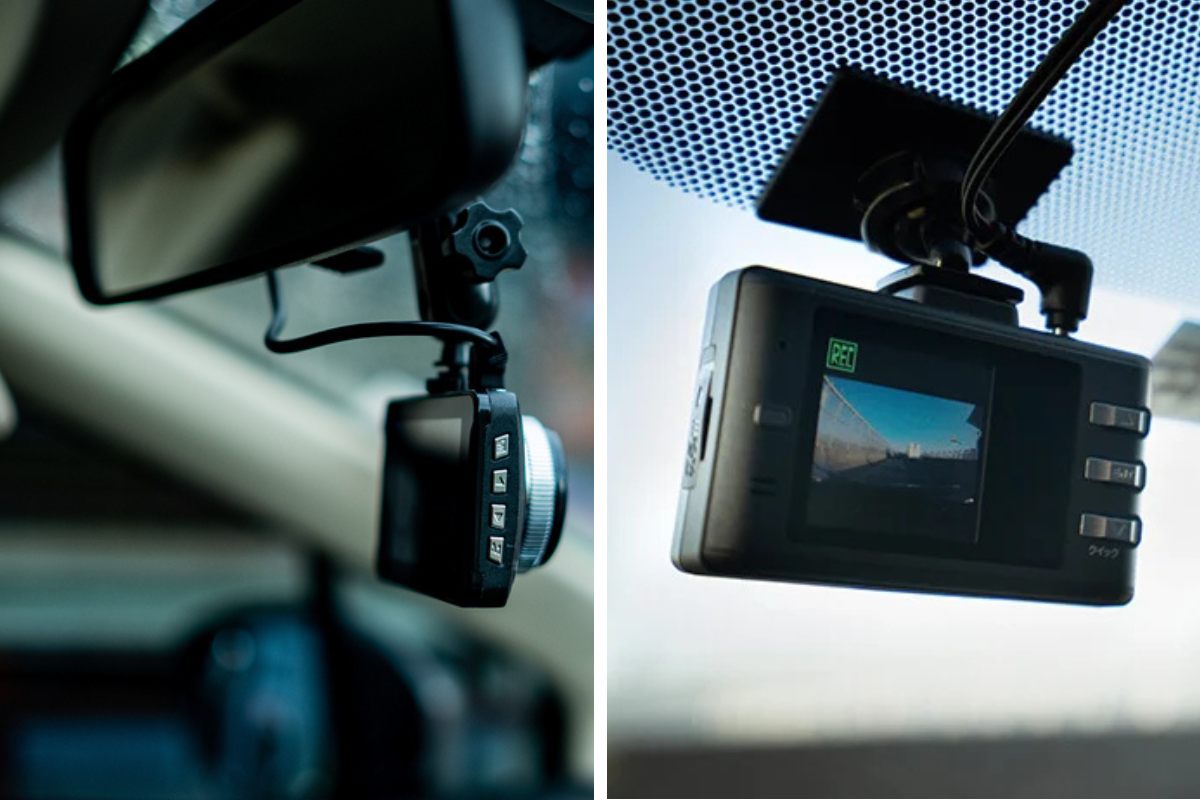
Dash cams are fully legal in Minnesota, with specific mounting rules to prevent obstructing the driver’s view. They must be positioned immediately behind, slightly above, or slightly below the rearview mirror—no dashboard placement allowed. Audio recording follows single-party consent, making footage valuable for insurance or court evidence.
Mounting Requirements
Minnesota Statute §169.71 limits windshield obstructions to small areas, requiring dash cams near the rearview mirror without impairing visibility. Improper mounts risk citations for distracted driving or safety violations, with fines up to $300; evidence from non-compliant cams may be inadmissible. Suction cups or adhesives work, but ensure stability and minimal protrusion.
Audio Recording Rules
As a single-party consent state, you can record audio inside your vehicle without notifying passengers, ideal for rideshares like Lyft. Public road interactions, including police stops, are fair game for video and audio. Private property or non-public settings may require all-party consent to avoid wiretap violations.
Privacy Considerations
No expectation of privacy on public roads means dash cam footage generally holds up in court for accidents or disputes. For commercial vehicles (taxis, trucks), employers must disclose cameras and outline footage policies. Sharing videos online risks defamation if misrepresented; anonymize faces if possible.
Police and Traffic Stops
Recording officers during stops is protected, but inform them politely if asked, and avoid interference. Law enforcement dash cams activate automatically per §626.9517, setting a compliance example. Footage aids defenses in disputes.
Commercial and Rideshare Use
Rideshare drivers display cams prominently; audio is legal without consent per single-party rule. Fleet vehicles follow similar mounts, with added disclosure mandates.
Penalties for Violations
Mounting infractions are petty misdemeanors ($50-$300 fines); privacy breaches could lead to civil suits or misdemeanor charges (up to 90 days jail, $1,000 fine). No bans on dash cams exist, but obstruction tickets are common pitfalls.
SOURCES:
- https://www.ddpai.com/blog/dash-cam-laws/
- https://www.knowyourrights.com/blog/how-dashcams-can-help-in-a-car-accident/