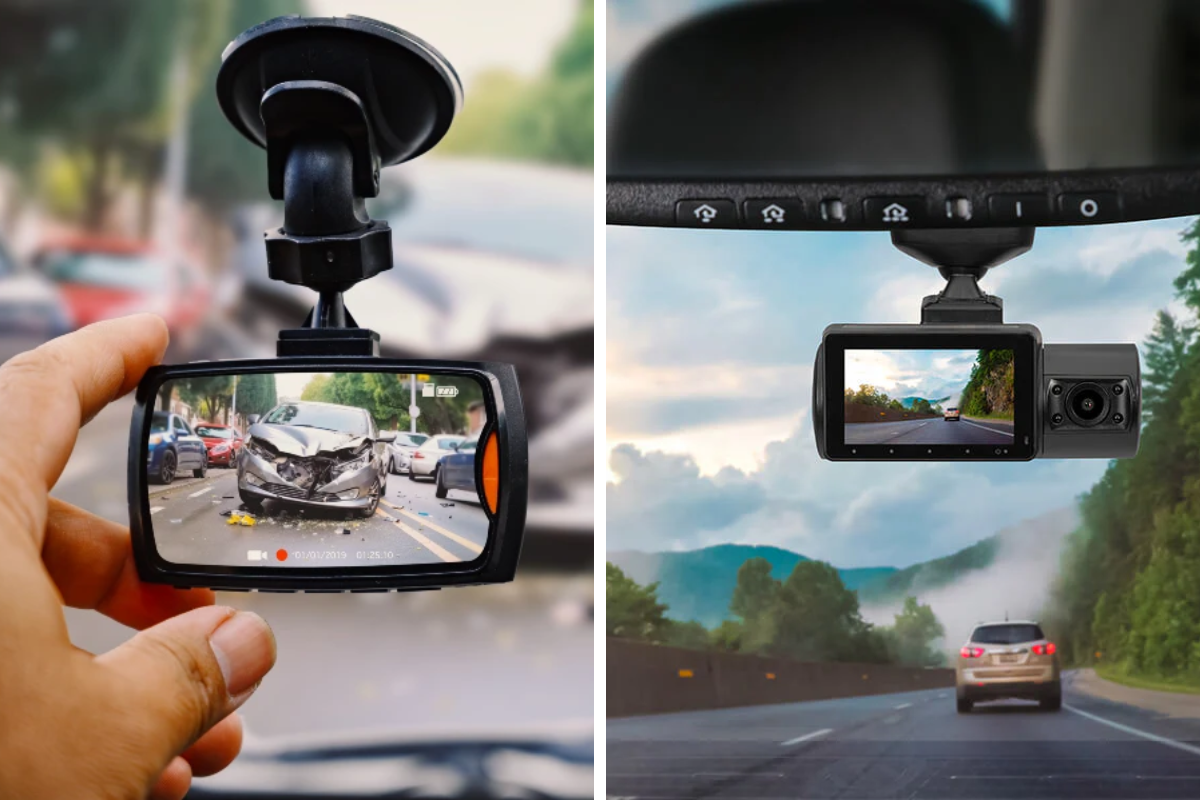
Dash cams are legal in Georgia as long as they do not obstruct the driver’s view of the road. Georgia follows a one-party consent rule for audio recordings, meaning the driver’s awareness suffices for in-car use.
Legal Status of Dash Cams
Georgia Code § 40-8-73 prohibits objects on the windshield that block visibility, applying directly to dash cams. Mounting behind the rearview mirror or on the dashboard complies with this rule.
No state ban exists on dash cams; all 50 states permit them with placement restrictions. Police use is regulated separately as evidence property.
Mounting Requirements
Devices must not impair clear road view or distract the driver. Common placements minimize risks: rearview mirror area or dashboard center.
Improper mounting can lead to citations or evidence challenges in court. Secure the cam to prevent detachment during motion.
Audio Recording Rules
Georgia is a one-party consent state under Ga. Code §§ 16-11-62(1), 16-11-66, allowing recording if the driver consents. Video in public roads requires no consent due to no privacy expectation.
Inform passengers of audio to avoid disputes, though not legally required. Disable audio if concerns arise; many cams allow toggling.
Use in Accidents and Court
Footage proves fault, captures hit-and-runs, and aids insurance claims if authentic and unedited. Courts admit it as relevant evidence if it meets quality standards like HD resolution and full event capture.
It can harm claims if showing driver fault under Georgia’s comparative negligence. Insurers and police request originals promptly.
Regulations Table
| Aspect | Rule in Georgia |
|---|---|
| Video Recording | Legal; no consent needed in public. |
| Audio Recording | One-party consent (driver suffices). |
| Mounting Location | Behind mirror/dashboard; no windshield obstruction. |
| Court Admissibility | Yes, if authentic and relevant. |
| Commercial Vehicles | Same rules; check employer policies. |
Best Practices
Test placement for zero obstruction before regular use. Back up footage securely and note timestamps. Consult local ordinances for updates, as no major 2026 changes noted.
Drivers benefit from objective records while upholding safety and privacy.
SOURCES :
- https://www.mas.law/blog/2025/december/dashcam-laws-in-georgia-what-you-need-to-know-be/
- https://gautreauxlawfirm.com/is-dash-cam-footage-admissible-in-court/