Dash cams are legal to use in Florida vehicles, but strict rules govern their placement, audio recording, and use to ensure safety and privacy compliance. Understanding these regulations helps drivers avoid tickets, evidence issues, or privacy lawsuits.
Legal Status of Dash Cams
Florida permits dash cams in private cars, trucks, and motorcycles without needing a special permit or license. Video recording of public roads and traffic is unrestricted since there is no expectation of privacy in those areas.
However, the state enforces limits to prevent distractions or obstructions, mainly under Florida Statute § 316.2004, which bans objects that materially block the driver’s view through the windshield, side, or rear windows.
Placement and Installation Rules
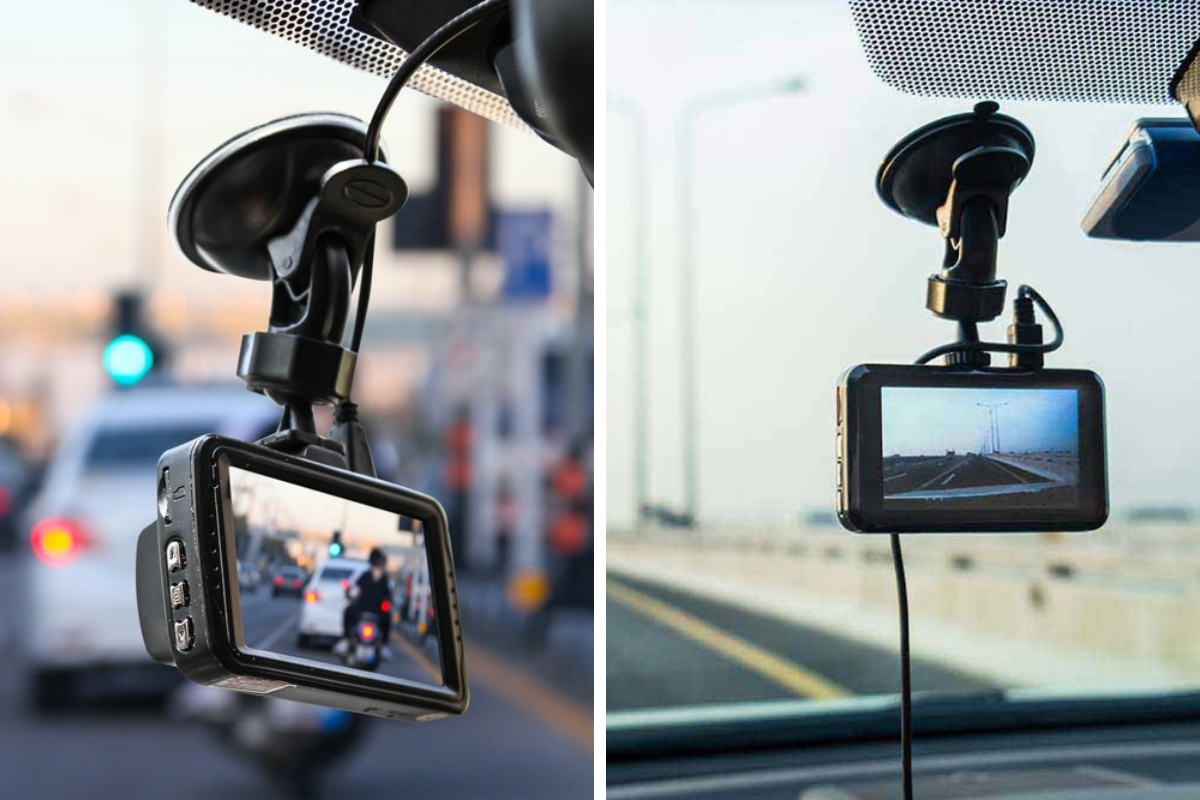
Dash cams must not obstruct the driver’s clear view of the road in any direction. Common legal spots include behind the rearview mirror (center windshield top), on the dashboard, or lower rear window areas.
Officers can ticket for violations if the camera covers too much glass or hangs low; fines start around $60–$100 for first offenses, escalating with repeats. Commercial vehicles may face extra federal DOT rules on window tinting and mounts.
Audio Recording Restrictions
Florida is a two-party consent state for audio under Florida Statute § 934.03, so dash cams capturing private conversations inside the vehicle require all passengers’ permission before recording sound.
Public-facing video (roads, other drivers) needs no consent, but turn off audio or notify riders to stay legal. Violating this can lead to misdemeanor charges, civil suits, or inadmissible evidence in court.
Using Footage in Court or Claims
Dash cam video is admissible as evidence in accidents, insurance disputes, or criminal cases if it is relevant, authentic (time-stamped, unaltered), and legally obtained. Preserve raw files for at least 180 days post-incident and disclose them promptly to avoid spoliation claims.
Footage has proven invaluable for proving fault, hit-and-runs, or police interactions when compliant with privacy rules.
Best Practices Table
Enforcement and Tips
Tickets for improper placement are common during stops, but rarely lead to arrests unless tied to reckless driving. Opt for slim, low-profile models and test visibility before roads. No statewide changes as of 2026, but check local ordinances in cities like Miami or Tampa for extras. Prioritize safety—dash cams protect more when installed right.
SOURCES :
- https://beersandgordonlaw.com/are-dash-cams-legal/
- https://www.ftlinjurylaw.com/blog/florida-dash-cam-laws/