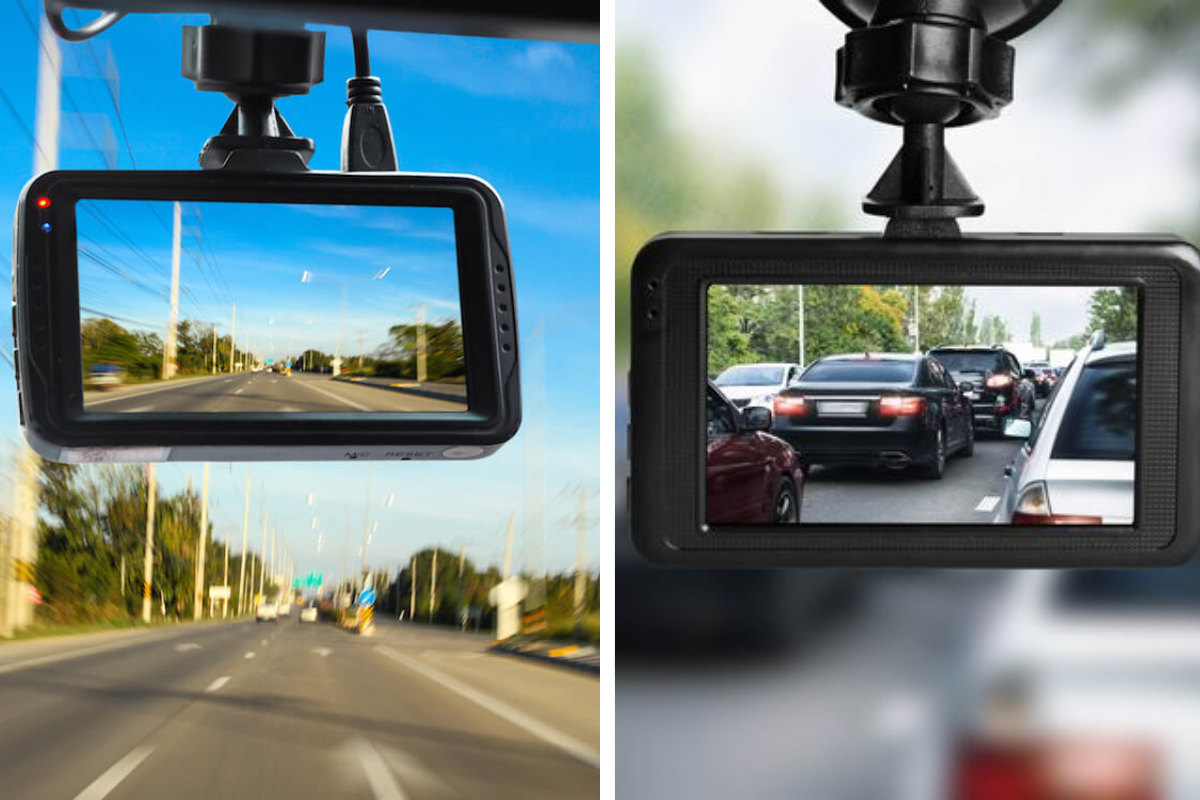
Dash cams are legal in Connecticut but must not obstruct the driver’s view. Key rules focus on mounting, windshield tint, and audio recording consent.
Mounting Requirements
Connecticut prohibits nontransparent materials on windshields that impair visibility under §14-99g. Dash cams cannot block forward or side views—mount behind the rearview mirror or on the dashboard.
No size limits exist, but secure attachment prevents hazards. Screens visible while driving may distract, so disable or position discreetly.
Audio and Privacy Rules
Connecticut requires all-party consent for audio recordings in private settings, per wiretapping laws (§53a-187 et seq.). Inform passengers or disable audio to avoid misdemeanor charges (up to 1 year jail, $2,000 fine).
Video-only is unrestricted. Footage from public roads holds no privacy expectation, aiding insurance claims or court evidence.
Comparison of Placement Options
Police and Commercial Use
Law enforcement must use dash cams in patrol vehicles (§29-6d), with strict data handling—no editing or sharing without cause.
Fleet operators face no extra rules beyond civilian ones. Commercial vehicles follow federal DOT visibility standards.
Enforcement and Tips
Violations yield tickets for obstructed view (fine ~$100+). Courts admit legal footage in accidents.
Tips: Use suction mounts, add “Records audio” stickers, loop footage securely. Check for updates, as no statewide preemption affects local ordinances.
SOURCES :
- https://www.ddpai.com/blog/dash-cam-laws/
- https://matrackinc.com/dash-cam-laws-by-states/