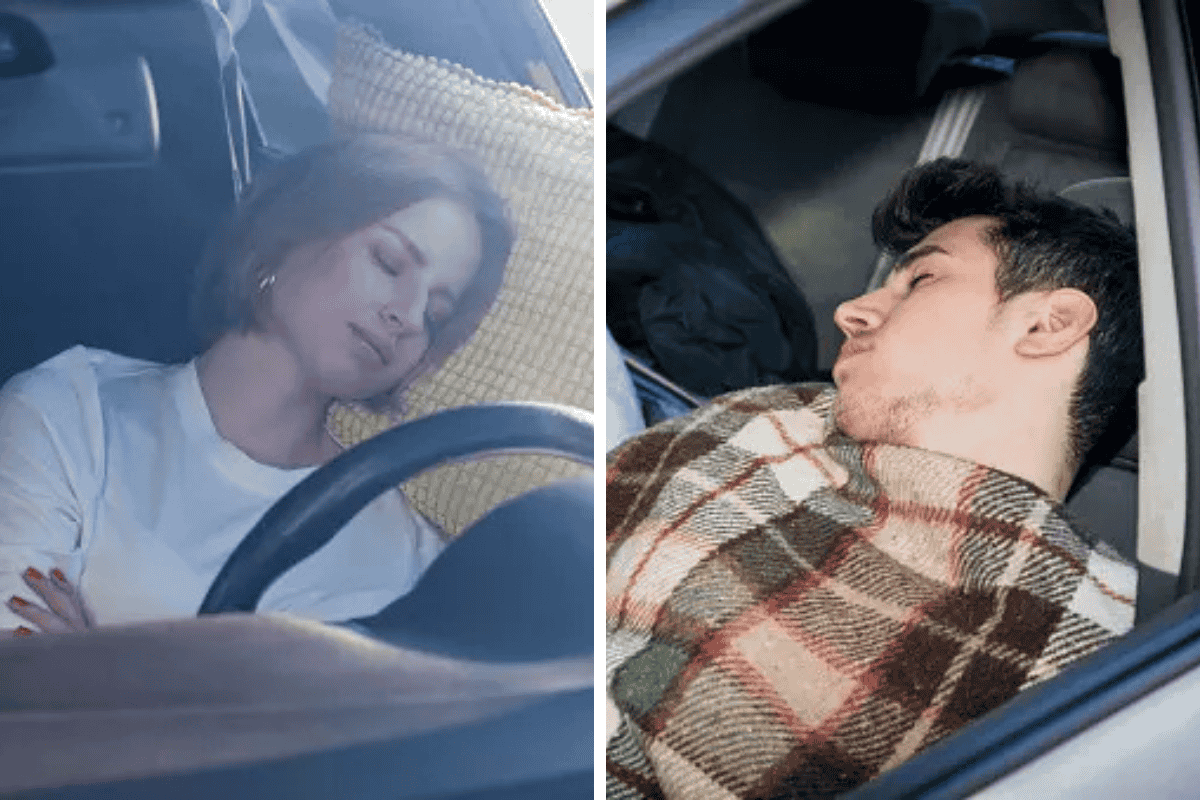
Sleeping in your car in North Carolina isn’t outright illegal statewide, but it’s heavily regulated by local ordinances, property rules, and parking restrictions that can lead to fines, towing, or arrest for violations.
Travelers, van-lifers, and those facing housing challenges must navigate a patchwork of city, county, and private rules to avoid trouble in 2026. This guide covers the legal landscape, safe spots, risks, and practical tips for U.S. residents.
Statewide Legal Framework
North Carolina lacks a blanket ban on car sleeping, unlike states such as California with explicit anti-camping laws. Instead, it falls under general statutes on public nuisance (N.C. Gen. Stat. § 14-190.1), trespassing (§ 14-159.13), and disorderly conduct. Key principle: You can sleep if parked legally and not creating a disturbance—no open flames, tents, or littering.
Highway rest areas prohibit “overnight parking” via NCDOT signs, but allow short-term rest (e.g., arriving at night, leaving by morning) since they’re open 24/7. No maximum stay is enforced, but patrols discourage multi-day stays.
Local Ordinances by City
Cities enforce strict rules, often banning vehicle habitation on public streets:
- Raleigh: No parking overnight (9 PM–6 AM) in many downtown areas; residential zones prohibit street sleeping as “nuisance.” Fines start at $50.
- Charlotte: Similar bans in commercial districts; airport lots tow after 2 hours.
- Asheville: Illegal on public streets 10 PM–6 AM; treated as loitering amid homelessness crackdowns.
- Beach towns (Outer Banks, Wilmington): Nags Head allows designated lots with permits; Wrightsville Beach bans after 10 PM ($100+ fines).
- Carrboro/Chapel Hill: Public lots close at 3 AM; towing enforced.
Always search “[city name] overnight parking ordinance” or call non-emergency police.
Allowed Locations
Safe(ish) spots exist with caveats:
Private businesses like Cracker Barrel or casinos often tolerate discreet overnights—call ahead.
Prohibited and Risky Areas
Avoid these to prevent issues:
- Residential streets: Many HOAs and cities ban via signage.
- Public parks/beaches: Day-use only; rangers ticket after dusk.
- Private lots (gas stations, apartments): Trespassing risks towing ($150–$400).
- Highway shoulders/emergency lanes: Illegal statewide (§ 20-161).
In tourist-heavy spots like Kill Devil Hills, “No Overnight” signs mean $250 fines.
Enforcement and Penalties
Officers prioritize public safety—quiet, seatbelted sleepers rarely get hassled. Violations trigger:
- Parking ticket: $25–$100.
- Towing: $150+ plus storage.
- Loitering/trespassing: Up to $500 fine, 30 days jail.
- Misdemeanor if intoxicated or blocking access.
2026 trends show increased patrols in urban areas amid housing crises; body cams document “safe parking” programs in pilot cities like Durham.
Step-by-Step Safe Parking Guide
- Scout ahead: Use iOverlander or AllStays apps for user reports.
- Arrive evening: Park post-dusk to minimize visibility.
- Stay discreet: Blackout covers, no exterior setup, engine off.
- Check signs: Obey “No Parking 2 AM–5 AM” explicitly.
- Move by morning: Leave before patrols (often 6–8 AM).
- Document: Note location, time; photo signs for disputes.
For beach parking, secure seasonal permits online.
Special Considerations
- Homelessness angle: No state anti-camping law like Florida’s, but cities use nuisance ordinances. Non-profits like Urban Ministry offer safe lots.
- RV/van life: Same rules; height limits apply in garages.
- Winter camping: Legal in forests; hypothermia risks high.
- Pets/kids: Extra scrutiny; ensure ventilation.
Federal lands (Croatan NF) provide havens, but no BLM in NC.
Safe Alternatives
- Campsites: KOA or state parks ($20–$50/night).
- Harbor freight lots: Surprisingly tolerant in suburbs.
- Church lots: Some host “safe parking” with bathrooms.
- Apps/hotlines: FreeCampsites.net; NC 211 for shelters.
Legal Defenses and Advocacy
If ticketed, contest via magistrate court—many dismiss on technicalities (e.g., no “camping” proven). Groups like the National Coalition for the Homeless challenge harsh laws. No 2026 changes ban car sleeping outright, but watch local bills.
Practical Tips for Comfort and Safety
- Ventilation: Crack windows with screens; use solar fans.
- Security: Motion alarms, hide valuables.
- Waste: Portable toilet; pack out trash.
- Power: Jackery batteries for lights/charging.
- Health: Rotate spots; showers at truck stops ($10).
North Carolina balances traveler needs with community standards—respect rules, and car sleeping remains viable. For 10 million residents and visitors, apps and courtesy keep roads open. Verify locally via town websites; this isn’t legal advice.
SOURCES:
- https://www.boondockersbible.com/learn/north-carolina-rest-area-rules/
- https://roadtripmotorhomes.co.uk/can-you-legally-sleep-in-your-car-in-north-carolina-rules-for-beach-and-roadside-rest-stops