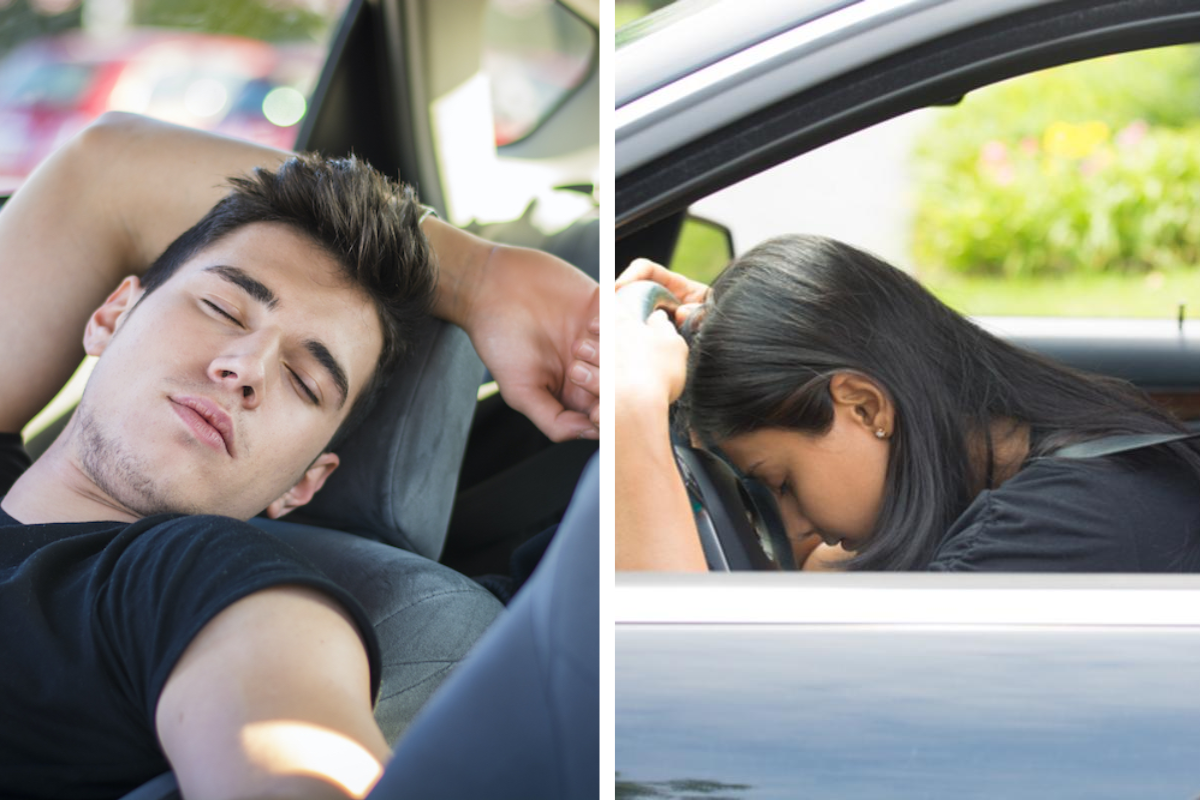
Sleeping in your car can be a practical solution for travelers, road trippers, or those facing temporary housing challenges in Kentucky.
However, state laws balance public safety, roadway use, and anti-camping measures, creating specific rules on where and how long you can rest in your vehicle.
Rest Areas: Safe for Short Naps
Kentucky rest areas allow vehicle sleeping to promote drowsy driving prevention. The Kentucky Transportation Cabinet (KYTC) permits stays up to four hours in any 24-hour period under 603 KAR 5:040, with no explicit ban on sleeping inside vehicles.
Expect enforcement if you exceed limits or unhitch trailers outside emergencies. Staff prioritize driver rest, so discreet napping is common and encouraged for safety.
Unlawful Camping Law Exceptions
House Bill 5, effective July 15, 2024, introduced KRS 511.110, criminalizing “unlawful camping” in undesignated public areas like streets or parks. A key exception permits temporary sleeping in a lawfully parked vehicle on public roads, streets, or lots for under 12 hours.
First offenses are violations with fines up to $250, escalating for repeats. This targets homelessness but spares brief vehicle rests, provided no “camp paraphernalia” like tents is used outside the car.
City and Local Restrictions
While no statewide ban exists, municipalities enforce parking ordinances. Louisville and Lexington often prohibit overnight street parking in residential zones, treating extended car sleeping as loitering or trespass.
Private lots (e.g., Walmart, 24-hour gyms) depend on owner policies—always seek permission to avoid towing. School zones and highways shoulders are off-limits universally.
Safety and Best Practices
Park legally with hazard lights on if stopping briefly; avoid engine idling to comply with emissions rules. Carry proof of insurance and registration, as police may check welfare during stops.
For longer rests, use apps like iOverlander for boondocking spots or campgrounds. Carbon monoxide detectors and cracked windows prevent health risks in enclosed vehicles.
Potential Penalties and Defenses
Violations range from warnings to misdemeanors: unlawful camping carries up to 90 days jail for refusals, plus towing fees. DUIs apply if alcohol is involved, even stationary.
Defend by showing temporary intent under 12 hours and lawful parking. Courts recognize rest-for-safety needs, but document location and time via photos.
Legal Alternatives for Overnight Stays
Opt for state parks ($20-40/night) or private campgrounds with vehicle hookups. Apps like Campendium list free rural spots compliant with laws.
Advocacy groups push for more rest options amid 2026 updates, but always verify local codes. Staying informed prevents fines while prioritizing safe travel.
SOURCES :
- https://www.yahoo.com/news/articles/legal-sleep-car-kentucky-rest-100313443.html
- https://teamjustice.com/is-it-illegal-to-sleep-in-your-car/