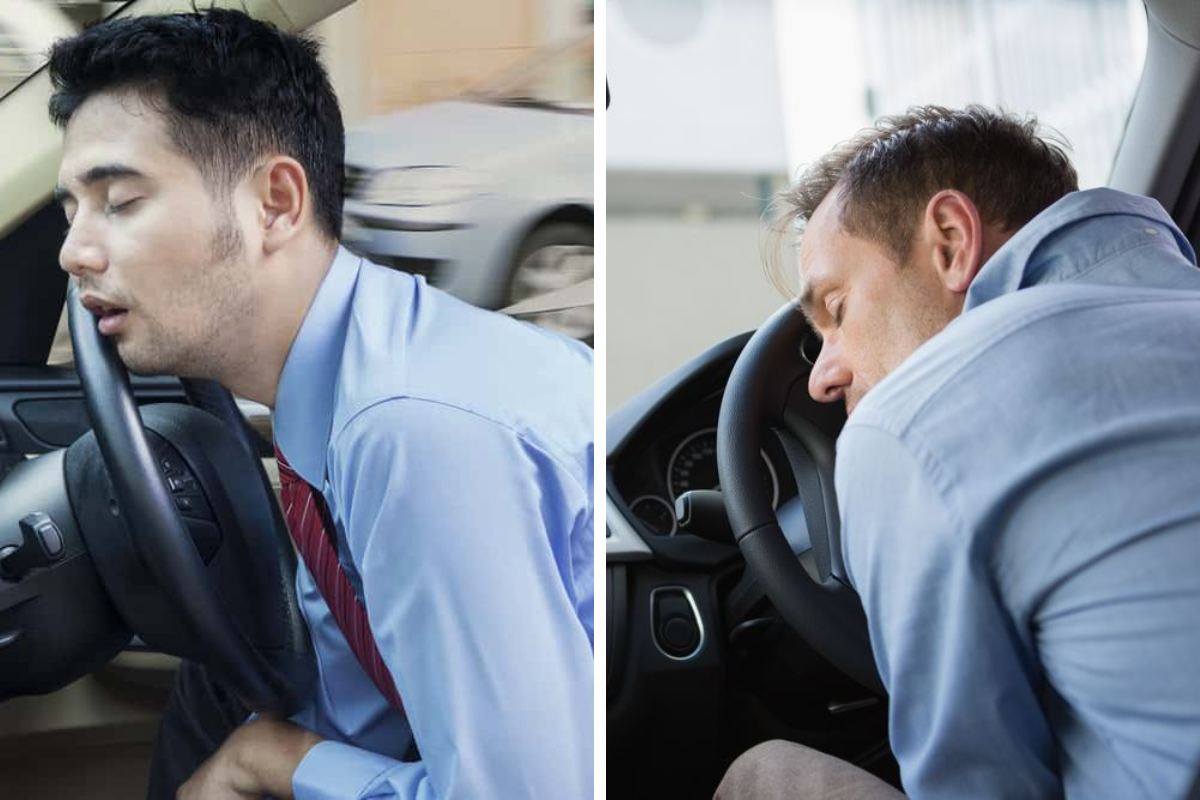
Illinois generally prohibits sleeping in vehicles on public streets and lots due to widespread local ordinances restricting overnight parking, though no statewide ban exists as of 2026.
These rules target public safety, street maintenance, and preventing homelessness visibility, with enforcement varying by city. Private property owners can also ban it, making alternatives like rest areas or campsites essential.
Statewide Legal Framework
Illinois lacks a uniform law explicitly outlawing car sleeping, deferring to municipal codes. The Vehicle Code (625 ILCS 5/) regulates parking but doesn’t address habitation directly.
Federal highways ban overnight stays in rest areas beyond short breaks, per IDOT guidelines. Challenges arise under loitering or public nuisance statutes if waste or fires occur.
Common Local Restrictions
Most suburbs enforce 2-6 a.m. parking bans, allowing vehicles only 15 minutes without permits. Examples include Naperville (2-5 a.m. prohibition), Palatine (1-6 a.m., 5 nights/month max), and Westmont (2-6 a.m., police approval needed).
Violators face $50-200 tickets, towing, or vehicle impoundment. Chicago bans street camping under 8-12-100, with sweeps in high-tourist zones.
Permit Exceptions
Temporary permits offer relief: Wilmette allows 7 nights consecutively, 36/year per plate. Lake Zurich grants 10 nights/year for residents. Call non-emergency lines ahead; commercial vehicles often excluded. Events or repairs sometimes qualify for waivers.
Chicago-Specific Rules
The city prohibits “living in vehicles” on streets (Mun. Code 9-64-170), enforced via 24/7 patrols. Safe parking lots exist through nonprofits like Homeward Bound, offering overnight spots with services. O’Hare and Midway ban sleeping; fines reach $500.
Rural and Private Options
Small towns like Urbana limit to 72 hours without waivers. Walmart lots permit short stays in some areas, but call managers—many prohibit sleeping. Private campgrounds ($20-50/night) or apps like iOverlander list tolerant spots. BLM land allows dispersed camping, rare in Illinois.westmont.
Legal Risks and Rights
Arrests are rare unless blocking traffic or creating hazards; citations dominate. Homeless protections under McKinney-Vento may shield evictions, but courts uphold ordinances. Discrimination claims fail if rules apply uniformly. Record interactions and seek legal aid from Prairie State Legal Services.codelibrary.
Practical Advice
Use apps like Park4Night for safe spots; rotate locations to avoid patterns. Blackout covers hide occupancy; portable toilets prevent nuisance charges. Connect with groups like RVs for Christ for advocacy and temporary parking. Long-term, explore tiny home villages emerging in Springfield.
Know your locale’s code—Illinois prioritizes mobility over vehicle residence.
SOURCES :
- https://www.urbanail.gov/hr-and-finance-department/page/prohibited-and-restricted-parking
- https://www.westmont.illinois.gov/509/Overnight-Other-Parking-Info