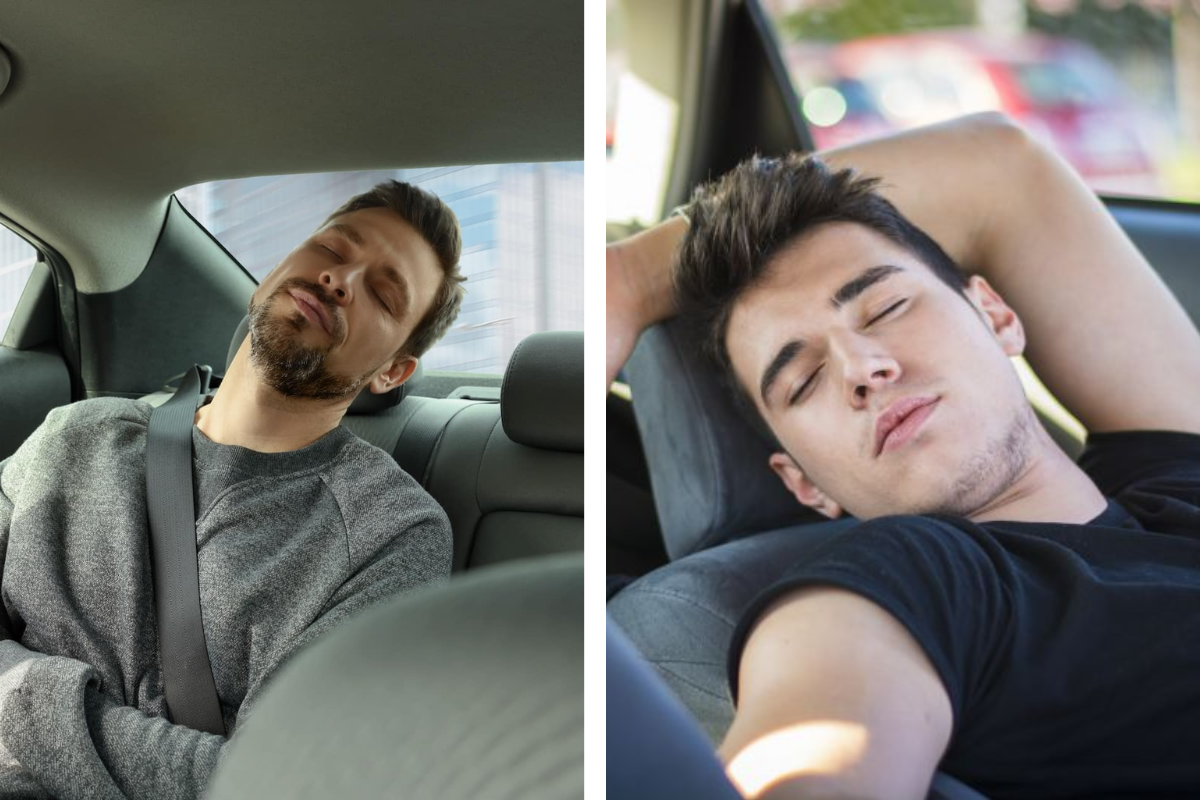
Sleeping in your car in Florida is not banned by state law on its own, but it is heavily regulated by local ordinances, property rules, and newer “public camping” statutes. Whether it is legal depends almost entirely on where you park, how long you stay, and how you are found (sober vs. intoxicated).
What Florida State Law Allows
Florida does not have a general statute that says “sleeping in a car is illegal.” You may stop and rest in your vehicle on public roads, highways, and rest areas to avoid fatigue, and short‑term naps at rest stops or truck plazas are generally allowed, though many rest areas limit continuous stays to a few hours.
Local Ordinances That Can Ban or Restrict It
Many Florida cities and counties have their own rules that effectively make sleeping in a car illegal in certain places. For example:
- Miami‑Dade County and the city of Miami prohibit using vehicles for “living” or “sleeping” on public streets or in many public parking areas.
- Cities such as Tampa, Orlando, St. Petersburg, Key West, and Pompano Beach have ordinances that ban lodging or sleeping in vehicles in public streets, parks, and rights‑of‑way.
Violating these local bans can be treated as a misdemeanor or nuisance offense, so what is legal just outside city limits may be illegal right inside the city line.
Public Property and “Camping” Rules
In 2024 Florida passed a law (HB 1365) that broadly restricts sleeping or camping in public spaces outside of designated areas, which can include sleeping in cars in parks, sidewalks, and certain public lots.
Counties can now designate specific zones where vehicle‑based sleeping is allowed, but beyond those zones it can be treated as unlawful public camping.
Private Property and Permission
Sleeping in a car on private property is usually legal if the owner gives clear permission, such as at a campground, hotel lot that allows overnight parking, or the property of a friend or family member.
Without permission, you may face trespassing charges rather than a “sleeping in car” ticket, so confirming with the property manager or owner is critical.
DUI and Being “In Control” of the Vehicle
Even if overnight parking is allowed, sleeping in a car while intoxicated can lead to a DUI charge. Florida law focuses on whether you are in “actual physical control” of the car; if keys are in the ignition, you are behind the wheel, or there is evidence you recently drove, officers can charge you with DUI even if you were not moving at the time.
Practical Guidelines for Staying Legal
To stay on the right side of Florida’s car‑sleeping rules, travelers should:
- Check city or county ordinances before parking overnight in public areas.
- Use rest areas briefly for naps, not long‑term stays, and look for campgrounds, RV parks, or hotels for overnight sleeping.
- Always obtain written or clear verbal permission when parking on private lots or driveways.
- Never sleep in a car while impaired; if you are drunk, consider a ride‑share or supervised resting option instead.
SOURCES :
- https://www.jacksoncountytimes.news/local-news/xv3gdzofbs980okpekssjvn8ueq67v
- https://www.worldlawdigest.com/usa/general/is-it-legal-to-sleep-in-your-car-in-florida