Texas maintains its longstanding right-turn-on-red rule in 2026 with no major legislative changes reported. Drivers must fully understand the requirements to avoid fines and ensure safety on busy roads.
Core Rule Explained
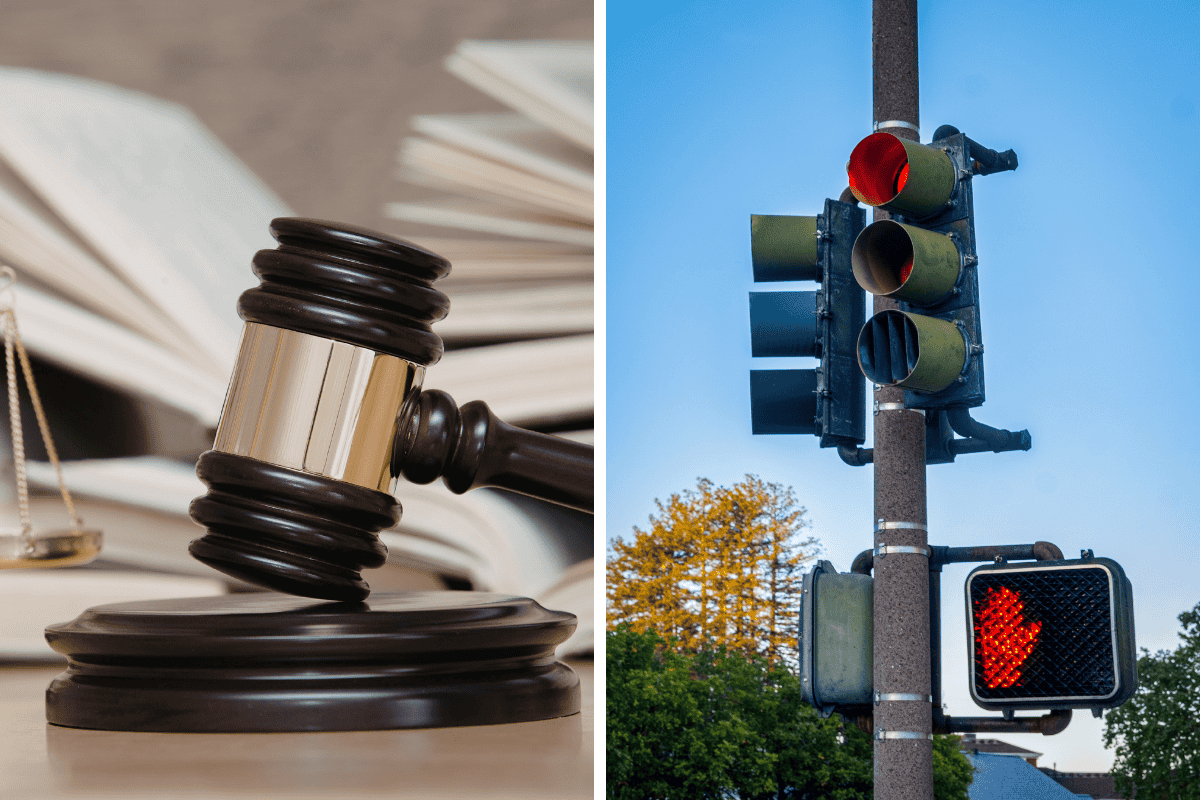
Texas Transportation Code § 544.007(d)(1) permits a right turn at a steady red light after a complete stop. Vehicles must halt behind the limit line or crosswalk, yield to pedestrians and oncoming traffic, and confirm the path is clear before proceeding.
This applies statewide unless a “No Turn on Red” sign is posted, which overrides the permission. Municipalities and TxDOT install these signs at high-risk intersections for pedestrian safety or traffic flow.
Rolling stops or failing to yield count as violations, often captured by cameras or officers.
Step-by-Step Procedure
Follow these steps precisely to comply:
- Approach the intersection and come to a full stop at the limit line, even if the light turns red.
- Check for prohibiting signs; if present, wait for green.
- Scan for pedestrians in crosswalks (yield absolutely) and cyclists.
- Look left for oncoming traffic, especially turning vehicles.
- Verify the right lane is clear, then turn slowly into the nearest lane.
A red arrow signal prohibits the turn entirely, unlike a circular red.
2026 Updates and Stability
No statewide bans or alterations to the right-on-red rule occurred in the 2025 legislative session or early 2026. Discussions in cities like Austin and Houston focus on expanding “No Turn on Red” signage at pedestrian-heavy spots, driven by rising collisions (e.g., 15% increase in urban pedestrian incidents per TxDOT data).
Vision Zero initiatives encourage more restrictive signs, but the core law remains intact. Check TxDOT’s 2026 driver handbook for localized changes via their app or website.
Exceptions and Prohibitions
Common no-turn zones include:
- School zones during active hours.
- Intersections near hospitals or transit hubs.
- Areas with blind spots or heavy foot traffic.
Left turns on red are rare—only allowed from a one-way street onto another one-way street under the same conditions.
Safety Risks and Statistics
Right-on-red maneuvers contribute to 5–10% of urban crashes in Texas, often involving pedestrians (e.g., 300+ injuries yearly). Blind spots from large vehicles heighten dangers for cyclists.
Tips: Activate turn signals early, creep forward only if safe, and avoid midday sun glare. Dash cams help in disputes.
Penalties for Violations
Illegal right turns are Class C misdemeanors with fines of $1–$200, plus court costs up to $100. Points (2–3) on your license raise insurance 20–30%.
In accidents, violators face liability; victims can pursue claims via no-fault insurance or lawsuits. Fight tickets in Justice Court with evidence like photos.
Comparisons to Other States
Texas aligns with most U.S. states allowing right-on-red since the 1970s energy crisis. New York City and Washington, D.C., ban it outright; California requires stops before crosswalks only.
| State Category | Examples | Policy |
|---|---|---|
| Full Permission | Texas, Florida | Stop and yield standard |
| Sign-Based Only | Most (48 states) | Local prohibitions common |
| Banned | NYC, DC | No turns permitted |
Defensive Driving Advice
Anticipate others’ errors—watch for running yellows from cross traffic. New drivers should practice in low-traffic areas. TxDOT’s 2026 safety campaigns emphasize “Stop Means Stop” via billboards and apps.
For CDL holders, violations trigger logbook entries and DOT reviews. Always prioritize lives over seconds saved.
Broader Traffic Context
Right-on-red supports flow on Texas’s 80,000+ miles of highways but conflicts with Complete Streets goals for bikes/peds. Future tech like connected signals may automate warnings by 2030.
SOURCES:
- https://www.reyeslaw.com/blog/right-on-red-texas/
- https://1800lionlaw.com/can-you-turn-right-on-red-at-a-traffic-light/