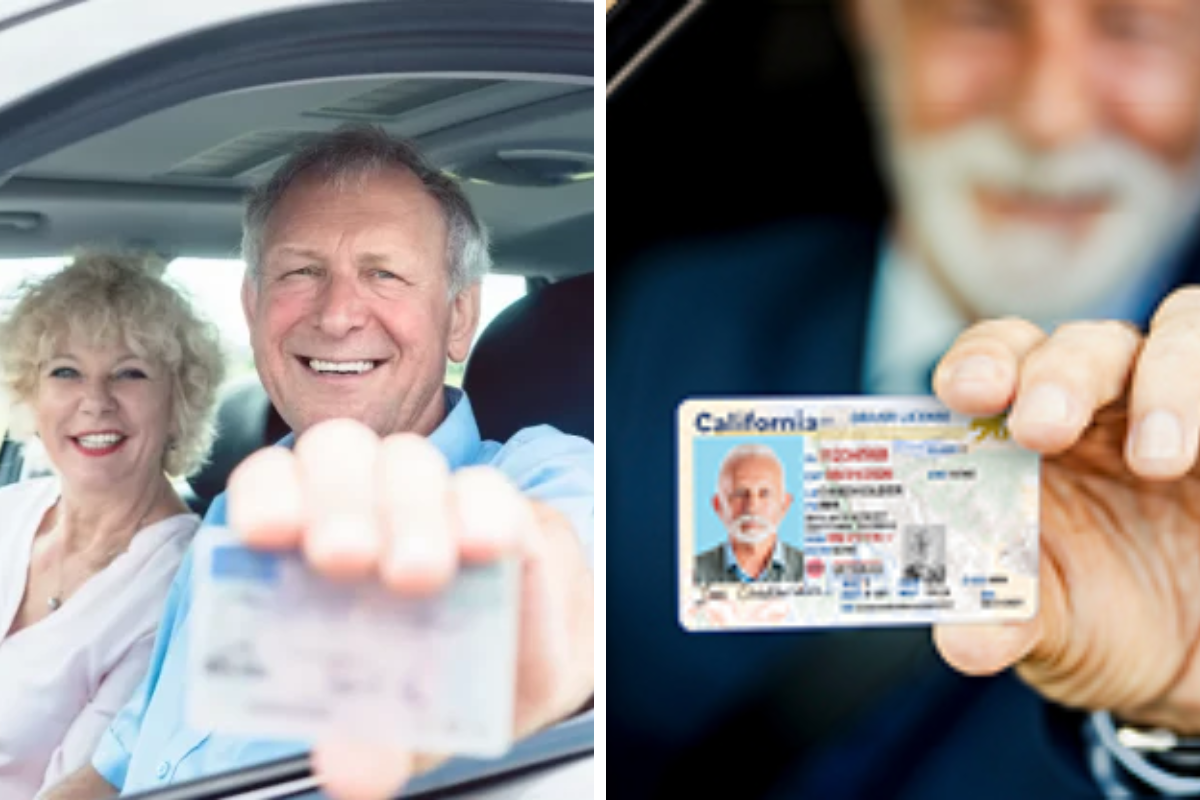
California seniors aged 70 and older face specific DMV requirements to renew their driver’s licenses, ensuring road safety while maintaining driving independence. These rules differ from younger drivers, emphasizing in-person visits and vision checks.
Renewal Age Rules
Drivers in California must renew their licenses every five years, but those 70 or older cannot use online or mail options. They are required to renew in person at a DMV office, up to 90 days before expiration or within 12 months after.
This in-person mandate allows DMV staff to assess fitness to drive directly. Recent discussions hint at potential 2026 updates, like shorter renewal cycles or added cognitive screenings, though core rules remain stable as of early 2026.
Required Tests and Checks
A mandatory vision test is part of every renewal for seniors 70 and up. This ensures clear eyesight for safe driving; failure may lead to restrictions or further evaluation.
Doctors must report conditions like dementia to the DMV, which could flag a record for review. If concerns arise, additional tests—such as behind-the-wheel exams—might be ordered, but they’re not routine.
Documents Needed
Prepare these essentials for a smooth visit:
- Completed Driver’s License Application (DL 44), available online or at the DMV.
- Proof of identity, like a current ID, Social Security card, or birth certificate.
- Two proofs of California residency, such as utility bills, bank statements, or rental agreements.
- Social Security number.
Bring originals; photocopies often aren’t accepted. Arriving prepared cuts wait times significantly.
Fees and Timing
The standard renewal fee is around $36, payable by cash, check, card, or money order at the DMV. No fee changes for seniors, but confirm online for updates.
Renew early—up to 60 days before expiration—to avoid grace period hassles. Late renewals within a year incur no penalty beyond potential late fees, but driving on an expired license risks citations.
Potential 2026 Changes
Sources suggest 2026 could bring tighter rules, including more frequent renewals (every 4-6 years), mandatory cognitive evaluations if flagged, and restricted online access. Vision and medical reporting would intensify to curb risks from age-related declines.
These aim to balance safety with mobility, backed by crash data showing higher senior incident rates. Families should monitor DMV announcements, as millions of seniors could face impacts.
Preparation Tips
Sharpen skills with a defensive driving course or online refresher before your visit. Practice common road tests if required, focusing on turns, stops, and awareness.
Schedule appointments via the DMV website to skip lines—walk-ins are possible but slower. Update your address beforehand to streamline residency proofs.
Restricted Licenses Option
If full renewal isn’t granted, the DMV may issue restrictions like daytime-only driving or no freeway use. These keep seniors mobile while addressing specific limits, often after targeted assessments.
Appeals exist if you disagree with decisions; consult DMV or legal aid promptly.
Staying Safe Long-Term
Regular eye exams and health checkups help pass renewals easily. Resources like the California Driver Handbook’s senior section offer free tips on adapting to age-related changes.
By planning ahead, California seniors can maintain their license and independence confidently. Check dmv.ca.gov for the latest, as rules evolve.
SOURCES
- https://www.nolo.com/legal-encyclopedia/california-driving-laws-seniors-older-drivers.html
- https://alliancedefensivedrivingschool.com/blog/senior-driving-license-renewal-simplified/