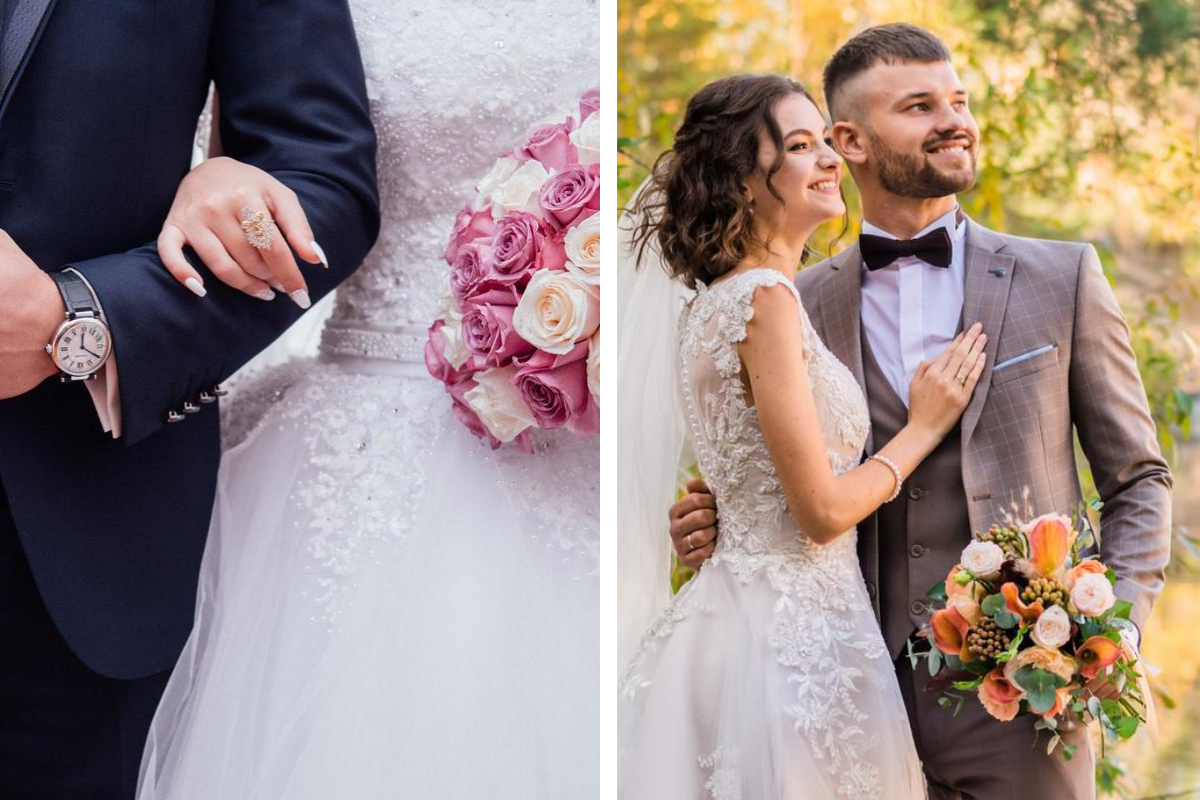
In Nebraska, it is illegal for first cousins to marry, but more distant cousins (such as second cousins) are allowed to wed. The key rule comes from Nebraska Revised Statute § 42‑103, which defines certain relationships as void and includes first cousins “when of whole blood” in that list.
What Nebraska’s law actually says
Under § 42‑103, marriages are void when the parties are related as:
- Parent and child
- Grandparent and grandchild
- Brother and sister (whole or half blood)
- First cousins “when of whole blood”
- Uncle and niece or aunt and nephew
This means a full‑blood first cousin union is treated as legally void, even if the couple is otherwise eligible to marry (age, consent, no existing spouse, etc.).
Who can marry in Nebraska
Nebraska generally permits marriage between people who are second cousins or more distantly related, as well as “half‑cousins” and “cousins once‑removed.” The state also allows adopted relatives to marry under certain conditions, as long as they are not on the void‑relationship list.
An important nuance: although Nebraska voids first‑cousin marriages performed in the state, it does not automatically void first‑cousin marriages that were validly performed in another state; those may still be recognized depending on the circumstances.
Other basic marriage rules in Nebraska
Beyond the cousin issue, Nebraska requires:
- A minimum age of 17, with parental consent for 17–18‑year‑olds.
- Both parties to be mentally competent and unmarried to anyone else (no bigamy or polygamy).
If you are considering a relationship with a cousin and plan to marry, the safest approach is to confirm the exact degree of kinship (first cousin, half‑cousin, second cousin, etc.) and consult a Nebraska family‑law attorney, since the statute’s wording can be subtle but carries real legal consequences.
SOURCES :
- https://dataminingdna.com/can-first-cousins-marry-in-nebraska/
- https://www.insideedition.com/gallery/kissing-cousins-states-where-marrying-your-relative-legal-48234/nebraska-1722