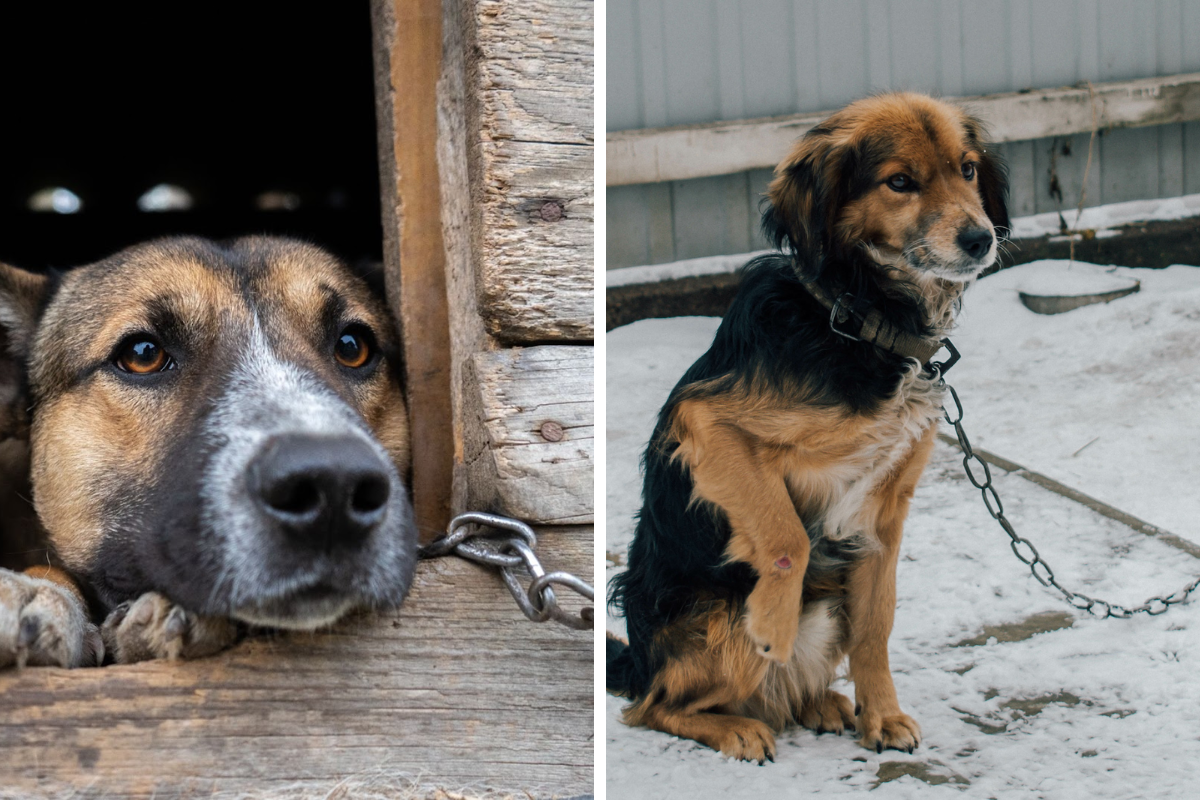
Washington state does not outright ban chaining pets outside but strictly regulates tethering under RCW 16.52.350 to prevent cruelty. Violations occur when tethering endangers the animal’s health or safety, leading to civil infractions.
Washington’s Tethering Statute
RCW 16.52.350 requires tethers to allow dogs to move freely without entanglement, provide access to water and shelter, and avoid unsafe conditions like excessive heat, cold, or filth. Prohibited practices include using choke collars, tethering sick or young dogs, or leaving pets in unsanitary areas.
Tethering must not be “reckless,” meaning short-term use complies if humane.
Enforcement and Penalties
First offenses trigger correction warnings fixable within 7 days. Second violations become class 2 civil infractions with fines; third or more are class 1 infractions, potentially higher penalties.
Local cities like Seattle add rules, such as time limits or trolley systems.
Key Requirements Table
| Requirement | Rule |
|---|---|
| Tether Design | Proper collar/harness; no pinch/choke types. |
| Movement | Allows sitting, lying, standing comfortably. |
| Conditions Prohibited | Entanglement, illness, no water/shelter. |
| Duration | Not reckless; humane short-term only. |
| Weather Extremes | Must protect from heat, cold, storms. |
Exceptions and Best Practices
Short supervised tethers for potty breaks or yards are legal if compliant. Humane alternatives like fenced enclosures or indoor access prevent issues.
No 2026 statewide ban exists, but advocacy pushes stricter limits. Check local codes and humane society guidelines; report suspected cruelty to authorities.
Responsible ownership prioritizes welfare over convenience.
SOURCES :
- https://www.fox13seattle.com/news/inslee-signs-law-protecting-tethered-dogs
- https://www.seattletimes.com/seattle-news/politics/tying-up-your-dog-new-penalties-ahead-for-tethering-fido-in-an-inhumane-way/