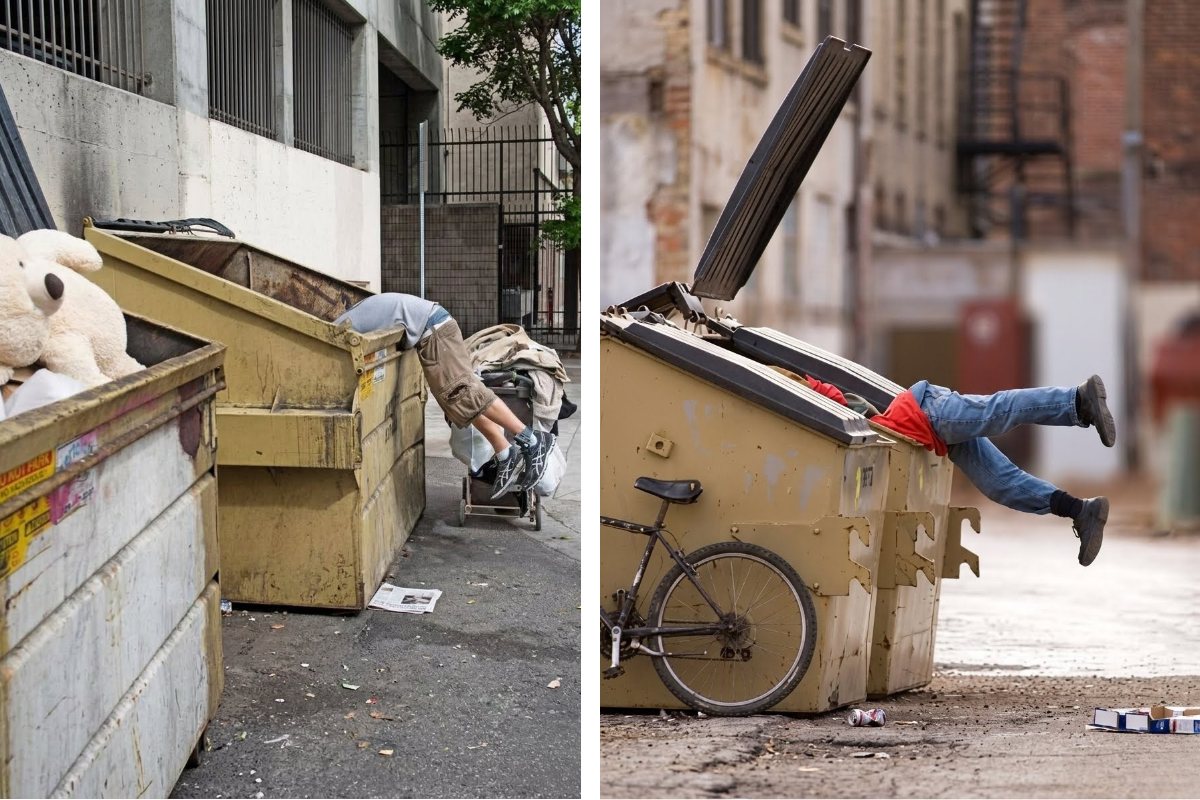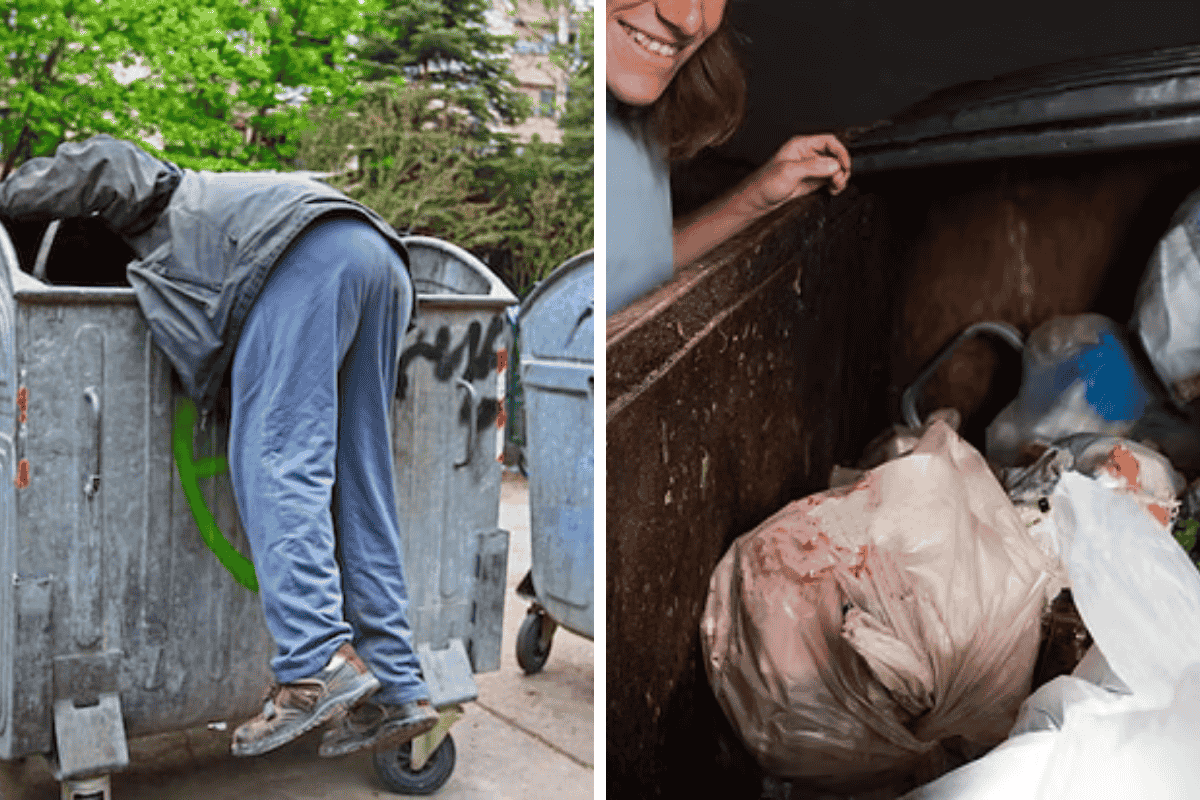
No, it is not illegal to dumpster dive in Vermont under state law, thanks to the U.S. Supreme Court’s 1988 ruling in California v. Greenwood, which held that discarded trash has no expectation of privacy. However, local rules on trespassing and public nuisance often create hurdles, especially in cities like Burlington.
Statewide Legal Framework
Vermont lacks a specific statute banning dumpster diving, placing it in a legal gray area rather than outright prohibition. Once items hit a dumpster, they are generally considered abandoned property, free for recovery if accessible from public spaces like sidewalks or alleys.
Trespassing (13 V.S.A. § 3705) is the primary risk—entering private property without permission to reach a bin violates this misdemeanor, punishable by up to one year in jail or $1,000 fines. Courts emphasize intent: rummaging openly from public areas avoids issues.
No 2026 changes altered this; Vermont prioritizes waste reduction over policing divers amid recycling pushes.
Public vs. Private Property Rules
Location determines everything:
- Public Property: Legal on streets, parks, or curbside bins open to passersby—no trespass if you stay outside fences.
- Private Property: Illegal without owner consent, even if the dumpster overflows onto public view. Apartment complexes, stores behind gates? Off-limits absent permission.
Burlington Police confirm no citywide ban, but “no trespassing” signs or locked lids trigger enforcement. Rural areas like Montpelier see laxer attitudes.
Local Ordinances Breakdown
Municipalities add layers:
- Burlington: No criminal ban per police, but disorderly conduct (24 V.S.A. § 4799a) applies if mess-making or noise disturbs. Church Street Market dumpsters draw crowds—stick to daylight.
- Rutland/Montpelier: Similar; focus on safety, not activity.
- Small Towns: Rare enforcement unless complaints.
Always check town codes via vermont.gov/municipalities—fines range $100–500 for nuisances.
Best Practices for Safe Diving
Minimize risks with these steps:
- Scout daylight hours—early mornings post-close yield food/appliances.
- Ask permission for private spots; many stores (e.g., bread outlets) allow.
- Leave cleaner than found—no scattering.
- Use gloves, lights; avoid nights in high-crime zones.
- Document via apps like TrashNothing for trades.
Prime spots: Grocery chains (Walmart overflow), college dorms (end-of-semester), restaurants (veggies pre-close).
Health and Safety Considerations
Biohazards lurk—needles, chemicals, mold. Vermont DOH warns of tetanus/hepatitis; tetanus shots recommended. Food? Safe if frozen/canned, but sniff test perishables.
Ethics matter: Divers reduce landfill waste (Vermont diverts 50%+), rescuing electronics/food. Stores discard sellable goods due to labels—your gain aids sustainability.
Penalties and Enforcement Realities
- Misdemeanor Trespass: $500 fine, community service; jail rare for first-timers.
- Civil Suits: Property damage claims unlikely unless breakage.
- Police Encounters: Warnings common; explain “freegan” lifestyle politely. Body cams help disputes.
Repeat issues? Probation or bans from stores via trespass notices.
Comparisons to Neighboring States
Vermont mirrors liberal policies:
| State | Dumpster Diving Status |
|---|---|
| Vermont | Legal on public; trespass private |
| New Hampshire | Similar gray area |
| New York (NYC) | Heavily restricted commercially |
| Massachusetts | Legal post-Greenwood, local bans |
Nationally legal in 50 states per Greenwood, but urban enforcement varies.
Myths Debunked
- “All private dumpsters illegal”: No—permission flips it.
- “Night diving banned”: Legal, but riskier visibility-wise.
- “Stores own trash forever”: Abandoned once discarded.
Reddit anecdotes confirm Vermont tolerance if discreet.
Economic and Cultural Context
Vermont’s eco-culture (farm-to-table, zero-waste) embraces diving—free food aids low-income amid 10% poverty. 2026 tourism boosts restaurant scraps; Burlington food shelves partner informally.
Communities: Facebook groups share hauls, tips.
Alternatives and Resources
- Freecycling: Craigslist “Free” section, Buy Nothing groups.
- Food Rescues: Food Not Bombs, apps like Too Good To Go.
- Legal Guides: VT Legal Aid (vtlegalaid.org), DOH waste pages.
Hotlines: 211 for shelters if diving supplements hardship.
Final Tips for 2026 Divers
Research weekly—seasons affect yields (summer picnics, college moves). Politeness sustains access; one bad actor closes spots. Dive responsibly: Save money, planet, and avoid court.
SOURCES:
- https://detectingtreasures.com/dumpster-diving-in-vermont/
- https://worldpopulationreview.com/state-rankings/dumpster-diving-legal-states)