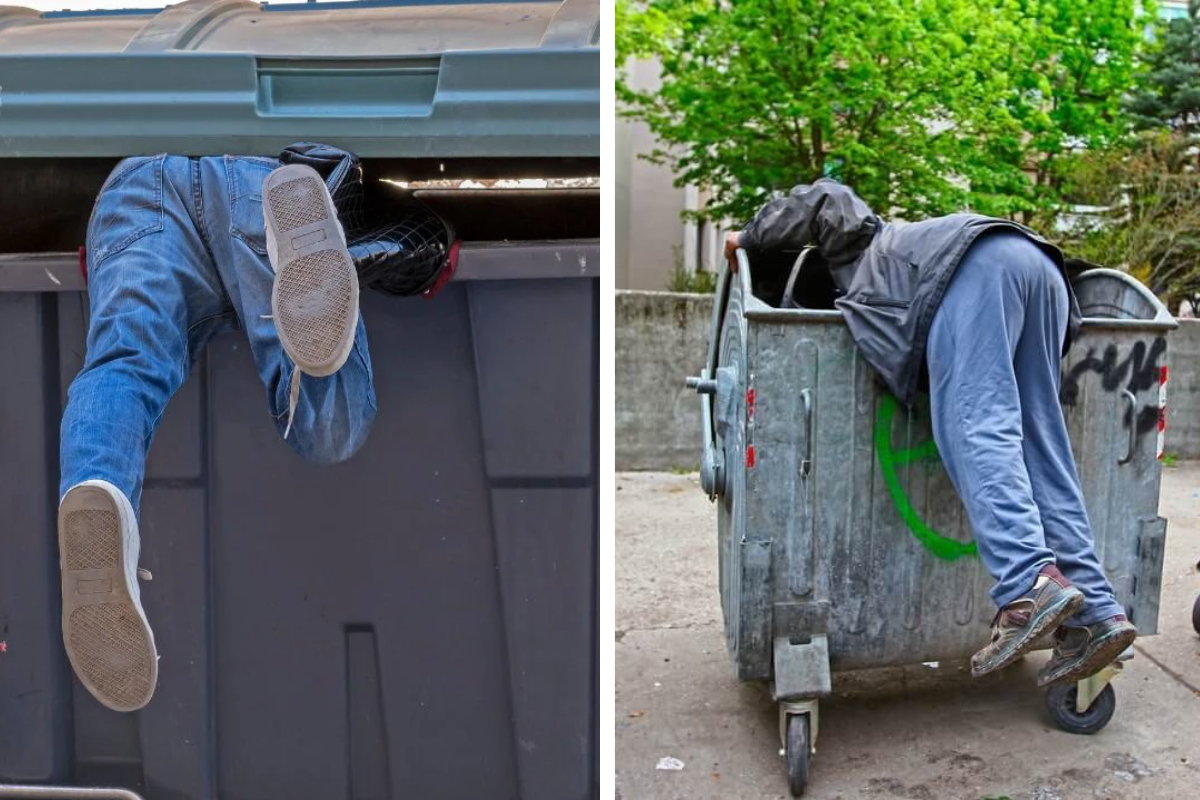
Dumpster diving in Minnesota is generally legal under state law, thanks to a 1988 U.S. Supreme Court ruling, but it hinges on avoiding trespassing and local restrictions.
Federal and State Legal Basis
The Supreme Court’s decision in California v. Greenwood established that discarded trash in public areas lacks Fourth Amendment privacy protection, making retrieval legal nationwide absent other violations. Minnesota has no statute explicitly banning dumpster diving, aligning with this precedent.
Once items are in a curbside dumpster on public property, ownership transfers to the public domain. State trespass laws (Minn. Stat. § 609.605) apply only if you enter private enclosures like fences or locked gates.
Key Restrictions to Avoid
Trespassing remains the primary risk—never climb barriers or ignore “No Trespassing” signs around private dumpsters, such as behind stores. Theft charges could arise if items aren’t fully abandoned, though courts rarely pursue this for true discards.
Cities like Minneapolis enforce ordinances (e.g., Code Sec. 18.150) prohibiting unauthorized access to waste containers, potentially requiring permits or allowing police seizure. Check county and municipal codes, as they override general legality.
Local Variations Across Minnesota
In most areas, curbside dumpsters on public streets (e.g., apartment complexes) are fair game. Rural spots face fewer rules than urban ones like St. Paul or Duluth, where health codes or littering fines (Minn. Stat. § 609.68) apply if messes are left.
Retail chains may post private property warnings, turning diving illegal. Always scout for locks, enclosures, or signage first.
Potential Penalties and Risks
Violations typically yield misdemeanors: trespassing carries up to 90 days jail and $1,000 fine; littering adds $300. Minneapolis ordinance breaches may lead to citations or property confiscation.
Health hazards like needles or bio-waste pose non-legal dangers—use gloves and avoid food scraps. Police encounters often end in warnings if you’re on public property.
Practical Tips for Safe Diving
Prioritize public curbside spots during business hours when bins are out. Clean up thoroughly to dodge littering claims. Document locations with photos for disputes.
If challenged, politely explain Greenwood and exit—escalation invites charges. Apps and forums track “hot spots,” but verify 2026 local updates.
Quick Legality Checklist
| Scenario | Legal? | Main Concern |
|---|---|---|
| Curbside public dumpster | Yes | None if no mess left |
| Private property (fenced) | No | Trespassing |
| Locked/enclosed bin | No | Trespassing/theft |
| Minneapolis ordinance areas | Restricted | Permit or citation needed |
| Retail back lots | Usually no | Signs/private property |
Minnesota’s framework favors divers who respect boundaries—stay public, stay clean, and research locals for hassle-free scavenging.
SOURCES :
- https://www.worldlawdigest.com/usa/general/is-dumpster-diving-legal-in-minnesota
- https://mix108.com/is-it-illegal-to-dumpster-dive-in-minnesota/