Dumpster diving in Florida is generally legal on public property but illegal on private property without permission, as determined by trespassing laws rather than any specific statewide ban. Once trash is discarded in accessible public areas, it loses privacy protections under U.S. Supreme Court precedent like California v. Greenwood (1988), though local nuances and enforcement can complicate matters.
Federal and State Legal Foundation
No federal or Florida statute outright prohibits dumpster diving. Florida law aligns with the principle that abandoned trash in public spaces belongs to no one, allowing retrieval without theft charges. Key statutes focus on related offenses: trespass under Florida Statute § 810.09 (misdemeanor, up to 60 days jail/$500 fine) and littering under § 403.413 (civil penalties up to $500 for messes).
State enforcement emphasizes property rights over scavenging itself, with no 2026 changes altering this framework despite economic pressures like inflation.
When It’s Legal
Dumpster diving is permissible if:
- The dumpster sits on public property (sidewalks, parks, alleys without enclosures).
- No locks, fences, or “No Trespassing/No Diving” signs restrict access.
- You avoid damage, litter, or disturbances—no climbing, breaking lids, or scattering debris.
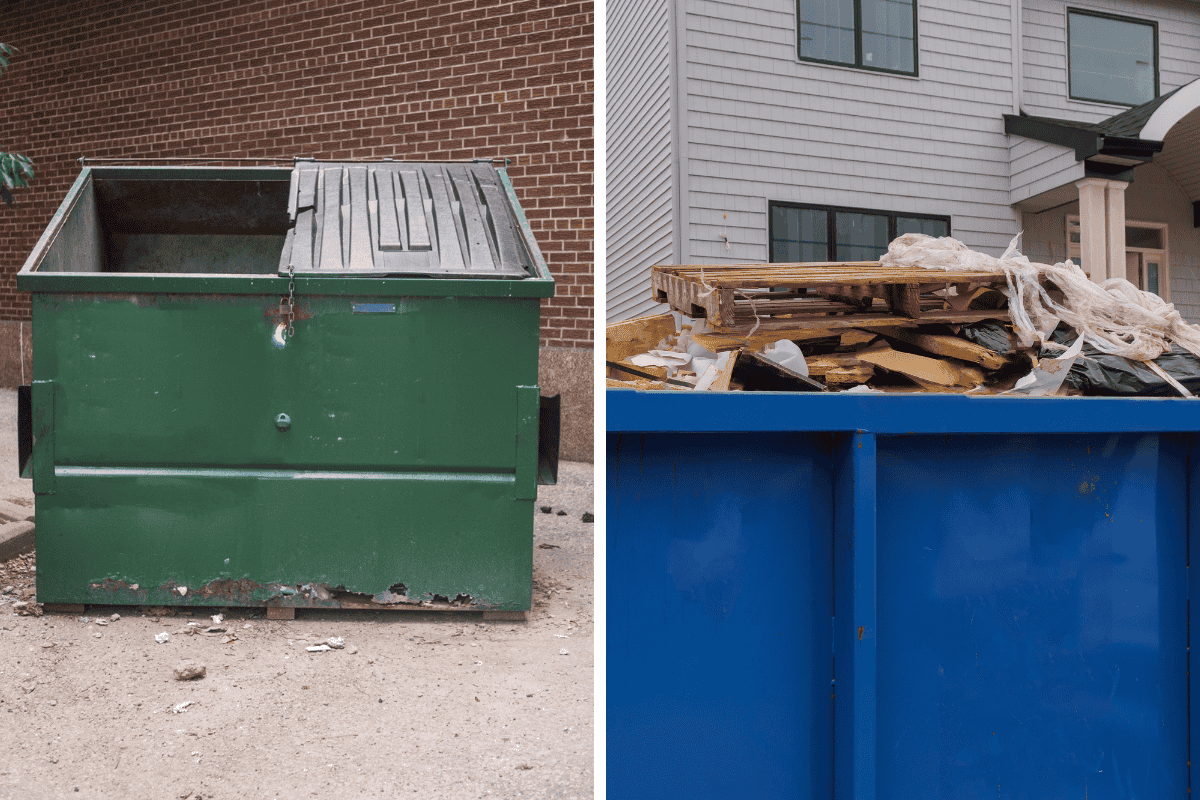
Examples include apartment complex street-side bins (if unenclosed/public-facing) or curbside commercial dumpsters post-collection day. Clean retrieval in daylight minimizes issues.
When It’s Illegal
Common violations turn diving criminal:
- Private property dumpsters (stores, restaurants, apartments, schools)—even unlocked ones require owner permission to avoid trespass.
- Locked/secure/enclosed bins or those with signage—tampering risks vandalism charges (§ 806.13).
- Creating messes or noise, triggering disorderly conduct or litter fines.
- After-hours access via gates/fences, escalating to burglary-like offenses.
Orlando and Miami anecdotes highlight arrests for store-back dives, not public ones.
Local Ordinances and Variations
Counties/cities add layers—check municipal codes (e.g., Miami-Dade bans “scavenging” in certain zones; Orlando enforces store complaints aggressively). South Florida’s tourism hubs patrol commercial areas strictly, while rural spots see laxer vibes. Always verify via city hall or apps like Nextdoor for spots.
No statewide registry exists, but 2026 reports note rising enforcement amid waste management costs.
Enforcement Realities
Police prioritize complaints over patrols—store owners call if spotting divers. First offenses often yield warnings; repeats draw citations. Body cams and “no loitering” signs aid prosecutions. Unhoused divers face heightened scrutiny under vagrancy pretexts, though courts uphold public-access rights.
Fines rarely exceed $500, but records impact jobs/backgrounds. Juveniles get diverted; adults negotiate pleas.
Safety and Best Practices
Legal doesn’t mean safe: tetanus, needles, spoiled food, insects, traffic. Wear gloves, sturdy shoes, headlamps; dive with partners daytime-only. Clean hauls immediately; donate/sell finds ethically (e.g., food banks accept unopened goods).
- Scout locations via Google Maps for public access.
- Ask permission for borderline spots—many managers allow.
- Leave cleaner than found to build goodwill.
- For logistics pros like Amit, note supply chain parallels: pallets/crates from warehouses yield tools, but respect freight yards as private.
National Context and Comparisons
Florida joins 48 states where diving is broadly legal (exceptions: Nevada strictures). Urban yield beats rural; Miami rivals LA for electronics/appliances. Critics cite sanitation; proponents hail waste reduction (U.S. discards 40% edible food).
Sustainability angle grows post-2025 eco-laws, with “dumpster divers” feeding communities via apps like Too Good To Go.
Alternatives and Resources
Freecycling (Craigslist free section), bulk trash days, or apps (OfferUp, Freecycle) avoid risks. Homeless aid via 211; food via Feeding America. Legal aid through Florida Legal Services for disputes.
Myths Busted
- Not theft: Trash isn’t property once discarded publicly.
- Not always vagrancy: Legit divers (collectors) evade that.
- Curb shopping legal: Bulk trash on streets is fair game statewide.
In Florida, dumpster diving rewards caution over boldness—public yes, private no, clean always. Stay informed, dive smart.
SOURCES:
- https://lawbhoomi.com/is-dumpster-diving-illegal-in-florida/
- https://www.yahoo.com/news/articles/legal-dumpster-dive-florida-curb-153844075.html