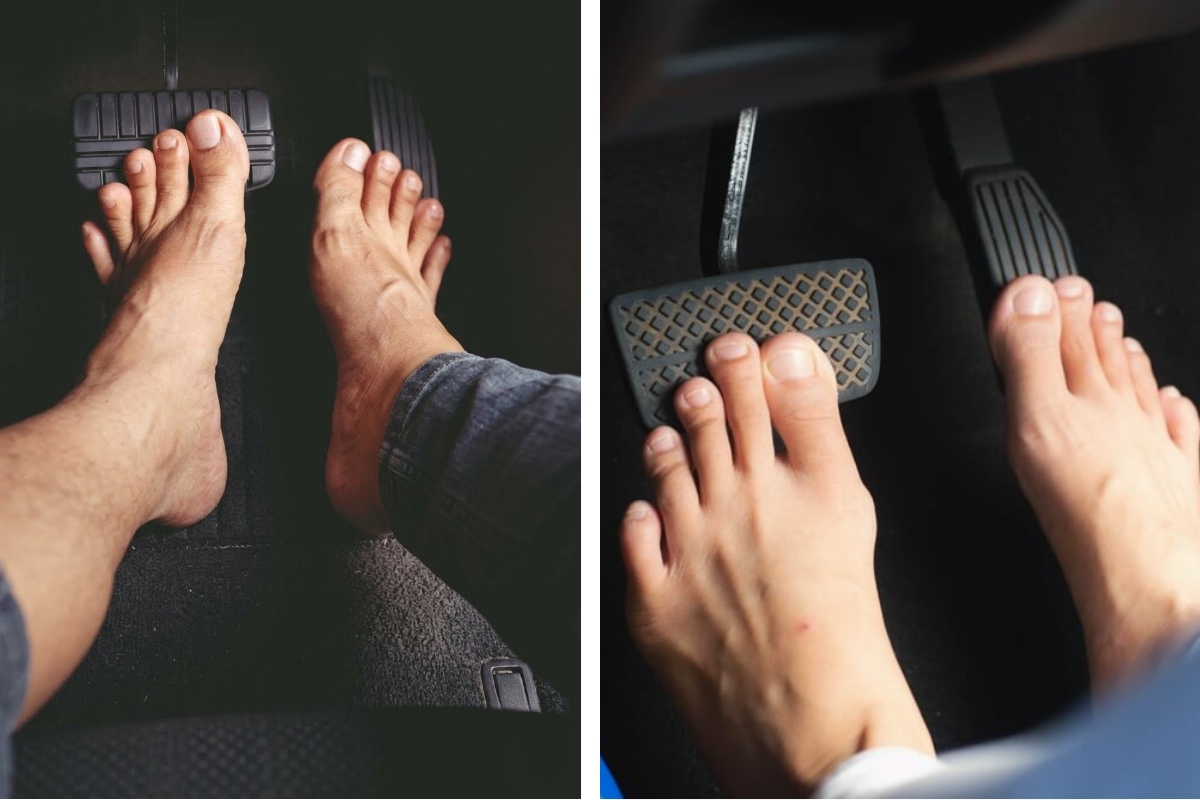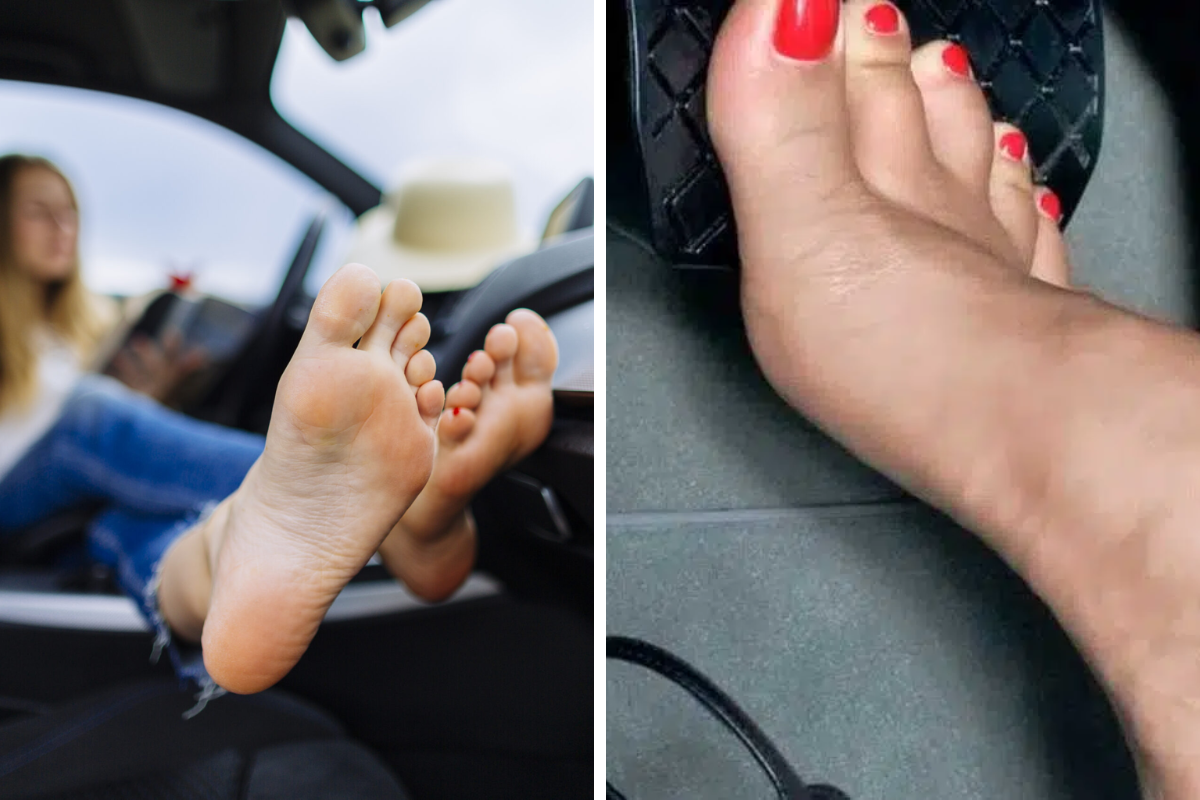
Driving barefoot means operating a vehicle without shoes or socks, a practice some prefer for comfort on short trips. Vermont has no state law prohibiting this, aligning with the nationwide norm where barefoot driving remains legal across all 50 states.
Statewide Legality
Vermont statutes do not require drivers to wear footwear, as confirmed by state DMV guidelines and legal reviews. Title 23 of Vermont Statutes covers vehicle operation but omits any footwear mandates, treating it as a personal choice rather than a violation.
No federal regulations impose shoe requirements for passenger vehicles either. This uniformity lets drivers cross state lines without worry, though Vermont emphasizes overall vehicle control.
Local Ordinances
Municipal rules rarely address barefoot driving, with no known Vermont towns enforcing footwear bans. Anecdotal reports, like Reddit discussions, mention officer warnings, but these lack statutory backing and stem from safety concerns, not illegality.
Counties or cities could theoretically add ordinances, but enforcement focuses on reckless driving instead. Vermont prioritizes safe operation over attire.
Safety Considerations
While legal, barefoot driving raises grip and reaction issues on pedals, per safety analyses from DMV advisories. States like Ohio and California recommend shoes to avoid slips, and Vermont troopers echo this for hazard response.
Post-accident scrutiny could cite “careless operation” under 23 V.S.A. § 1031 if bare feet contribute, leading to fines up to $500 for misdemeanors. Insurance might deny claims if deemed negligent.
| Aspect | Legal Status | Potential Risk |
|---|---|---|
| State Law | Permitted | None directly |
| Local Rules | No bans | Rare warnings |
| Accidents | Legal but reviewable | Reckless charge |
| Motorcycles | Footwear advised | Higher scrutiny |
Exceptions and Advice
Motorcyclists face no barefoot ban in Vermont, unlike Alabama’s shoe rule, but helmets remain mandatory. Commercial drivers follow federal CDL standards without footwear specifics.
For safety, keep shoes accessible; flip-flops or heels pose similar risks. Vermont’s rural roads demand quick pedal control, making preparedness key.
Penalties Overview
Isolated barefoot driving incurs no tickets. Violations arise only via broader statutes like improper control, with first offenses at $100-$200 fines plus points on licenses.
Judges consider context in crashes, prioritizing evidence over footwear alone. Defensive driving courses can mitigate points for minor issues.
Best Practices
Post “shoes nearby” as a habit to counter any officer doubts. Vermont’s DMV stresses attentiveness over mandates, promoting voluntary safety.
In essence, enjoy barefoot drives legally in Vermont, but prioritize control to sidestep indirect liabilities.
SOURCES :
- https://teamjustice.com/is-it-illegal-to-drive-barefoot/
- https://1800lionlaw.com/is-it-illegal-to-drive-barefoot/