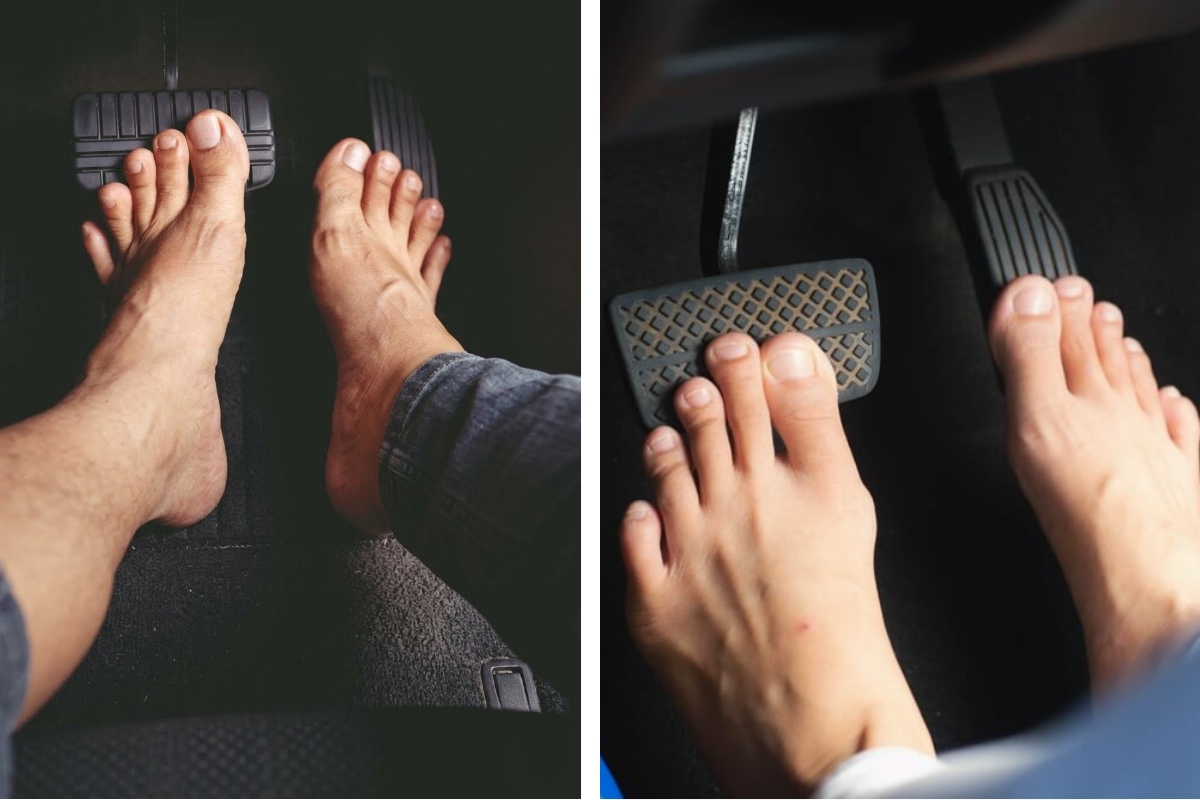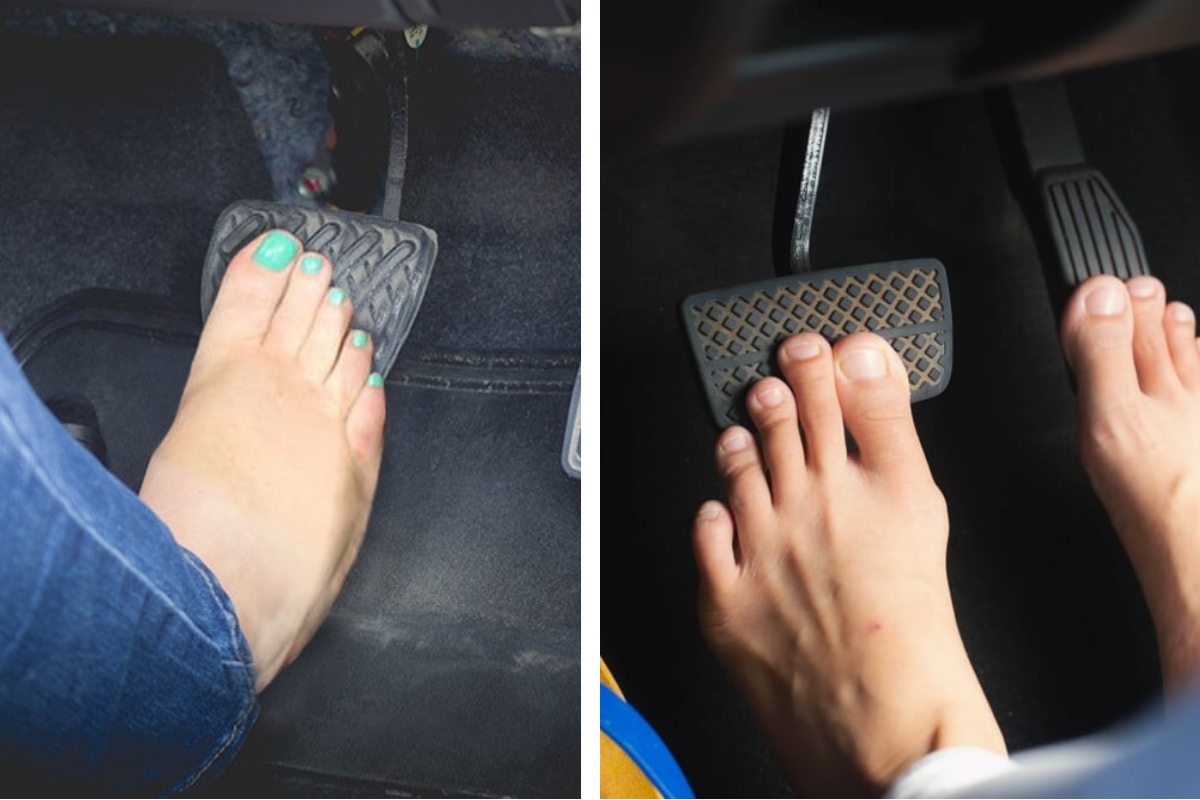
No, driving barefoot in Colorado is not illegal—there’s no state statute explicitly requiring footwear while operating a vehicle. This holds true across all 50 states, including Colorado, where traffic laws focus on safe operation rather than specific attire.
The Legal Reality
Colorado’s vehicle code, primarily in Title 42, emphasizes “reasonable and prudent” driving under the circumstances (§42-4-1402), but nowhere mandates shoes. Officers cannot pull you over solely for bare feet; they need probable cause like speeding or erratic behavior first.
Myths persist from urban legends, but courts have upheld barefoot driving as legal. Post-accident, it won’t void insurance unless proven to cause negligence—rare, as policies cover standard operation regardless of shoes.
Federal uniformity reinforces this: No national rule exists, aligning Colorado with permissive states like Florida or Texas.
Safety Concerns Explained
Bare feet offer better pedal feel for some, avoiding slips from flip-flops or heels that snag accelerators. However, sweat, cold, or debris reduces grip on brakes/gas, especially in emergencies or wet cabs.
Studies show footwear impacts reaction time minimally for most, but barefoot drivers risk cuts from glass post-crash or pedal burns. Experts recommend closed-toe flats for optimal control.
In snow-prone Colorado, frostbitten toes heighten hazards—wear boots for traction and warmth.
When It Could Lead to Trouble
If barefoot driving impairs control—say, sliding off pedals in panic—it might support “careless driving” citations (§42-4-1204), with $100+ fines and 3 points. Accidents could tag you contributorily negligent, hiking liability 10-20%.
Police note it in reports if relevant, like “driver barefoot, delayed braking.” No direct ticket, but it flags during stops. Motorcycles? Legal barefoot too, except Alabama.
Employers or CDL holders face stricter scrutiny—DOT suggests shoes for commercial safety.
Comparisons to Other Footwear
Flip-flops pose similar slips; high heels jam pedals worse. Colorado cops target unsafe shoes via same careless statute. Socks? Legal, but absurdly risky.
Some states (none banning barefoot) recommend sturdy shoes in manuals. Colorado DMV advises “proper attire” vaguely, prioritizing vision over feet.
Practical Driving Tips
- Opt for thin-soled sneakers: Grip without bulk.
- Keep spares in car for long hauls or wrecks.
- Practice barefoot stops if preferred—know your limits.
- In crashes, document scene fully; barefoot won’t bar claims absent causation.
Check Colorado DMV for updates—no changes as of 2026. Drive barefoot legally, but prioritize safety—shoes beat shards.
Debunking Common Myths
Myth 1: Ticketable offense. Fact: No specific law.
Myth 2: Insurance denial. Fact: Only if negligent.
Myth 3: Officer mandate. Fact: Can’t force shoes post-stop.
Freedom rules, but responsibility follows. Barefoot? Your call—just stay in control.
Sources:
- (https://personalinjuryco.com/can-you-drive-barefoot-in-colorado/)
- (https://www.mydenveraccidentlawfirm.com/news-resources/is-it-legal-to-drive-without-shoes/)
- (https://gandertonlaw.com/is-it-illegal-to-drive-barefoot/)