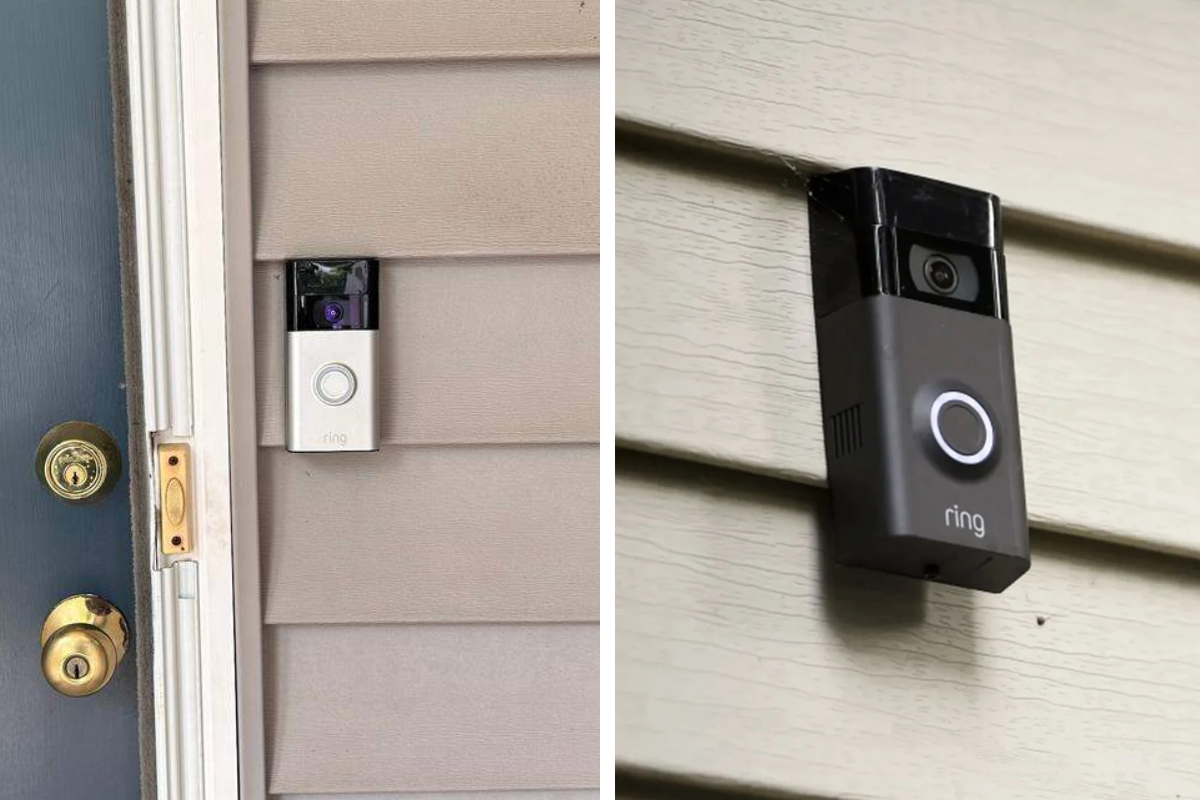
While there is no specific law in Minnesota explicitly naming “ding dong ditching” as a crime, engaging in the act can expose you to various legal charges depending on how the prank is executed and how it affects the property owner.
Because it involves interacting with private property without permission, law enforcement can classify the behavior under broader criminal statutes.
Potential Legal Consequences
The primary legal risks associated with this prank fall under established Minnesota statutes regarding public conduct and property rights:
- Disorderly Conduct: Under Minnesota Statute § 609.72, it is a misdemeanor to engage in “offensive, obscene, abusive, boisterous, or noisy conduct” that you know—or should reasonably know—will alarm, anger, or disturb others. If the doorbell ringing is persistent or occurs at inappropriate hours, it may satisfy the requirements for this charge.
- Criminal Trespass: Stepping onto private property after being told to stay away, or entering restricted areas to perform the prank, can lead to charges of criminal trespass. In Minnesota, homeowners have the right to exclude others from their property, and ignoring this boundary is a common trigger for police involvement.
- Criminal Mischief: If the prank involves more than just ringing a doorbell—such as damaging property, leaving behind materials, or defacing a porch—it could be classified as criminal mischief or vandalism under Minnesota Statute § 609.595. Even minor damage can lead to fines or potential jail time depending on the circumstances.
Important Considerations
It is important to remember that legal consequences are often cumulative. While a one-time occurrence might result in a police warning or a simple instruction to leave, repeated offenses increase the likelihood of formal charges.
Furthermore, intent matters significantly. If the prank is interpreted as harassment, stalking, or a targeted campaign against a specific individual, law enforcement is much more likely to escalate the matter.
Even if you perceive the act as a harmless childhood game, the impact on the recipient—especially if it causes genuine alarm or emotional distress—is what often dictates the legal response. Always respect the privacy and boundaries of others to avoid unnecessary legal complications.
SOURCES :
- https://www.avvo.com/legal-answers/is-prank-calling-illegal-in-mn-we-did-not-threaten-289420.html
- https://www.legalreach.com/blog/is-ding-dong-ditching-illegal-it%E2%80%99s-more-serious-than-you-might-think