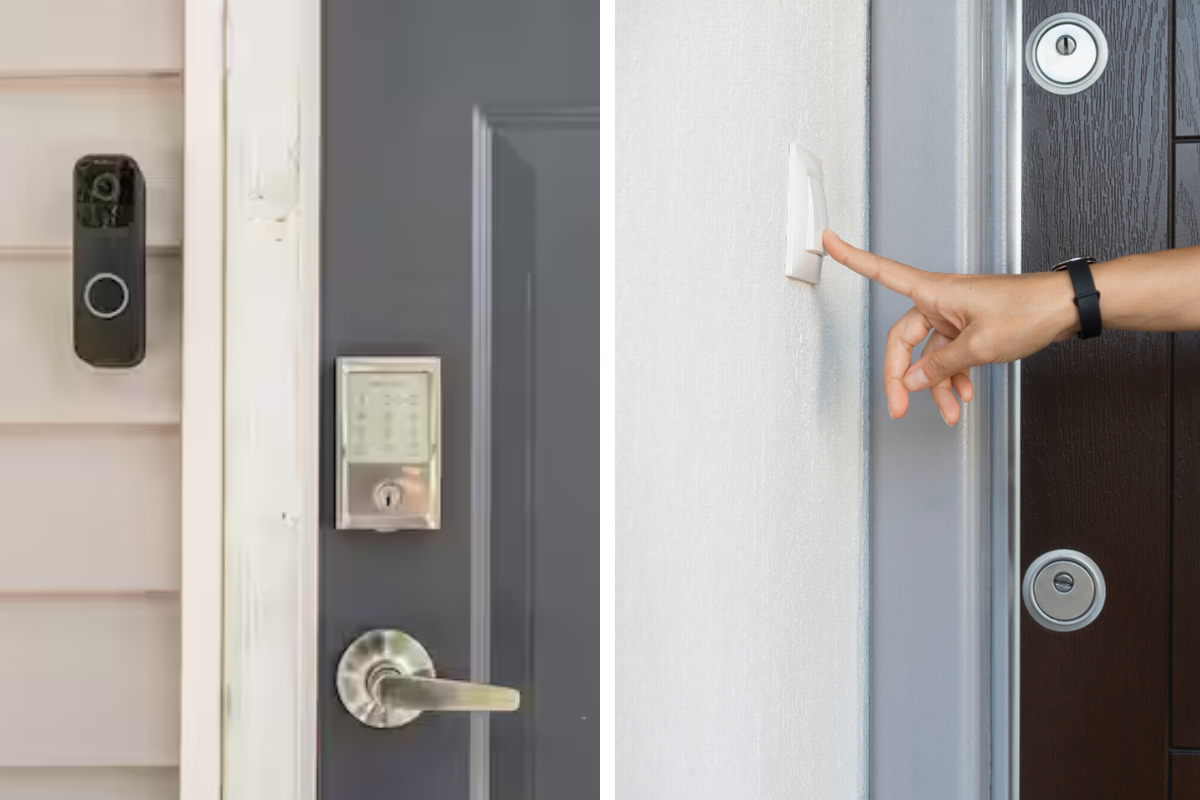
Ding dong ditching—ringing a doorbell and fleeing—seems like harmless fun but often crosses into illegal territory in Colorado. Under state statutes, it typically qualifies as criminal trespass or disorderly conduct, carrying real penalties.
Defining the Prank
Ding dong ditch, also called “knock-knock ginger,” involves approaching a home’s porch, activating the doorbell, and running away before the resident answers. This act invades private property briefly, even if just to reach the door.
In Colorado, porches count as premises protected by law. Stepping onto them without invitation turns a prank into unauthorized entry.
Key Legal Violations
Criminal Trespass
Colorado Revised Statutes classify entering or remaining on another’s property without permission as second-degree criminal trespass, a class 3 misdemeanor. Penalties include up to 6 months in jail and fines from $50 to $750.
A single instance might yield a warning, but repeats escalate charges. Homeowners disturbed late at night often report it, prompting police response.
Disorderly Conduct
If the prank alarms residents or disrupts peace, it falls under disorderly conduct statutes. This adds misdemeanor charges with similar fines and possible jail time.
Intent to harass isn’t required; causing reasonable fear suffices. Nighttime pranks heighten this risk.
Potential Escalations
Criminal Mischief
Accidental damage—like a broken doorbell or tripped resident—triggers criminal mischief under C.R.S. § 18-4-501. Charges range from petty offenses to felonies based on damage value.
Even minor fixes (e.g., $100 repair) lead to fines, community service, or probation.
Harassment Risks
Repeated acts or taunting could invoke harassment laws (C.R.S. § 18-9-111), a class 3 misdemeanor with up to 6 months imprisonment.
Prank calls tied to the ditch amplify this, as Colorado bans alarming communications.
Real-World Consequences
Homeowners may react defensively, mistaking pranksters for threats. Cases exist where confrontations led to injuries, lawsuits, or counter-charges against residents.
Minors face juvenile court, but “kids being kids” offers no defense. Parents could owe fines or restitution.
A Fort Collins incident saw a ding dong ditch spiral into robbery accusations when teens grabbed items amid chaos.
Enforcement Realities
Police prioritize based on complaints. Rural areas see lax response to isolated events, but urban spots like Denver enforce strictly amid rising nuisance reports.
Video doorbells provide evidence, aiding arrests. TikTok trends have spiked prosecutions for filmed pranks.
Advice for Avoiding Trouble
Skip the prank entirely—legal risks outweigh laughs. Opt for permission-based fun, like organized games.
If charged, consult a defense attorney early. Innocence claims or first-offense leniency can mitigate outcomes.
SOURCES :
- https://rubinsteinlawoffices.com/arrested-for-innocent-prank/
- https://pixelation.org/is-ding-dong-ditching-illegal-what-the-law-actually-says-about-this-prank-qmb