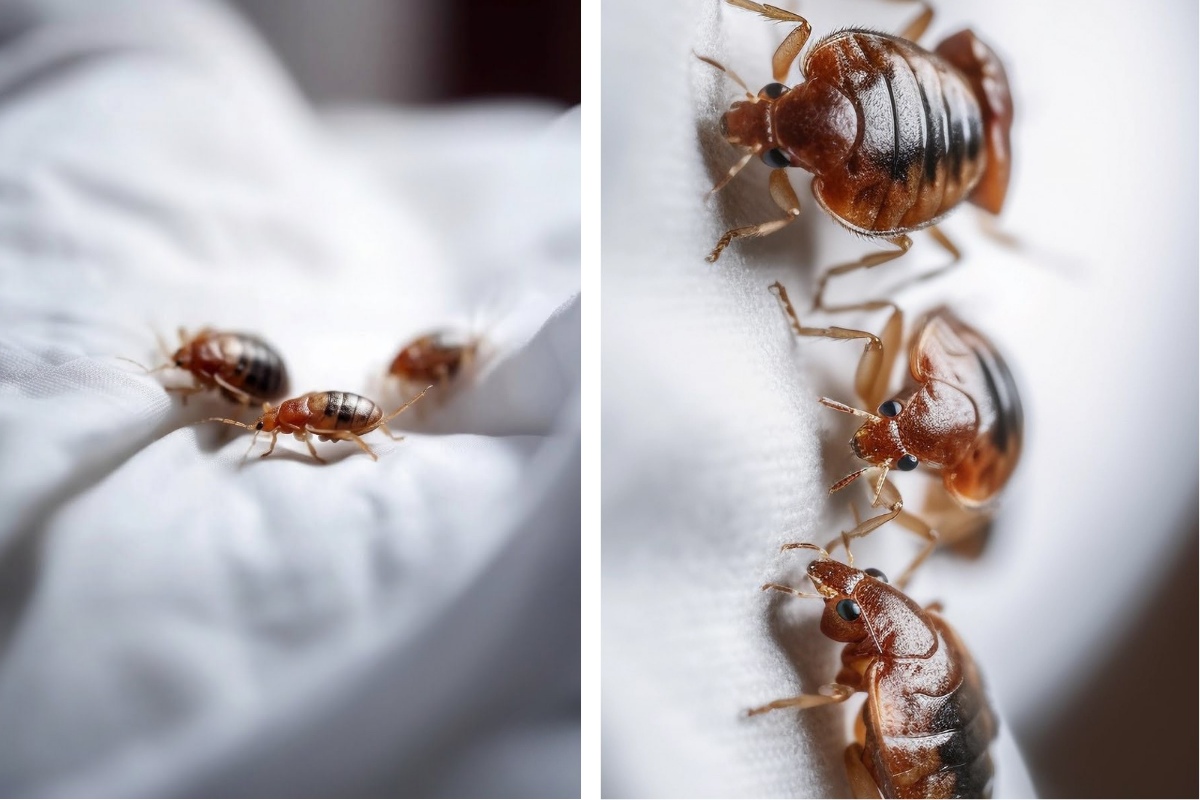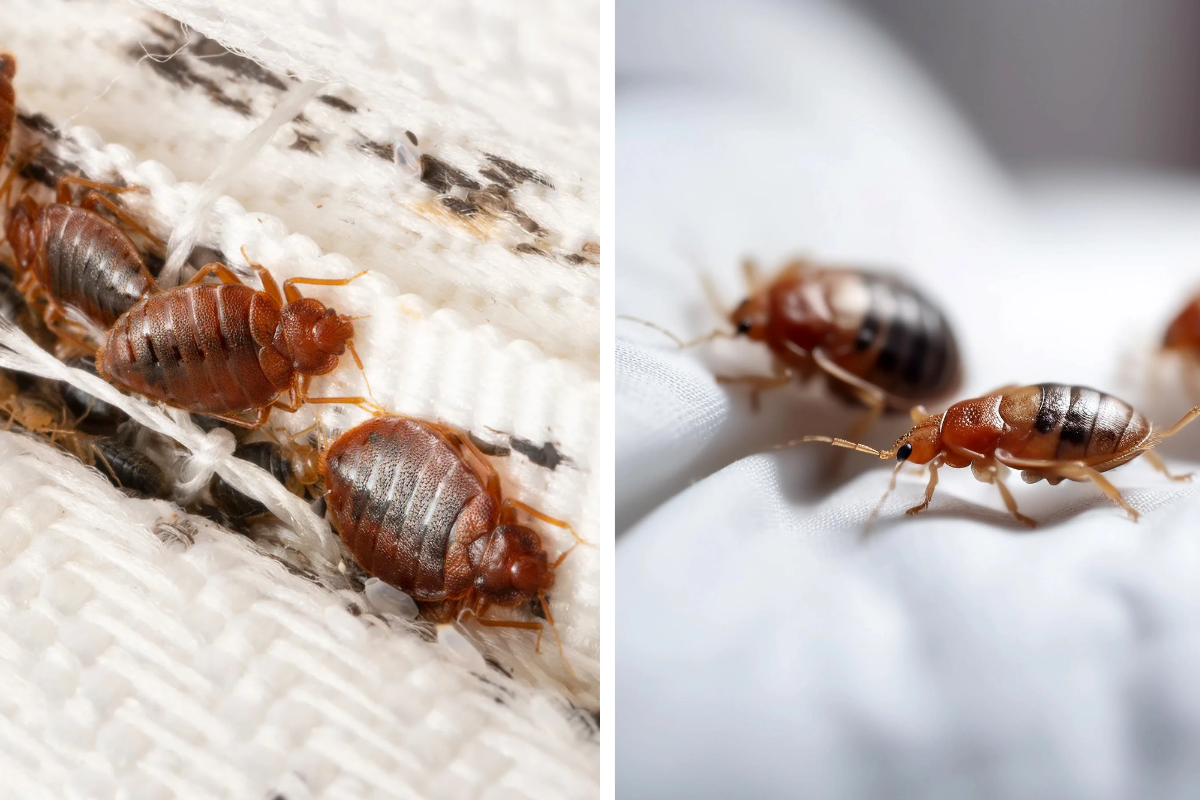
Bed bugs—tiny blood‑feeding pests that thrive in mattresses, furniture, and clothing—are staging a quiet but growing invasion across Utah, particularly in fast‑growing urban centers. From student‑packed college towns to bustling tourist hubs, several Utah cities are seeing more infestations in homes, hotels, and multi‑unit housing, and local officials and landlords are scrambling to respond.
1. Salt Lake City: The state’s main hotspot
Salt Lake City has become Utah’s primary bed bug hotspot, driven by its dense population, high volume of travelers, and mix of older housing stock. Hotels, short‑term rentals, and apartment complexes are frequent targets, and pest‑control firms report a sharp rise in bed‑bug calls over the past few years.
The city is responding with increased inspections of rental properties, public education campaigns, and clearer guidance for tenants on how to detect and report infestations early. Residents are also urged to check second‑hand furniture and luggage carefully before bringing them indoors.
2. Provo: Student housing under siege
Provo, home to Brigham Young University, faces special risks because of its large student population and high turnover in rental housing. Dorms, off‑campus apartments, and shared living spaces are especially vulnerable, as bed bugs easily hitch rides on backpacks, suitcases, and clothing.
In response, local pest‑control companies are offering more affordable treatment plans for landlords, and the city has begun clarifying expectations for how quickly property owners must respond once bed bugs are reported. Students and families are encouraged to inspect new rentals and launder used furniture covers or bedding before use.
3. Ogden: Northern Utah’s rising concern
Ogden in northern Utah has seen a noticeable uptick in bed‑bug reports in recent years, with infestations cropping up in apartment buildings, public housing, and even some schools. The city’s mix of dense housing, tourism‑related lodging, and a growing population creates ideal conditions for bed bugs to spread.
Public‑housing authorities are now working closely with exterminators, distributing educational flyers, and pushing landlords to address complaints promptly. Community alerts and tenant‑awareness programs help residents recognize early signs—such as small blood spots or itchy bites—so they can act before an infestation explodes.
4. Logan: A college‑town challenge
Logan, anchored by Utah State University, fits the classic “college‑town” pattern that bed bugs love: heavy student movement, frequent visits, and lots of temporary or shared housing. Rentals near campus, short‑term visitor stays, and crowded apartment complexes make it easy for bed bugs to jump from one unit to the next.
Local pest‑control operators report that Logan is seeing more treatment jobs each year, especially in spring and early summer. Efforts there focus on landlord education, clear reporting protocols, and public‑health messaging that stresses early intervention and thorough cleaning or heat treatments.
5. St. George: A southern‑Utah surprise
St. George, known for its warm climate and growing tourism industry, has recently become an unexpected bed‑bug battleground. Hotels, vacation rentals, and seasonal rentals are particular hotspots, as visitors from across the country bring infested luggage into the city.
The city’s response includes tighter cooperation between lodging operators and pest‑control services, more frequent inspections during peak travel seasons, and public outreach that urges tourists and residents alike to inspect rooms and luggage carefully. Heat treatments, chemical sprays, and long‑term monitoring are becoming standard tools for keeping infestations at bay.
SOURCES :
- https://www.instagram.com/p/DM0oXa_RFzM/
- https://bbpest.com/2017/11/motels-in-utah-are-crawling-with-bedbugs/