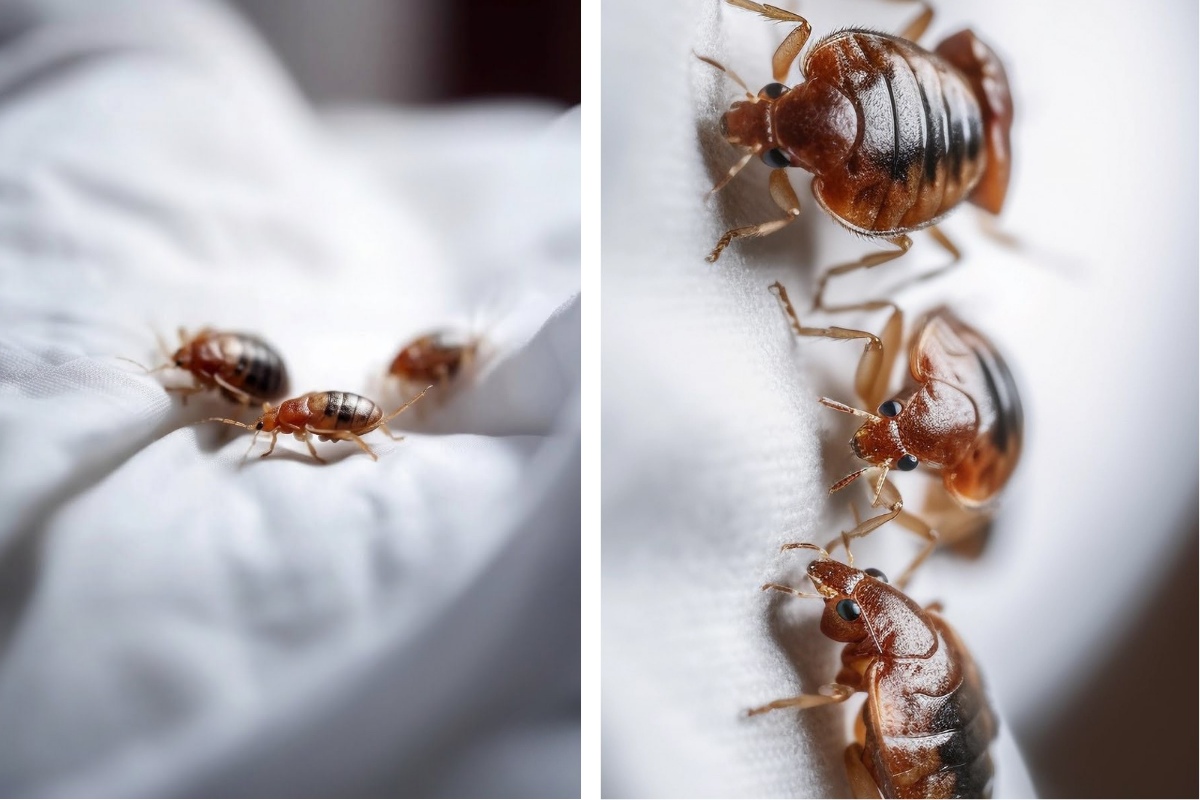
Across Illinois, a quiet but stubborn “insect invasion” is forcing several cities to rethink how they tackle bed bugs. Once thought of as a nuisance of the past, these pests are now resurging in apartments, hotels, and multi‑unit housing, turning bed bug control into a full‑on municipal priority.
Chicago: the national epicenter
Chicago has repeatedly topped national bed‑bug rankings, with one major pest‑control company listing it as the worst bed‑bug city in the United States for multiple years in a row.
The city’s dense housing stock, high volume of travelers, and frequent turnover in rental units make it especially vulnerable to rapid spread. In response, landlords and city officials have ramped up inspections, updated rental disclosures, and worked more closely with licensed exterminators to treat infestations before they spill into neighboring units.
Champaign: a college‑town surge
Champaign, home to the University of Illinois, has climbed into the top tier of U.S. cities facing bed‑bug pressure. Frequent student travel, shared housing, and heavy use of second‑hand furniture and mattresses have helped bed bugs gain a foothold on campus and in nearby neighborhoods.
Local health departments and campus housing offices now run seasonal awareness campaigns, encouraging students to inspect luggage after trips and to report bites or blood stains promptly.
Peoria: turning the tide
Peoria once appeared on the national “top‑50” bed‑bug cities list, highlighting how even mid‑sized Illinois metropolises can feel the strain.
In recent years, coordinated efforts—such as faster reporting systems, stricter protocols for multi‑family buildings, and targeted outreach to landlords—have reportedly helped Peoria move off the list, signaling some success in local control. Still, public health officials caution that vigilance cannot drop, because a single untreated infestation can quickly reignite broader problems.
Rockford: staying on high alert
Rockford, while not always in the very top 10, has still emerged as a persistent bed‑bug hotspot in state reports and news coverage. The city’s mix of older housing stock, tightly packed apartment complexes, and periodic spikes in rental turnover creates fertile ground for bed bugs to spread from unit to unit.
Local authorities now emphasize early detection, asking residents to look for live bugs, shed skins, or dark spots along mattress seams, and to contact pest‑control professionals immediately rather than relying only on DIY remedies.
Decatur: managing an ongoing challenge
Decatur has also seen significant bed‑bug outbreaks in recent years, prompting property managers and city agencies to treat infestations as a public‑health issue as much as a pest‑control job. The city faces particular challenges in older rental buildings where structural cracks and shared walls can hide hidden colonies.
To combat this, some neighborhoods have adopted stricter inspection schedules, required documentation of professional treatments, and launched educational efforts aimed at both tenants and landlords to reduce stigma and encourage faster reporting.
Together, these five Illinois cities show a pattern: bed bugs are not going away on their own, but layered strategies—early detection, coordinated extermination, and sustained public education—can limit their spread and protect residents from both the bites and the financial stress of infestations.
SOURCES :
- https://q985online.com/illinois-city-ranks-1/
- https://q985online.com/chicago-bed-bug-alert/