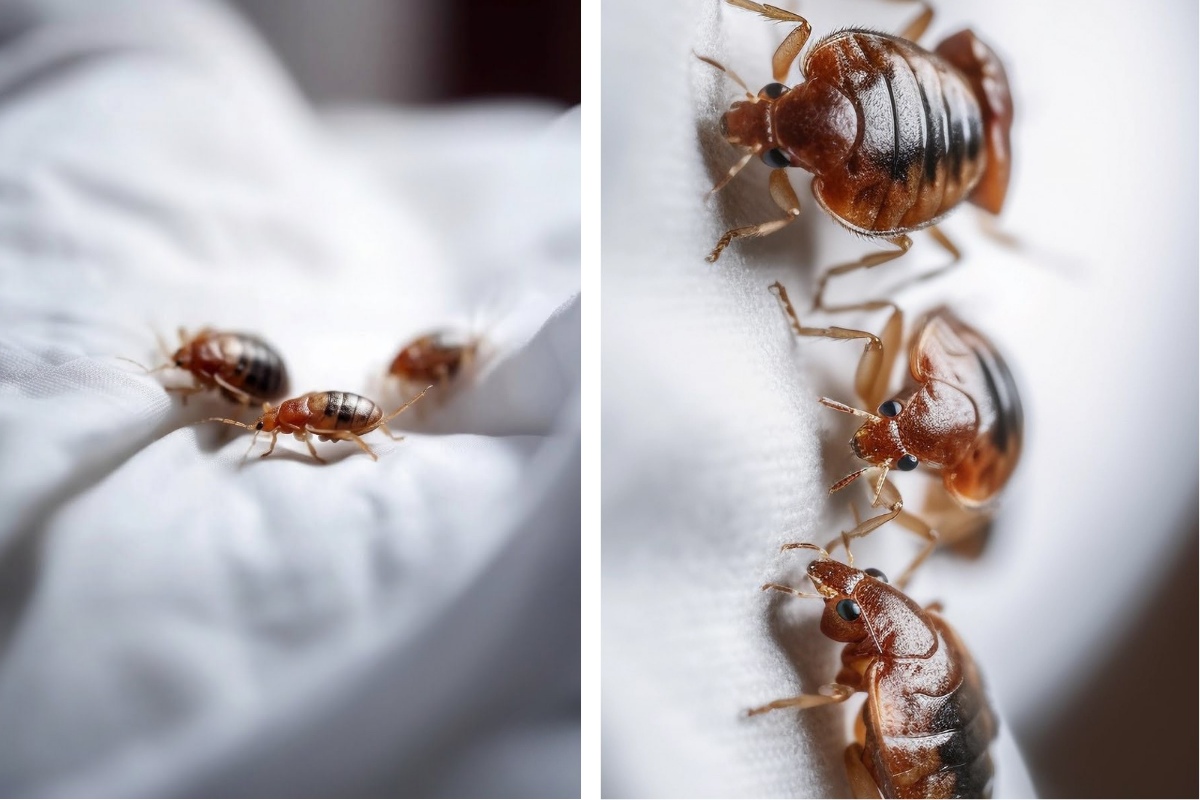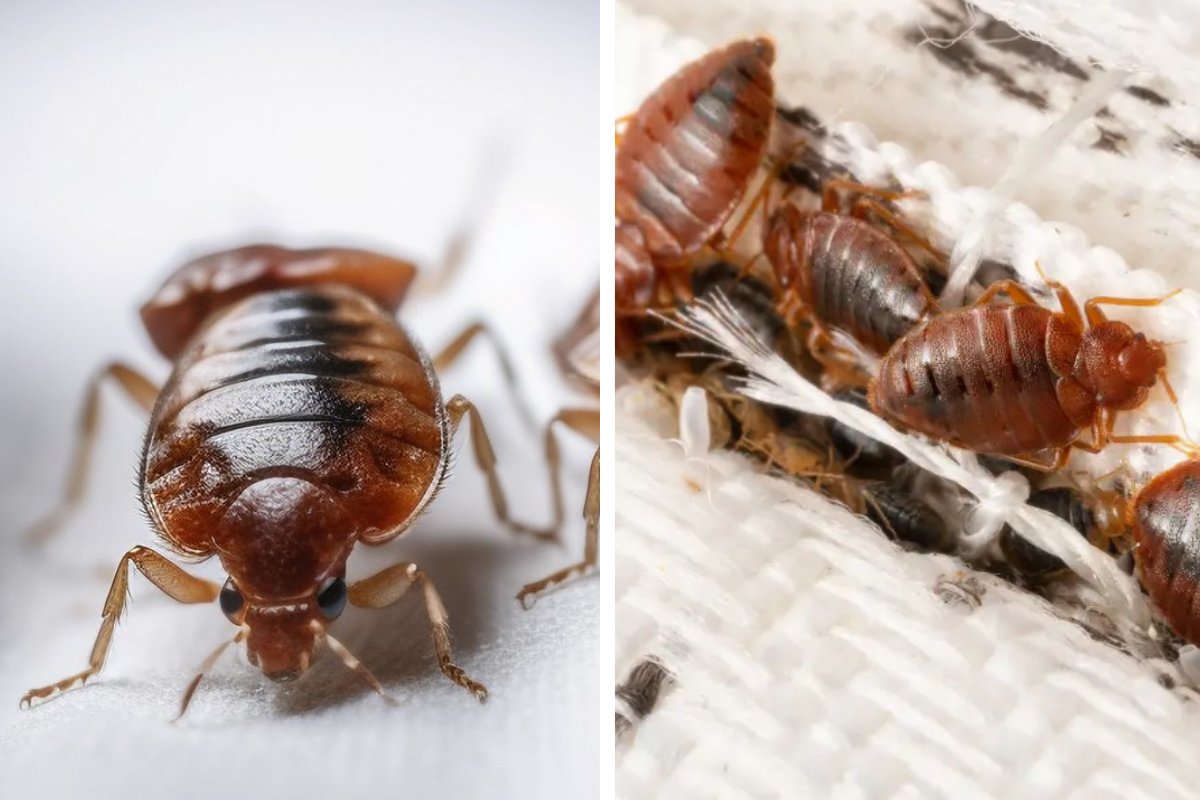
Alaska has not escaped the modern global rise in bed bug infestations, with reports increasing in both urban and rural communities. These tiny pests hitch rides on luggage, clothing, and second‑hand furniture, then thrive in apartments, hotels, and densely shared housing, making cities with high population turnover especially vulnerable. Public‑health agencies and tribal health organizations across the state have responded with targeted prevention, education, and treatment programs to slow the spread.
Anchorage: the state’s frontline
Anchorage, Alaska’s largest city, has become a focal point for bed bug activity due to its hotels, rental units, and transient population. The Municipality of Anchorage regulates landlords and property managers, requiring prompt reporting and action when bed bugs are found, and provides environmental‑health guidance for tenants and owners. Local health and pest‑control groups also promote heat treatments, mattress encasements, and professional inspection services to contain infestations.
Juneau: public‑housing and hospitality sectors under pressure
Juneau, the state capital, has seen growing bed bug complaints in rental apartments and guest‑oriented businesses. The Alaska Native Tribal Health Consortium (ANTHC) and local partners have introduced bed‑bug education and low‑cost treatment kits for residents, especially in high‑density housing. These efforts focus on early detection, sealing cracks, using heat or diatomaceous‑silica dust, and cleaning protocols to prevent re‑infestation.
Fairbanks: interior Alaska’s response
Fairbanks, the largest city in interior Alaska, faces bed bug challenges in dorm‑style housing, shelters, and multi‑unit buildings. The University of Alaska Fairbanks Cooperative Extension and local environmental‑health programs distribute fact sheets and conduct training for landlords and residents on signs of infestation and integrated pest management. Community‑based workshops and hot‑box or heat‑treatment pilot projects have helped some neighborhoods reduce widespread outbreaks.
Rural hubs: Nome, Bethel, and Utqiaġvik
Beyond the state’s main cities, rural hub communities such as Nome, Bethel, and Utqiaġvik (Barrow) have reported bed bug cases linked to shared housing and limited access to professional pest control. Bristol Bay Area Health Corporation and the Tanana Chiefs Conference have distributed “bed bug toolkit” supplies—mattress encasements, mattress‑leg traps, gloves, and desiccant dust—to dozens of villages across the region. These toolkits help residents slow infestations and prepare belongings for heat‑treatment once transport or local hot‑box units are available.
What residents can do
Alaska’s cities and villages are relying on coordinated public‑health campaigns, improved landlord regulations, and community‑driven prevention to combat the bed bug onslaught. Residents are encouraged to inspect hotel rooms, heat‑dry travel gear, use bed encasements, and notify managers immediately if they spot bites, dark spots, or shed skins. By combining early reporting, professional treatment, and sustained public‑health support, Alaska’s urban and rural centers aim to turn the tide on this persistent household invader.
SOURCES :
- https://alaskapublic.org/news/2016-05-17/bbahc-on-the-frontlines-against-bed-bugs-in-rural-alaska
- https://www.reddit.com/r/anchorage/comments/1dgmpca/any_apartment_complexes_that_arent_bedbug_infested/