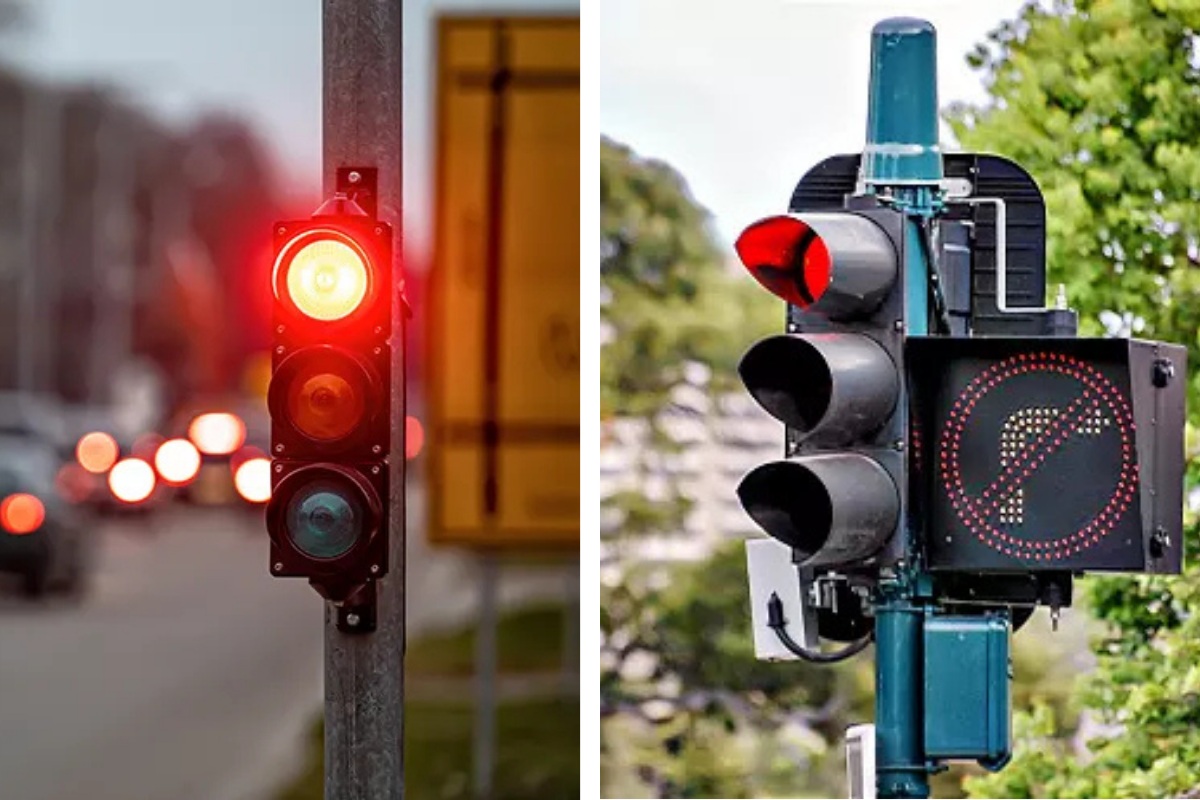
In Illinois, turning right on a red light is still legal in 2026 as long as you follow the state’s “stop‑and‑yield” rule and no sign or local ordinance forbids it. Right‑turn‑on‑red has been part of the Illinois Vehicle Code since the federal‑driven energy‑savings push of the 1970s, and it remains in force statewide unless a specific intersection is marked otherwise. Knowing the exact steps and exceptions can help you avoid traffic citations and dangerous conflicts at intersections.
What the Illinois Vehicle Code says
Under the Illinois Vehicle Code (625 ILCS 5/11‑306), any driver facing a steady red signal may cautiously enter the intersection to turn right, or to turn left from a one‑way street onto another one‑way street, after stopping as required. The law explicitly says that this right‑turn‑on‑red is allowed “unless a sign at such place prohibits” the turn.
Once you stop, you must:
- Yield to all oncoming traffic, including vehicles and bicycles, that are close enough to be an “immediate hazard.”
- Yield to pedestrians lawfully within the intersection or an adjacent crosswalk before completing your turn.
If you fail to yield after a lawful stop, you can still be cited for improper right‑on‑red behavior, even though the rule itself is not banned.
How to legally execute a right turn on red
To stay within the law in Illinois in 2026, follow this simple sequence:
- Come to a complete stop at the stop line, or before the crosswalk if no line is marked.
- Check for signs: If you see a “No Turn on Red,” “Stop‑and‑Yield,” or similar sign, you must wait for a green signal.
- Yield to pedestrians and cross traffic: Look left, right, and ahead for people crossing and oncoming vehicles, even if your lane is “clear.”
- Proceed only when safe: Enter the intersection and complete the turn at a reduced speed, keeping ready to stop again if something unexpected appears.
Illinois’ Department of Transportation emphasizes that drivers making a lawful right‑on‑red must still obey all other traffic‑safety rules, including passing‑stopped‑school‑bus requirements and red‑light‑camera zones.
Exceptions and local restrictions
Although Illinois generally allows right‑on‑red, some cities, villages, or school‑zone intersections impose tighter rules. For example:
- Certain intersections may have “No Turn on Red When Pedestrians Are Present” signs, which prohibit the turn if people are crossing, even though the light is red.
- A few municipalities may ban or restrict right‑on‑red in high‑pedestrian areas as part of Vision Zero or traffic‑safety programs.
If you are in a city like Chicago, Aurora, or another metro area, it is wise to watch for local signs and city‑specific ordinances, because violations can still be treated as regular traffic infractions with fines and points.
Safety and liability considerations in 2026
Right‑turn‑on‑red is a frequent source of crashes between vehicles and pedestrians or cyclists, especially in busy urban areas. Illinois follows a modified comparative‑negligence rule in injury cases: if a driver fails to yield while turning on red, that violation can be used as evidence of negligence and may reduce or eliminate the driver’s recovery of damages.
Policy debates in Illinois and nearby states have centered on whether to limit or eliminate right‑on‑red turns to reduce pedestrian fatalities. However, as of early 2026, Illinois still retains the right‑turn‑on‑red framework, with the expectation that drivers follow the “stop‑and‑yield” rule carefully.
Practical takeaways for drivers
For Illinois drivers in 2026, the key points are:
- Turning right on red is legal unless a sign or local rule prohibits it.
- You must stop fully, yield to pedestrians and cross traffic, and proceed only when safe.
- Watch for local signs and city‑specific bans, especially around schools, downtowns, and busy transit corridors.
Right‑turn‑on‑red can save time and reduce idling, but it also demands extra caution; treating every red‑light right‑turn as a high‑risk decision will keep you within the law and off the wrong side of an accident report.
Sources
- (https://allowedhere.com/legality/right-turn-on-red/illinois/)
- (https://www.illinoisdriverslicensereinstatementlawyer.com/practice-areas/traffic-ticket-defense/running-a-red-light-or-stop-sign/)
- (https://idot.illinois.gov/travel-and-maps/safety/campaigns/share-the-road.html)
- (https://www.illinoisdriverslicensereinstatementlawyer.com/practice-areas/traffic-ticket-defense/running-a-red-light-or-stop-sign/)