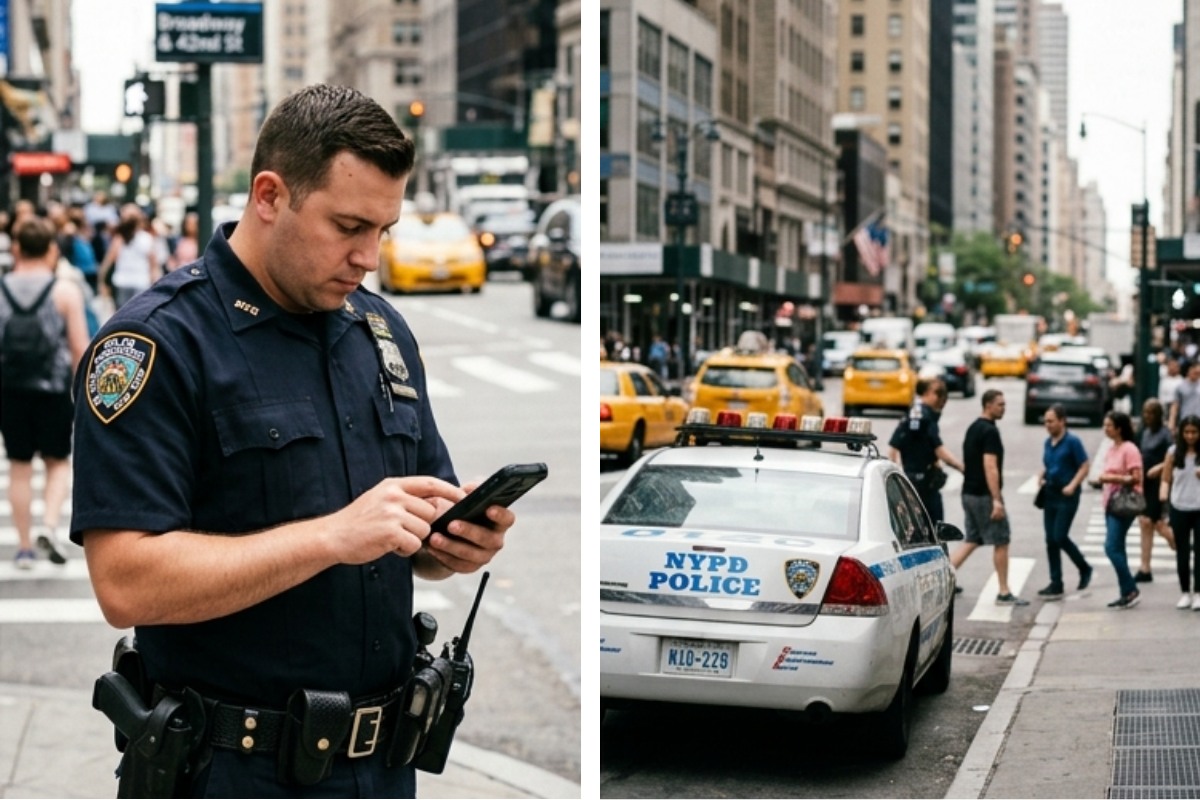
Utah police generally cannot search your phone during a routine traffic stop without a warrant, consent, or specific legal exceptions. This protection stems from the Fourth Amendment and Utah’s pioneering 2019 Electronic Information or Data Privacy Act, which mandates warrants for accessing electronic data.
These rules safeguard digital privacy amid escalating phone data volumes, ensuring stops for speeding or signals don’t escalate to invasive searches. Tenants—er, drivers—hold strong rights here.
Fourth Amendment Baseline
The U.S. Supreme Court’s Riley v. California (2014) ruled warrantless cell phone searches incident to arrest unconstitutional, given devices’ vast personal info. Utah codified this aggressively via Utah Code § 77-23c-102, barring police from accessing stored data, location, or transmissions without judicial approval.
During traffic stops, officers need probable cause—like visible evidence of a crime—to even seize your phone temporarily. Mere presence doesn’t justify it; asking for consent is common, but you can refuse politely: “Officer, I do not consent to any searches.”
Exigent circumstances (e.g., imminent evidence destruction) rarely apply at routine stops, and courts scrutinize claims post-hoc.
Utah’s Strict Warrant Requirement
Utah led the nation as the first state requiring warrants for all electronic device searches, even at crime scenes. Police must show probable cause to a judge, detailing suspected crimes and evidence likely on the device.
Even with a warrant, you cannot be compelled to unlock via passcode—Utah Supreme Court affirmed Fifth Amendment self-incrimination protections in 2023. Biometrics (fingerprint/face ID) might force access technically, so disable them preemptively.
For traffic stops, warrants take hours; officers can’t wait idly. Refusal prompts inventory if arrested, but contents stay locked pending approval.
Traffic Stop Specifics
Stops under Utah Code § 41-6a-1716 (distracted driving) or routine violations limit police to vehicle exteriors and plain-view items. Phones inside? Untouchable without cause.
- Consent requests: Decline verbally—silence isn’t refusal.
- Handing over phone: Avoid; keep it powered off if worried.
- Arrest escalates: Still needs warrant for contents, per Riley.
- DUI suspicion: Breath tests OK, but phone data requires separate justification.
Salt Lake City guides confirm: pat-downs for weapons only, vehicle searches need probable cause or consent.
Exceptions Where Searches Happen
These carve-outs demand scrutiny; invalid ones lead to suppression motions.
Practical Rights During Stops
Stay calm, provide license/registration/insurance. For phone questions: “I invoke my rights under Utah Code 77-23c and the Fourth Amendment.” Film interactions (legal in public).
Post-stop, note details for lawyers. Unlawful searches? Evidence gets tossed via motions, potentially dismissing cases.
Utah’s laws exceed federal baselines—no remote pings or stingrays sans warrant.
Penalties for Overreach and Recourse
Illegal searches violate rights, opening civil suits under § 1983 for damages. Criminal cases see suppressed evidence, weakening prosecutions.
Contact firms like Overson Law immediately—timely challenges preserve defenses. 2026 sees no rollbacks; privacy endures.
Why Utah Stands Out
Beehive State’s reforms counter national surveillance trends, prioritizing citizens over convenience. Traffic stops stay brief, focused—phones safe absent crime ties.
Know your rights: refuse, record, retain counsel. Drive confidently.
Sources
- (https://www.utahcriminallaw.net/can-the-utah-police-search-your-phone-without-a-warrant/)
- (https://www.utahcriminallaw.net/how-to-protect-your-digital-privacy-during-an-arrest-in-utah/)
- (https://www.utahcriminallaw.net/how-to-protect-your-digital-privacy-during-an-arrest-in-utah/)