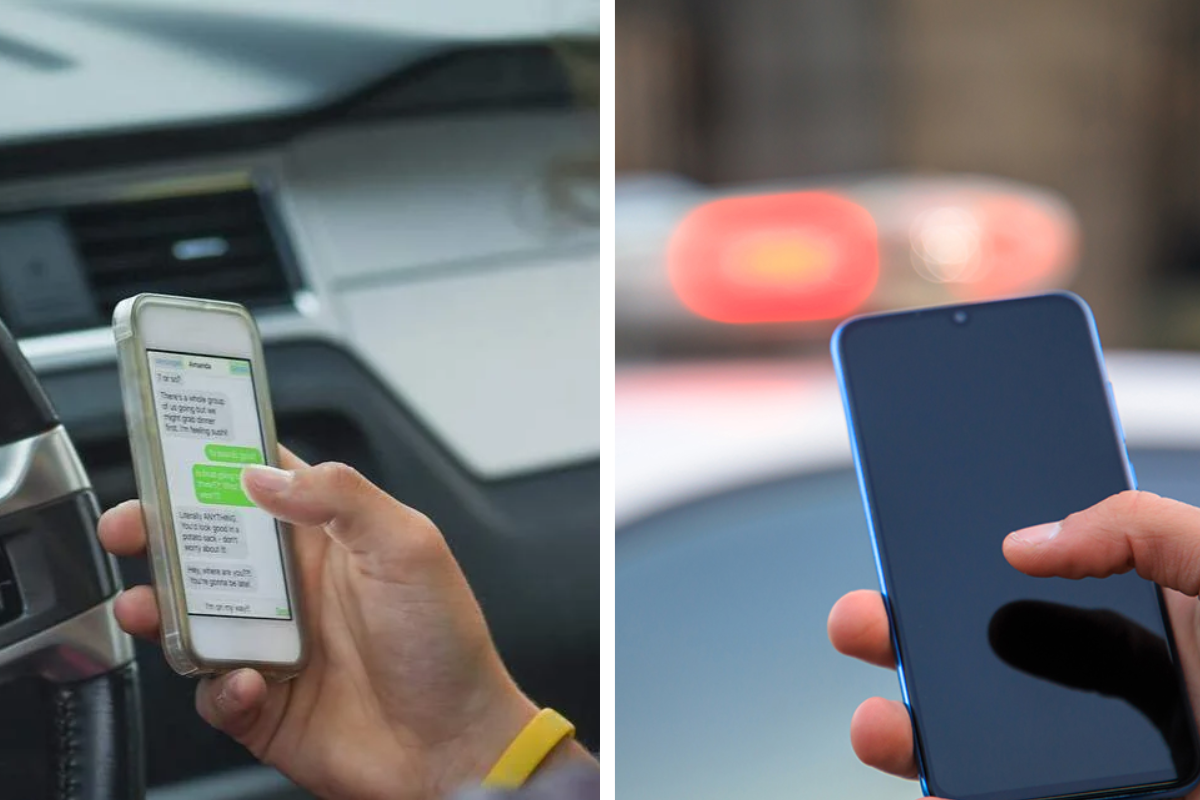
In Rhode Island, police generally cannot search the contents of your phone during a routine traffic stop without a warrant, your consent, or a recognized exception to the warrant requirement. However, the details—especially whether you’re just being stopped, detained, or actually arrested—make a big difference in what officers are allowed to do.
When police can’t search your phone
Under the U.S. Supreme Court’s decision in Riley v. California (2014), police generally need a warrant to search the data on a cell phone, even when that phone is seized from someone they arrest. Rhode Island courts follow this rule, meaning that if you are pulled over for a minor traffic violation and not arrested, officers cannot lawfully unlock and scroll through your phone just because they want to.
You also have the right to refuse consent to a search of your phone or vehicle. If an officer asks to look at your phone and you say “no,” they cannot use that refusal as grounds to automatically arrest you or escalate the stop, unless they already have other lawful grounds (like probable cause or a warrant).
When a search may be allowed
Police can search your phone during a traffic‑related stop if:
- They have a valid warrant authorizing the search, often tied to a separate investigation (for example, a warrant for evidence of cyberharassment or threats).
- You are lawfully arrested and the phone is on your person or in the passenger compartment, and the search falls under the “search incident to arrest” exception, especially if the phone is directly tied to the crime (such as a phone used to make threatening calls).
- There is a recognized emergency exception, such as a genuine belief that someone is in immediate danger and the phone contains time‑sensitive evidence (like a location or threat message), though this is narrow and must be justified.
Practical tips if stopped in Rhode Island
- If an officer asks to search your phone, you may politely say, “I do not consent to a search of my phone.”
- If you are arrested, anything you say can be used against you, but you still have the right to remain silent and to ask for a lawyer.
- If law‑enforcement later searches your phone without a warrant or other valid exception, a defense attorney may be able to file a motion to suppress that evidence in court.
SOURCES :
- https://rilawyersweekly.com/blog/2025/11/17/fourth-amendment-phone-seizure-probable-cause-dismissal/
- https://traffictribunal-ri.org/topics/refusal-to-submit/reasonable-suspicion-to-stop/