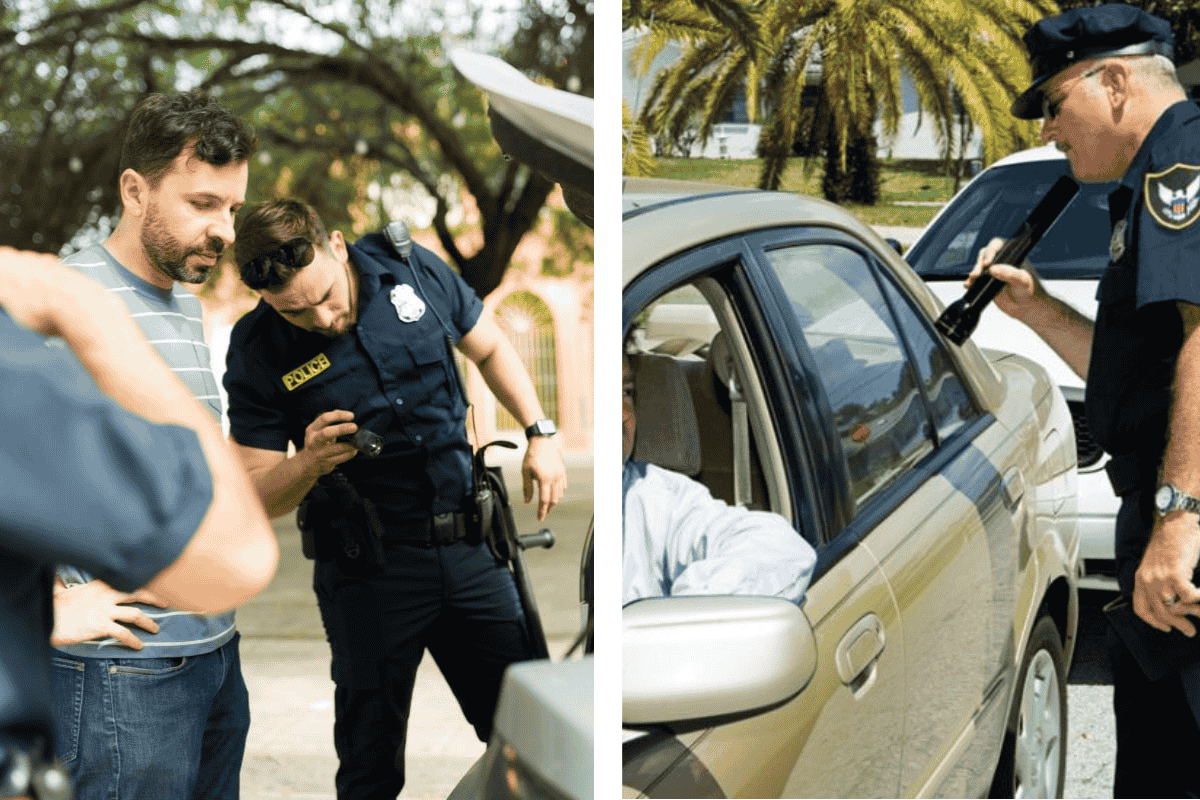
No, Maryland police cannot search your phone during a routine traffic stop without your consent, a warrant, or specific exigent circumstances like imminent evidence destruction. The Fourth Amendment protects against unreasonable searches, and phones contain vast personal data, requiring heightened justification per federal and state precedents.
Traffic Stop Authority Limits
Stops must stem from reasonable suspicion of a violation, like speeding or—post-2026 Supreme Court ruling—more than mere phone touching (State v. Stone held “manipulating” a screen alone insufficient without specifics indicating texting).
Officers can request license, registration, and insurance, but phone access demands probable cause (e.g., visible drug evidence linking to device) or consent. Inventory searches of impounded vehicles don’t extend to unlocked phones absent warrants.
Fourth Amendment Protections
Riley v. California (2014 U.S. Supreme Court) mandates warrants for cell phone searches incident to arrest, recognizing digital privacy. Maryland follows: no “search incident to stop” exception for phones during minor infractions. Consent must be voluntary—not coerced by prolonged detention—and you can revoke it anytime.
Exceptions Allowing Access
- Consent: Politely decline: “Officer, I do not consent to searches.” They may pressure but can’t force without cause.
- Plain View/Probable Cause: Illegal content visible (e.g., screen showing child exploitation) justifies seizure/warrant.
- Exigent Circumstances: Rare, like active bomb threat via phone.
- Arrest: Even then, warrant needed unless phone unlocked and evidence imminent (e.g., remote wipe).
| Scenario | Search Allowed? | Requirements |
|---|---|---|
| Routine Stop (e.g., taillight) | No | Consent or warrant only |
| Suspected DUI/Drugs Visible | Possible | Probable cause + warrant |
| Phone in Plain View (Unlocked) | Limited | No deeper search without warrant |
| Post-Arrest | No routine | Riley doctrine applies |
| Border Stop (Rare in MD) | Broader | Separate federal rules |
Officer Tactics and Rights
Expect requests to “check for warrants” or sobriety apps—decline non-consensually. Prolonged stops (>20-30 min without reason) violate Rodriguez v. U.S. (2015). Record interactions (legal in MD, one-party consent); say “This is a citizen recording.” If detained, ask “Am I free to go?” Silence can’t be used against you.
Practical Steps During Stops
Lock/turn off phone before handing over docs. Use passcode (not biometrics—unlockable by force). If seized, demand inventory receipt and warrant timeline (usually 48 hours). Post-stop, contact ACLU-MD or attorney; suppress illegal evidence via motion.
Maryland-Specific Updates
2026 cell phone rulings (TR §21-1124) tightened stop thresholds but didn’t alter search rules—focus remains Fourth Amendment rigor. No state statute authorizes routine phone dumps; AG opinions reinforce warrants. Dashcams/bodycams aid challenges.
Consequences of Illegal Searches
Evidence from warrantless phone dives gets suppressed (fruit of poisonous tree). Civil suits possible under §1983 for violations, with settlements averaging $25K+. Stay calm, know rights—most stops end without escalation.
SOURCES:
- https://www.mdcourts.gov/data/opinions/coa/2026/16a25.pdf
- https://www.marylandinjuryattorneyblog.com/maryland-supreme-court-decision-on-cell-phone-use-while-driving-impacts-traffic-stops/