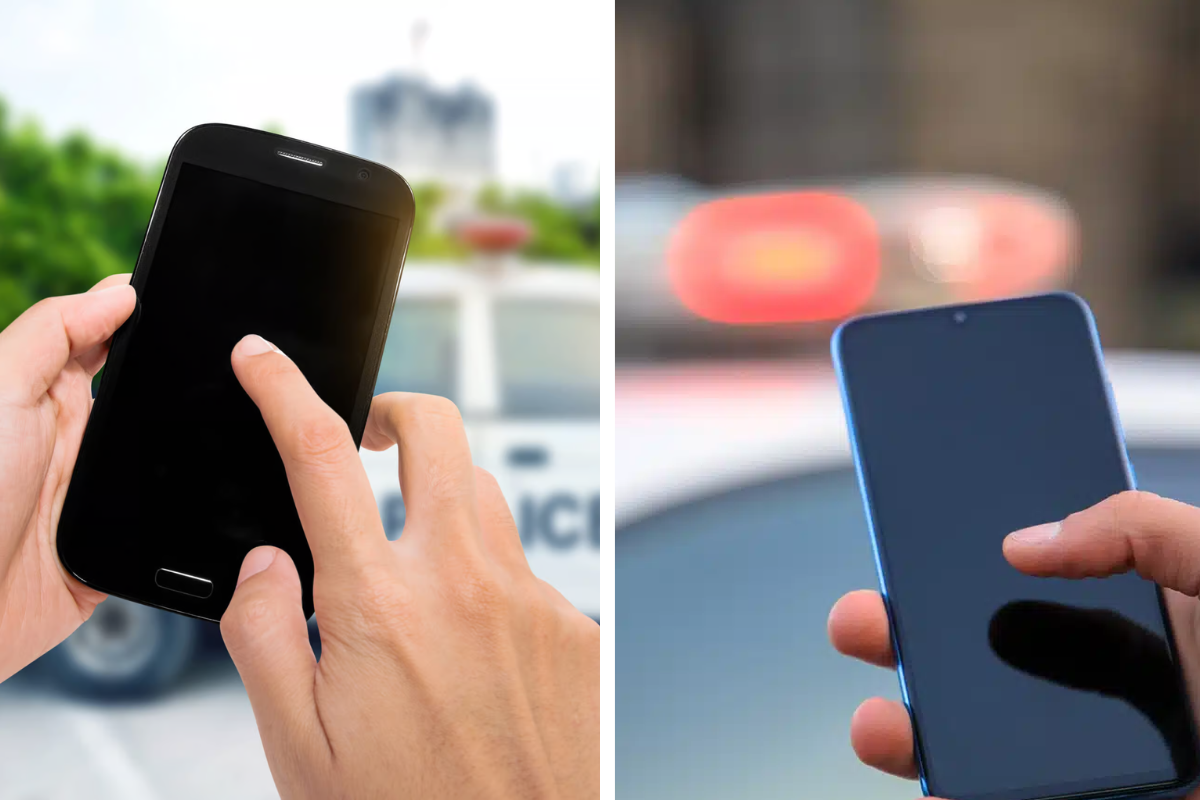
Maine police generally cannot search your phone during a routine traffic stop without your consent or a warrant. The Fourth Amendment protects against unreasonable searches, extending to digital devices like cell phones, as affirmed in Riley v. California.
Fourth Amendment Protections
The U.S. Constitution’s Fourth Amendment shields you from warrantless searches of your phone’s contents during traffic stops. Supreme Court precedent requires specific probable cause and a judicial warrant for cell phone data, unlike simpler vehicle searches.
Maine follows this nationally, with no state exception allowing automatic phone access. Officers need articulable facts suggesting evidence of a crime on the device.
Consent and Exceptions
Police may ask for permission to search your phone, but you can refuse without legal penalty. Consent must be voluntary; coercion invalidates it in court.
Limited exceptions include:
- Plain view evidence (e.g., screen visible during stop).
- Inventory search post-arrest.
- Exigent circumstances like imminent destruction of evidence.
If arrested, they can seize the phone but still need a warrant for contents.
Traffic Stop Protocols
Stops require reasonable suspicion of a violation, like speeding or phone use under Maine’s hands-free law (29-A §2121). Officers can check license, registration, and run checks but not demand your unlocked phone.
Maine’s hands-free statute prohibits handheld device use while driving, even at stops, unless mounted—yet this doesn’t justify phone searches.
Location Data Specifics
Maine law mandates warrants for cell phone location tracking, real-time or historical, except emergencies. Notification follows within days, barring investigative need.
What to Do During a Stop
Stay calm, provide required documents, and politely decline search requests: “I do not consent to searches.” Ask if you’re free to go before further questions.
Record interactions if safe. If rights feel violated, note details for a lawyer—motions to suppress can dismiss cases from illegal searches.
SOURCES :
- https://mywaynecountynow.com/lander?oref=https%3A%2F%2Fwww.perplexity.ai%2F
- https://www.computerworld.com/article/1404516/maine-may-be-first-state-to-require-a-warrant-for-cell-phone-tracking.html