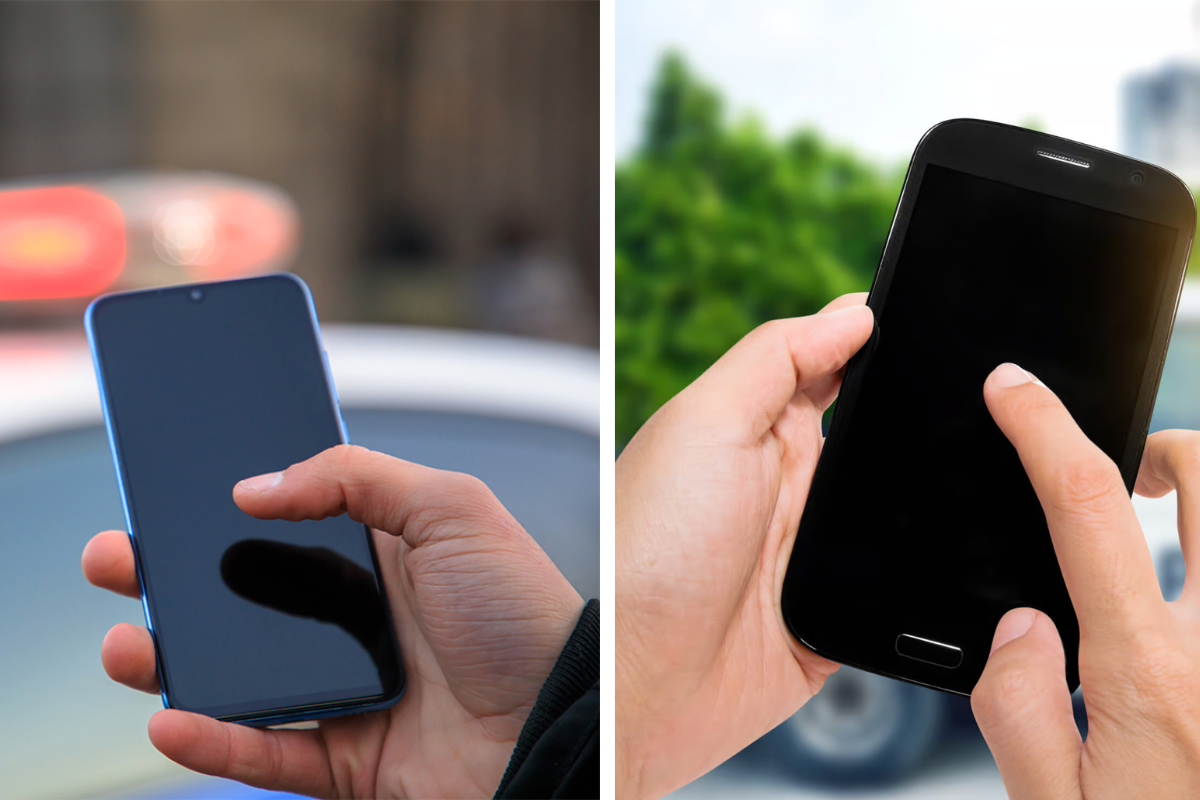
No—under Illinois and federal law, police generally cannot search your phone during a routine traffic stop without a warrant or your consent. A phone is treated as highly private, and courts have repeatedly recognized that officers usually need judicial approval before looking through its contents.
What The Law Says
The key rule is simple: police may stop you for a traffic violation, but that does not automatically give them access to your phone. In most situations, officers need either a warrant, your voluntary consent, or a narrow emergency exception before they can search text messages, photos, call logs, apps, or other data on the device.
Illinois legal guidance also makes clear that while distracted driving laws restrict phone use while driving, those laws do not create a free pass for police to inspect your device on the spot. The traffic-law issue and the search-and-seizure issue are separate questions.
When A Search Can Happen
There are a few exceptions. If you clearly give consent, police may use that permission to search your phone, and consent can be inferred if you hand it over and unlock it for them. If officers arrest you, they may seize the phone as evidence, but they still usually need a warrant before searching its digital contents. In a true emergency, such as an immediate threat to life or destruction of evidence, a limited warrantless search may be argued, but that is not the normal traffic-stop situation.
What To Do
If an officer asks for your phone, you can politely refuse consent. A calm response such as, “I do not consent to a search of my phone,” is usually the safest approach because it clearly preserves your objection. Do not argue or physically resist, and do not unlock the phone unless you intend to allow access. If the officer takes the device, ask whether you are free to leave and whether there is a warrant.
Practical Bottom Line
For an ordinary Illinois traffic stop, the police can usually ask for your license, registration, and proof of insurance, but not your private phone contents without legal authority. The strongest rule to remember is that your phone is protected much like other personal property, and officers generally need a warrant before browsing it.
No—under Illinois and federal law, police generally cannot search your phone during a routine traffic stop without a warrant or your consent. A phone is treated as highly private, and courts have repeatedly recognized that officers usually need judicial approval before looking through its contents.
What The Law Says
The key rule is simple: police may stop you for a traffic violation, but that does not automatically give them access to your phone. In most situations, officers need either a warrant, your voluntary consent, or a narrow emergency exception before they can search text messages, photos, call logs, apps, or other data on the device.
Illinois legal guidance also makes clear that while distracted driving laws restrict phone use while driving, those laws do not create a free pass for police to inspect your device on the spot. The traffic-law issue and the search-and-seizure issue are separate questions.
When A Search Can Happen
There are a few exceptions. If you clearly give consent, police may use that permission to search your phone, and consent can be inferred if you hand it over and unlock it for them. If officers arrest you, they may seize the phone as evidence, but they still usually need a warrant before searching its digital contents. In a true emergency, such as an immediate threat to life or destruction of evidence, a limited warrantless search may be argued, but that is not the normal traffic-stop situation.
What To Do
If an officer asks for your phone, you can politely refuse consent. A calm response such as, “I do not consent to a search of my phone,” is usually the safest approach because it clearly preserves your objection. Do not argue or physically resist, and do not unlock the phone unless you intend to allow access. If the officer takes the device, ask whether you are free to leave and whether there is a warrant.
Practical Bottom Line
For an ordinary Illinois traffic stop, the police can usually ask for your license, registration, and proof of insurance, but not your private phone contents without legal authority. The strongest rule to remember is that your phone is protected much like other personal property, and officers generally need a warrant before browsing it.
SOURCES :
- https://bowtielaw.com/2009/11/11/dont-text-drivebut-can-the-police-search-your-cell-phone-at-the-traffic-stop/
- https://www.cosleycriminaldefense.com/criminal-blog/can-police-search-phone