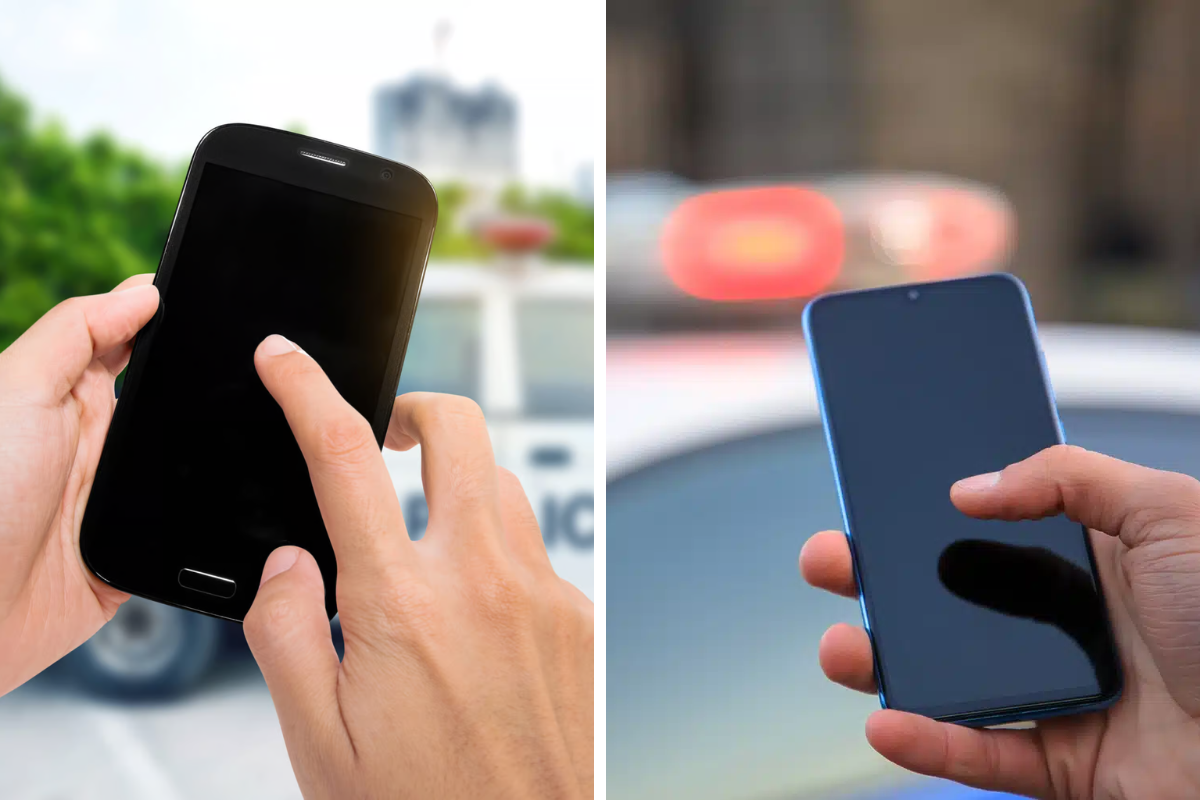
California police generally cannot search your phone during a routine traffic stop without a warrant or an exception like consent. This protection stems from the Fourth Amendment and key Supreme Court rulings. Here’s a breakdown of the law.
Fourth Amendment Basics
The Fourth Amendment guards against unreasonable searches and seizures, requiring police to obtain a warrant based on probable cause before searching personal property like cell phones.
During traffic stops, which are treated as temporary detentions, officers need reasonable suspicion for the stop itself, such as speeding or a broken taillight, but this alone doesn’t justify phone access. Cell phones hold vast personal data—texts, photos, location history—making them far more private than wallets or cigarette packs.
Riley v. California Ruling
In the 2014 landmark case Riley v. California, the U.S. Supreme Court unanimously held that warrantless searches of a phone’s digital contents incident to arrest violate the Fourth Amendment. The case began with a San Diego traffic stop for expired tags, leading to guns found in the impounded car and a subsequent phone search revealing gang ties.
Chief Justice Roberts emphasized phones store “the privacies of life,” distinguishing them from physical items under Chimel v. California precedents. This applies nationwide, including California, even in non-arrest traffic stops.
Exceptions to the Warrant Rule
Police can search without a warrant if you consent voluntarily—politely say “I do not consent” to avoid this. Other rare exceptions include exigent circumstances, like imminent harm or evidence destruction, but these rarely apply to routine stops.
Officers may seize the phone temporarily if probable cause exists, but must seek a warrant promptly; they can’t force unlocks via fingerprint without one. Vehicle searches have looser rules under the automobile exception (probable cause suffices), but phones remain protected.
Your Rights During a Stop
Remain calm, provide license/registration/insurance, but assert your rights clearly without arguing. You can refuse phone access or unlocking—it’s not required and isn’t probable cause for arrest. If arrested, invoke silence and request a lawyer; illegal searches can lead to evidence suppression via a motion to suppress. California’s CalECPA (Penal Code §1546) adds protections against warrantless device access, with limited exceptions.
What If They Search Anyway?
Illegally obtained evidence is often inadmissible, potentially dismissing charges. Contact a criminal defense attorney immediately to challenge the search, especially if no arrest occurred pre-search. Recent cases affirm good-faith exceptions are narrow, prioritizing warrants. Knowing these rules empowers you—routine stops aren’t fishing expeditions into your digital life.
SOURCES :
- https://www.thewebbfirm.com/posts/can-police-search-your-phone-during-traffic-stop/
- https://thenieveslawfirm.com/when-can-police-search-your-car/