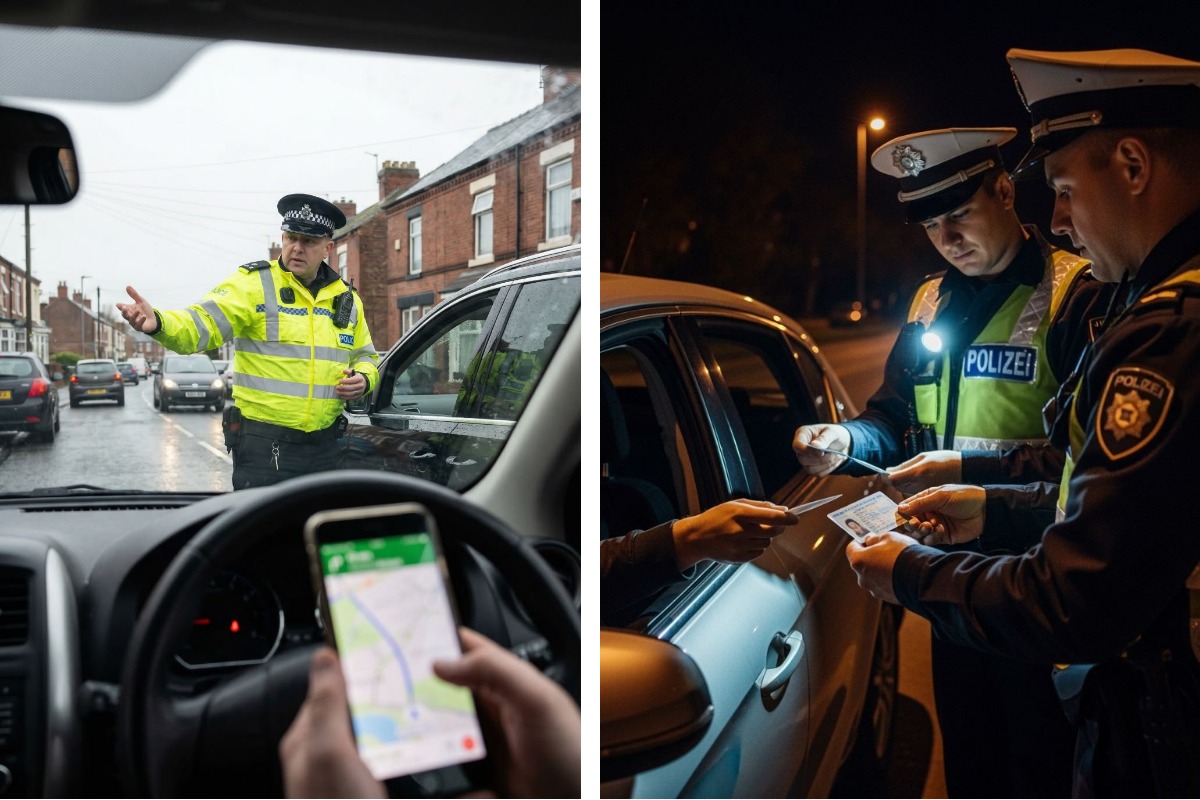
In Alaska, police generally cannot search the contents of your phone during a routine traffic stop unless you consent, they have a warrant, or a limited exception such as “exigent circumstances” applies.
The state follows the U.S. Supreme Court’s ruling in Riley v. California (2014), which held that cell phones enjoy strong Fourth Amendment protection because they contain vast amounts of private data, and officers usually must get a warrant to search them.
That framework applies in Alaska just as it does in most other states, though local courts and statutes can add extra protections or nuances.
When police can and cannot search your phone
Under normal circumstances, an Alaska trooper or officer cannot simply demand your phone and scroll through your messages, photos, or apps while you are pulled over for a traffic violation.
The Fourth Amendment requires “reasonable” searches and seizures, and the contents of a modern smartphone are treated as a sensitive digital “area” that generally demands a warrant if there is time to obtain one.
Alaska courts have not carved out a special rule allowing warrantless cell‑phone searches in routine traffic stops, so the default is that your phone is protected unless an exception applies.
Common exceptions include:
- Consent: If you voluntarily agree to let an officer look at your phone, they can search it without a warrant. You can always refuse consent and say no, even if an officer asks politely.
- Arrest‑related searches and “exigent circumstances”: If you are arrested and the officer has a warrant or there is a serious, immediate threat (for example, credible evidence that someone’s life is in danger), a court may allow a warrantless or emergency search of your phone. However, this is narrow and cannot be used as a blanket excuse during every traffic stop.
- Seizure versus search: Police in Alaska may sometimes seize your phone if they believe it holds evidence, but they usually still need a warrant to meaningfully search the data inside unless one of those exceptions fits.
Practical rights and what to do
During a traffic stop in Alaska, you can:
- Politely refuse to let an officer search your phone.
- Decline to give your password or passcode; you generally do not have to help unlock the device.
- Ask if you are free to go, and if you are not, ask whether they have a warrant to search your phone.
If an officer persists without a warrant or clear exception, you should comply with lawful orders (such as staying in the vehicle or providing identification) but make it clear that you do not consent to a search of your phone. Any evidence later obtained from an unlawful search may be challenged in court and potentially suppressed.
How Alaska compares to other states
Alaska’s approach lines up with the majority of states that require a warrant or clear exception before officers can dig into your phone’s contents.
A few states have passed or interpreted laws to allow more aggressive device‑search practices, but Alaska has not created a broad exception for traffic‑stop phone searches.
Instead, it follows the national trend: police can ask, but they cannot usually demand or force access without a warrant or your permission.
Bottom line
Can Alaska police search your phone during a traffic stop? Only if you consent, they have a warrant, or a narrow, fact‑specific exception (like an emergency or lawful arrest‑related search) applies.
Otherwise, the contents of your phone are protected by the Fourth Amendment, and you have the right to refuse a warrantless search. Knowing and calmly asserting this right can help protect your privacy while still complying with the law.
Sources:
- https://alaskabar.org/youth/wp-content/uploads/2018/04/Law_Enforcement_and_Crime.pdf
- https://www.govtech.com/public-safety/can-police-search-your-phone-during-a-traffic-stop
- https://www.youtube.com/watch?v=zp-jQyRWgbU