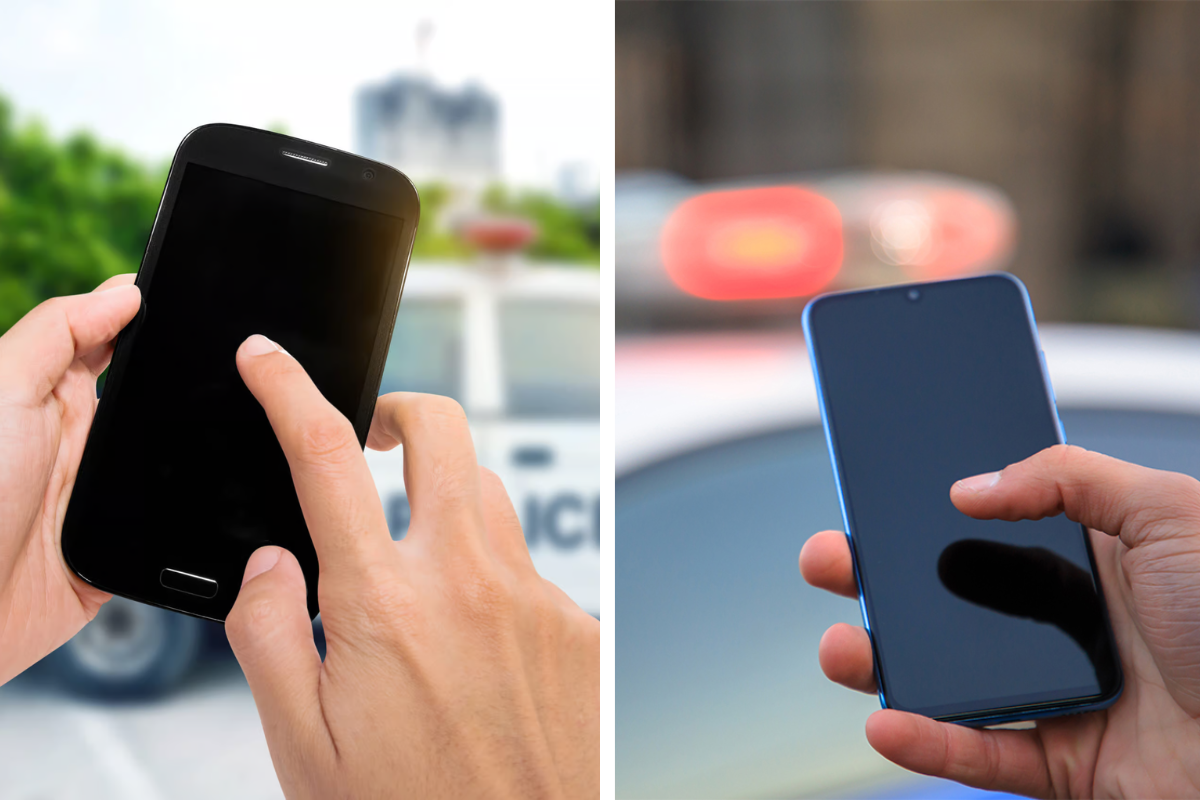
No, Alabama police generally cannot search your phone during a traffic stop without a warrant, consent, or specific legal exceptions. The Fourth Amendment and Supreme Court precedents like Riley v. California (2014) protect digital privacy, requiring heightened justification for phone searches.
Traffic Stop Basics
Alabama follows federal standards under Terry v. Ohio and state code §15-5-30, allowing stops for reasonable suspicion of violations like speeding. Officers can request ID, check for warrants, and order you out of the vehicle, but investigations must stay brief.
Phone access exceeds a routine stop’s scope—no “search incident to arrest” applies unless you’re formally arrested first.
Fourth Amendment Protections
The U.S. Supreme Court in Riley ruled unanimously that cell phones hold vast personal data, demanding warrants for searches post-arrest. Alabama courts uphold this; traffic stops alone don’t justify unlocking or browsing your device.
Exceptions include:
- Consent: Voluntarily agreeing (you can refuse).
- Plain view: Criminal evidence visible without manipulation.
- Exigent circumstances: Imminent destruction of evidence or emergency.
- Incident to arrest: Only after custody, and still warrant-preferred.
Alabama-Specific Rules
State law mirrors federal limits—no statute authorizes phone searches during stops. Code §32-5A governs traffic enforcement, focusing on vehicles, not electronics.
Probable cause (e.g., drug odor) might justify vehicle searches but not your phone without escalation.
Practical Scenarios
What to Do During a Stop
Stay calm, provide license/registration/insurance, and assert rights: “Officer, I respectfully decline to consent to any searches.” Silence isn’t admission—Miranda kicks in if detained.
Film interactions (legal in public). If searched illegally, evidence may get suppressed as “fruit of the poisonous tree.”
Consequences of Violations
Illegal searches lead to motions to suppress, potentially dismissing cases. Civil suits under §1983 are options for egregious rights violations.
Consult an attorney immediately if your phone was accessed—timely challenges preserve defenses.
SOURCES :
- https://johntottenlaw.com/when-is-a-police-search-illegal-in-alabama-5-things-the-fourth-amendment-protects/
- https://www.instagram.com/reel/DR439y6EcSH/