California drivers are facing significant changes to driver’s license renewal requirements as state agencies roll out updated rules aimed at improving safety, modernizing the process, and tightening enforcement. While the core timeline for renewal remains largely the same, new emphasis on identity verification, in-person renewals for older drivers, and updated fees has created confusion for many motorists.
What’s Changing for Driver’s License Renewals
The most noticeable change is stricter enforcement of renewal deadlines and clearer consequences for driving with an expired license. Drivers must now pay closer attention to expiration dates and renewal notices, as the state has reduced leniency for late renewals.
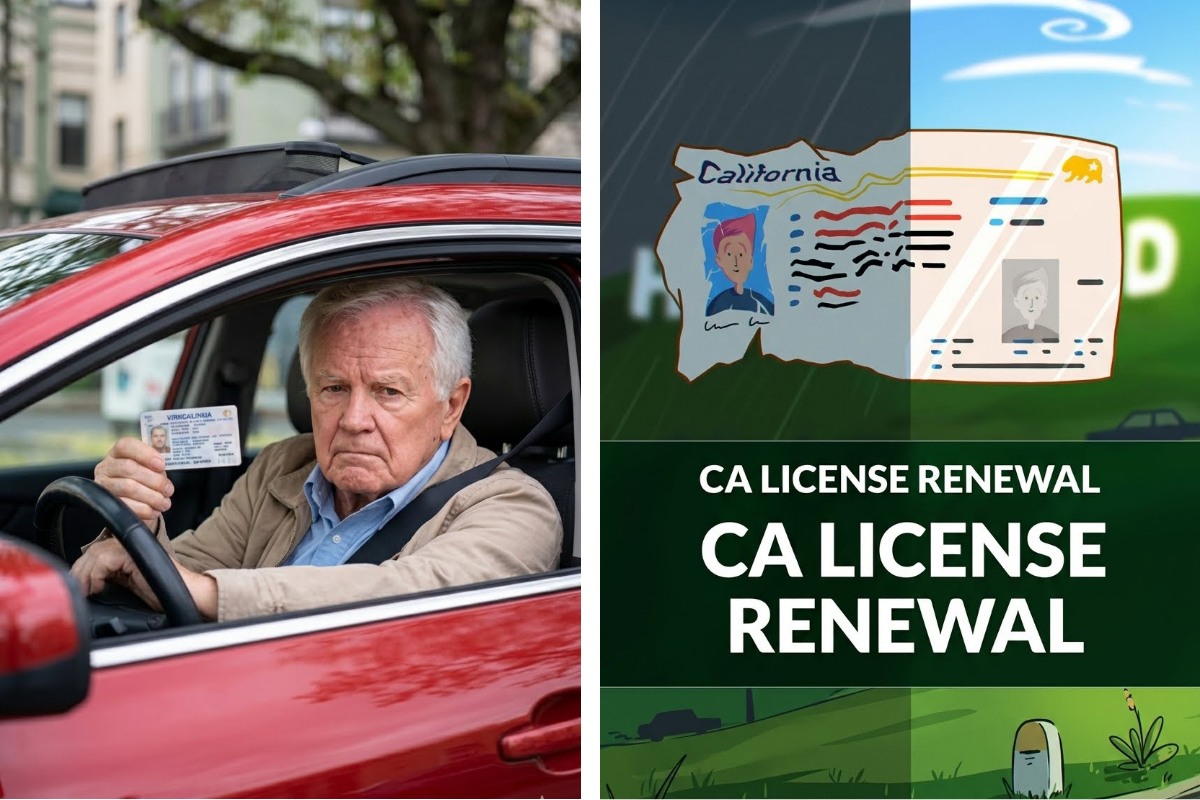
For drivers age 70 and older, the requirement to renew in-person has returned after a pandemic-era pause. This means older drivers can no longer renew by mail or online and must visit a DMV office or complete a vision exam as part of the renewal process.
Renewal Timeline and Who Can Renew Online
Most California drivers can renew their license up to six months before it expires. The DMV typically sends renewal notices by mail about 60 days before expiration, encouraging drivers to study the California Driver Handbook before renewing.
Many drivers under age 70 who have not previously had certain violations or medical conditions may still qualify for online renewal. However, the DMV has tightened eligibility criteria, requiring more drivers to visit a DMV office for in-person verification of identity, residency, and legal presence.
New Requirements for Older Drivers
Drivers aged 70 and older must now renew in person and pass a vision test. This requirement has been reinstated after being temporarily suspended during the pandemic, reflecting the state’s renewed focus on road safety for aging drivers.
The in-person renewal process ensures that older drivers are physically and visually capable of operating a vehicle safely. DMV staff may also ask additional questions about health conditions or medications that could affect driving ability.
Fees and Late Renewal Penalties
Renewal fees remain in place, but late renewals now carry clearer penalties. If a driver renews after the expiration date, they may face additional fines and could be considered driving with an invalid license until the renewal is processed.
The state encourages drivers to renew early to allow for processing time and avoid lapses in validity. Driving with an expired license can result in citations and may complicate insurance claims or legal situations.
Why the Overhaul Matters
These changes reflect California’s broader effort to modernize driver licensing while improving road safety. Stricter identity verification helps prevent fraud, and requiring in-person renewals for older drivers ensures that high-risk groups are properly evaluated.
For everyday drivers, the key takeaway is to monitor expiration dates closely, respond promptly to renewal notices, and be prepared to visit a DMV office if you no longer qualify for online renewal.
Drivers who delay renewal risk fines, invalid coverage, and potential legal trouble. The state’s message is clear: treat your license renewal as a priority, not an afterthought.
Practical Tips for California Drivers
- Check your license expiration date well in advance and mark your calendar.
- Reply to your DMV renewal notice as soon as it arrives.
- If you are 70 or older, plan to visit a DMV office and bring documents proving identity and residency.
- Study the California Driver Handbook before renewing, especially if you have had recent violations.
- Avoid driving with an expired license, as enforcement is stricter and penalties are clearer than before.
Sources:
- (https://www.youtube.com/watch?v=On1ePO5KB7Y)
- (https://www.youtube.com/watch?v=On1ePO5KB7Y)