The Strait of Hormuz, a vital maritime passage for global energy trade, has become a critical focal point in the ongoing U.S.-Israel war against Iran. As Iran’s control over the waterway tightens, countries heavily reliant on energy exports from the strait are scrambling to find solutions to reopen it, while grappling with the broader economic and humanitarian consequences of its closure.
The United Kingdom Leads Diplomatic Efforts
In an effort to address the growing crisis, the United Kingdom convened 41 countries on Thursday to discuss plans for reopening the Strait of Hormuz. The meeting placed the blame on Iran, accusing Tehran of holding the global economy “hostage” by blocking one of the world’s most important oil shipping lanes.
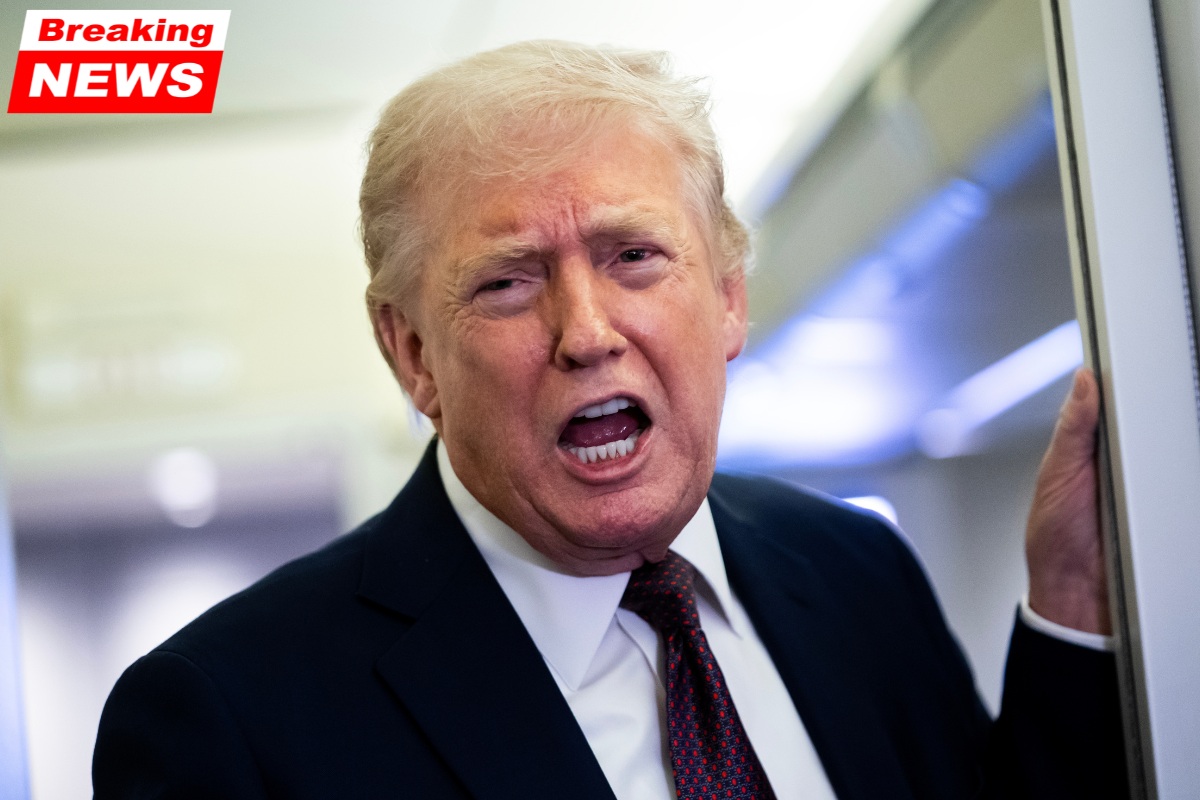
However, frustration with the U.S. handling of the situation is mounting, particularly regarding President Trump’s lack of consultation with allies prior to launching military operations in Iran on February 28.
European leaders, in particular, have expressed their dissatisfaction with the U.S. response. French President Emmanuel Macron, for example, rejected Trump’s calls for European nations to join offensive operations to open the strait, highlighting that the U.S. action was unilateral. Macron argued, “They cannot then complain about not being supported in an operation they decided on their own.”
Contradictory Statements from Trump on the Strait
Trump’s handling of the Strait of Hormuz situation has been marked by inconsistent messaging. In an address on April 1, Trump called for countries reliant on energy exports from the Gulf to take the lead in reopening the passage, offering U.S. support.
He added that the strait would “open up naturally” once the fighting ends. However, in a later social media post, Trump suggested the U.S. could take control of the strait, saying, “TAKE THE OIL,& MAKE A FORTUNE.”
The mixed signals from the U.S. have only added to the confusion and frustration among international stakeholders. As the conflict continues, the situation remains highly unpredictable, and the global community is left trying to navigate the uncertainty.
Iran’s Tightening Control Over the Strait
Iran has successfully asserted control over the Strait of Hormuz through missile and drone attacks on shipping vessels and threats of further action, including the possibility of mining the waterway. While Iran has allowed a select number of ships from friendly nations to pass, the situation remains volatile, with a significant economic and humanitarian impact.
In addition to military actions, Iran is pushing for recognition of its sovereignty over the Strait as part of any potential ceasefire agreement. On Thursday, Iran’s parliament approved a plan to collect tolls from ships passing through the waterway.
The tolls, ranging from $1 per barrel of oil for tankers, would be paid in Chinese yuan or cryptocurrency and would be applied selectively to ships based on their country of origin.
The United Kingdom-led summit rejected Iran’s toll demands, calling for diplomatic pressure on Tehran to allow free passage and threatening sanctions if Iran continues to block the strait.
Economic and Humanitarian Fallout
The closure of the Strait of Hormuz has already had significant consequences for global oil prices and the transportation of essential goods. Countries dependent on energy exports from the region are facing severe disruptions, leading to rationing of oil and gas.
Farmers, for example, are struggling with shortages of fertilizer, which is often transported through the strait. The knock-on effects are being felt across industries worldwide, highlighting the strait’s importance to the global economy.
The humanitarian impact of the closure is also dire. With many countries already facing conflict, the blockade exacerbates food insecurity, with vital shipments of fertilizer and other critical supplies stuck in the strait. In response, the United Nations has launched a task force to address the humanitarian crisis and develop mechanisms to ensure the delivery of essential goods.
International Collaboration for Humanitarian Aid
The humanitarian situation has garnered the support of organizations like the International Crisis Group, which is pushing for the release of critical supplies, such as fertilizer, through the Strait of Hormuz. This initiative is independent of any military operations to open the waterway by force and aims to protect both Iranian and global food security.
The focus is on ensuring that humanitarian aid can flow through the strait, benefiting both the global community and Iran’s own population. This approach, which aims to serve both Iranian and U.S. interests, would provide vital support to farmers and consumers while easing the broader conflict’s impact.
Ukraine’s Offer to Help Control the Strait
In an unexpected twist, Ukrainian President Volodymyr Zelensky offered his country’s expertise in managing the Strait of Hormuz. Drawing from Ukraine’s experience in navigating the Black Sea amid Russia’s aggression, Zelensky suggested that Ukraine could assist in controlling the strait through military convoys and an integrated electronic warfare network.
While Zelensky stated that Ukraine is not yet involved in the issue, he made it clear that they are ready to offer their assistance should the need arise.
Zelensky’s offer highlights the broader international effort to secure key global trade routes and reduce the humanitarian impact of the conflict in the Middle East.
Summary Table
| Key Event | Details |
|---|---|
| U.K.-Led Summit | 41 countries convened to discuss reopening the Strait of Hormuz |
| Trump’s Contradictory Messaging | Mixed signals on U.S. involvement in opening the strait |
| Iran’s Control | Iran demands tolls on ships passing through and threatens further control |
| Economic Impact | Oil prices rise, global supply chains disrupted, food and fertilizer shortages |
| Humanitarian Response | U.N. task force launched to address the humanitarian impact |
| Ukraine’s Offer | Zelensky offers Ukrainian expertise in managing the strait |
The Path Forward for the Strait of Hormuz
As the situation in the Strait of Hormuz remains precarious, global efforts to reopen the waterway continue. The tension between military action and diplomatic solutions reflects the complexity of the crisis. While the U.K. and other nations work to hold Iran accountable for its control over the strait, President Trump’s unpredictable stance only adds to the uncertainty.
The humanitarian and economic fallout of the blockade underscores the urgent need for a coordinated international response to ensure the free flow of goods and energy through this vital passageway.