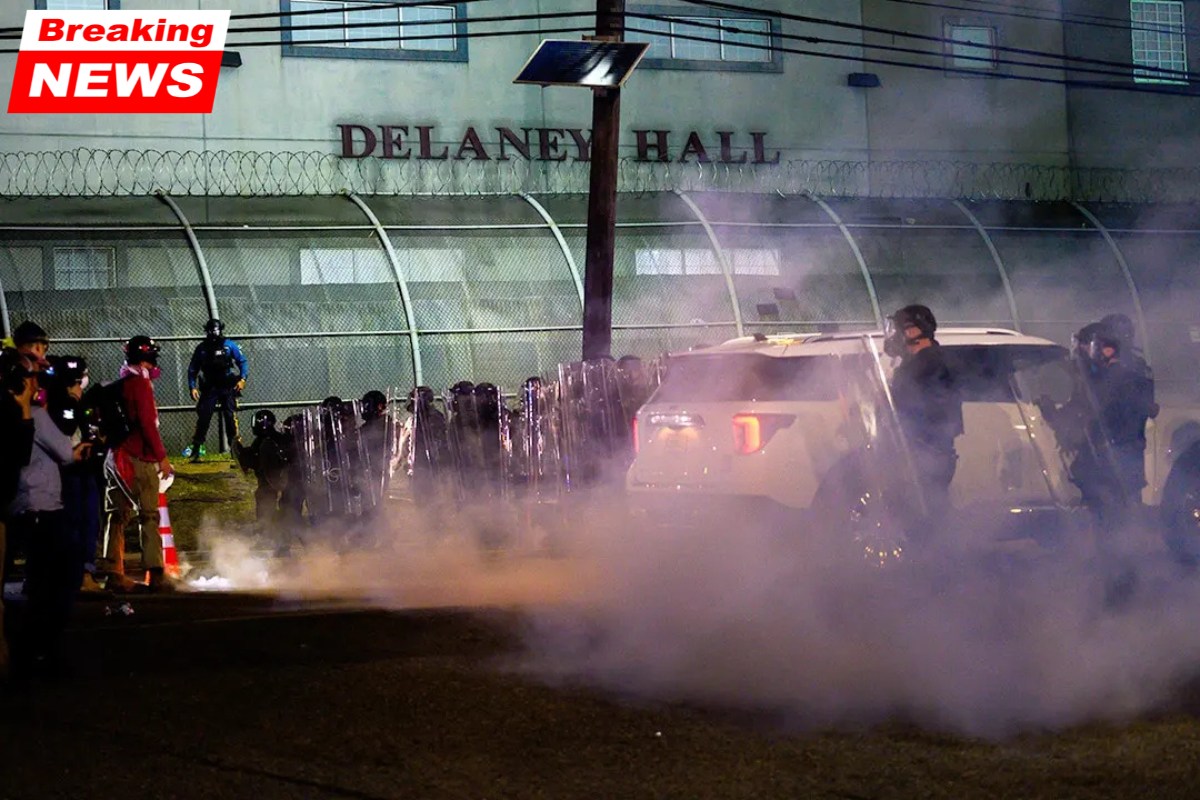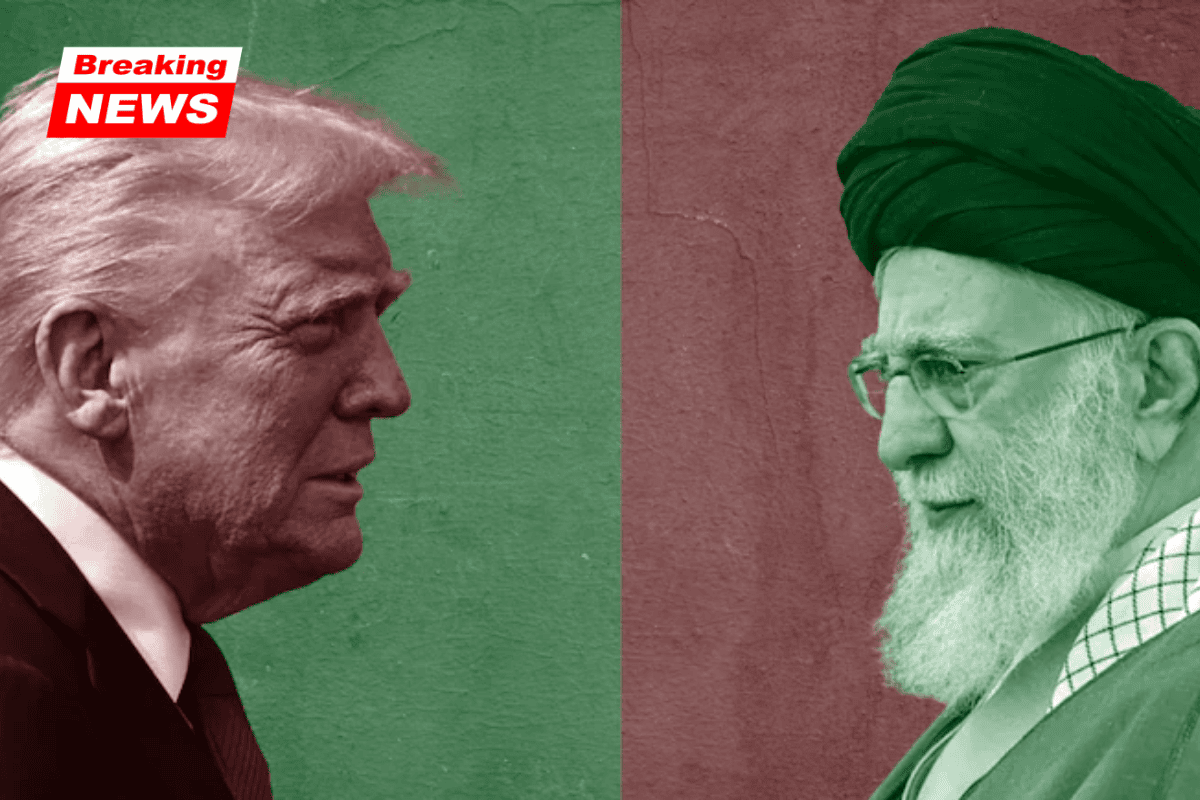
The Middle East has entered one of its most dangerous phases in recent history after Israel, backed by the United States, carried out large-scale airstrikes on Iran that reportedly killed Supreme Leader Ali Khamenei.
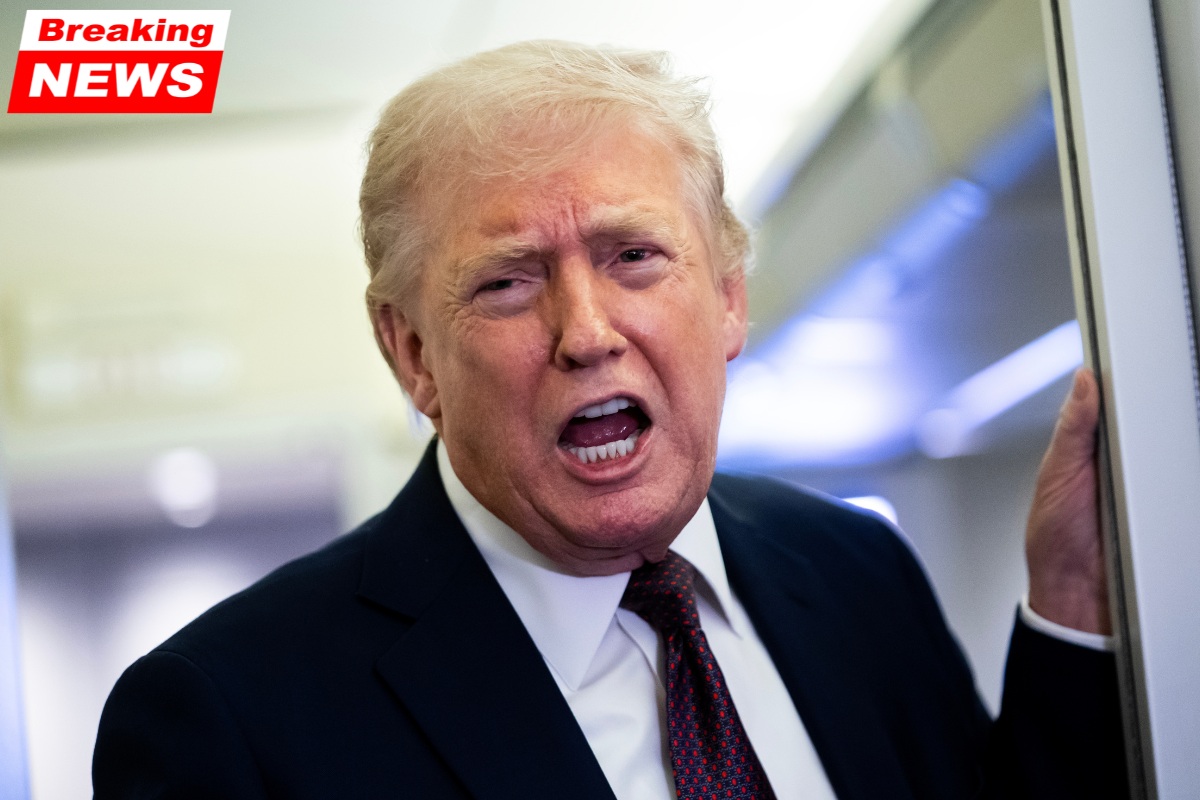
The strike has sharply escalated tensions across the region and triggered strong retaliation threats from Tehran. While US President Donald Trump described the operation as justice and part of a larger mission, experts remain divided over whether this was a necessary move or a strategic gamble.
Here is a simple and clear explanation of what happened, why it happened, and what could come next.
Overview of the Situation
| Key Point | Details |
|---|---|
| Main Target | Ali Khamenei |
| US Operation Name | Epic Fury |
| Israeli Operation Name | Lion’s Roar |
| US Objective (official) | End Iran’s nuclear threat, regime change |
| Expert View | Possibly a “war of choice” |
| Risk Ahead | Regional instability, possible civil unrest |
Who Was Ali Khamenei?
Ali Khamenei had led Iran since 1989. He was not only the country’s top political authority but also a major religious figure for Shia Muslims across countries like Iraq, Bahrain, Lebanon, Pakistan and parts of India.
His death is significant because it affects both Iran’s political system and its religious leadership structure.
Why Did the US and Israel Attack Iran?
US President Donald Trump and Israeli Prime Minister Benjamin Netanyahu said the goal of the operation was to weaken or topple Iran’s Islamic regime.
Trump claimed that:
- Iran refused to stop its nuclear programme
- Tehran was developing long-range missiles
- Iran posed a threat to Europe and US forces overseas
- Iran supported attacks against Americans in the past
The US named its campaign “Epic Fury,” while Israel called its operation “Lion’s Roar.”
Trump also urged Iranians to rise against their government, suggesting that regime change is part of the long-term objective.
Experts Call It a “War of Choice”
Some analysts disagree with the necessity of the attack.
Karim Sadjadpour of the Carnegie Endowment for International Peace said there was no immediate proof that Iran was about to build nuclear weapons or launch direct attacks on the US.
He described the conflict as a “war of choice,” meaning it was not forced by an urgent threat but driven by strategic or political decisions.
What Does the US Gain?
According to experts:
- Iran’s air defenses have weakened
- Its regional allies are already under pressure
- Internal protests have made the regime unstable
Some believe Washington sees this as an opportunity to push for major political change inside Iran.
Sadjadpour also noted that Trump may see this as a matter of credibility. Earlier this year, Trump had warned Iran against violently suppressing protests and suggested the US would intervene if necessary.
New Challenges Ahead for the US
1. Risk of More Instability
Experts warn that Iran’s regime may either:
- Collapse under pressure
- Or become even more aggressive and repressive
There is also concern about possible civil unrest, ethnic tensions and even civil war inside Iran.
2. Regional Religious Impact
Khamenei was not only a political leader but also a respected religious authority. His death could cause unrest in Shia communities in Iraq, Bahrain, Saudi Arabia and other regions.
This could spread instability beyond Iran’s borders.
3. A Long Conflict
Trita Parsi of the Quincy Institute believes Iran may try to drag the conflict out. By increasing costs for US forces and regional allies, Tehran may hope to weaken American public support for the war.
US public opinion already appears cautious about another prolonged Middle East conflict.
What Happens Next?
There are several possible outcomes:
- Regime survives and tightens control
- Military defections weaken Iran internally
- Civil unrest grows
- Regional war expands
- Diplomatic talks reopen
Trump has suggested that Iran’s new leadership may want to negotiate. However, experts warn that wars rarely follow clear timelines.