The ongoing U.S.-Israeli military campaign in Iran has triggered strong debate, with critics calling it a “war of choice” and supporters arguing it may have been unavoidable. Now in its second month, the conflict has already affected global energy supplies and financial markets.
One major flashpoint is the Strait of Hormuz, a key route through which a large portion of the world’s oil passes. Iran has effectively restricted access to the strait, causing oil prices to rise and creating uncertainty in global markets.
Wall Street View: A Necessary Risk?
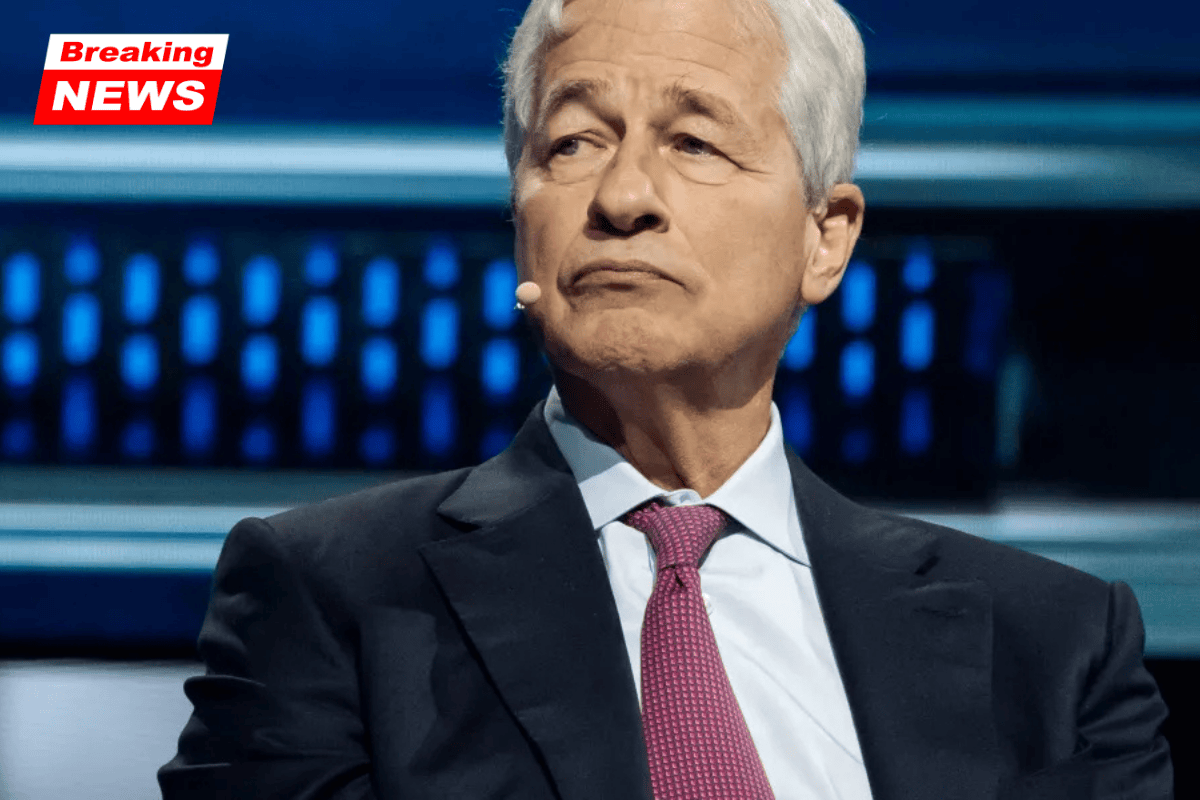
Jamie Dimon, head of JPMorgan Chase, suggested the situation raises a deeper question about long-term strategy. He argued that allowing a hostile power to control such a critical trade route for decades may have been a bigger risk than confronting it now.
Dimon pushed back on the idea that the war was optional. He pointed to Iran’s long history of supporting armed groups across the region, including Hezbollah and Houthis, and said the threat has been building for years.
Political Pressure on Trump
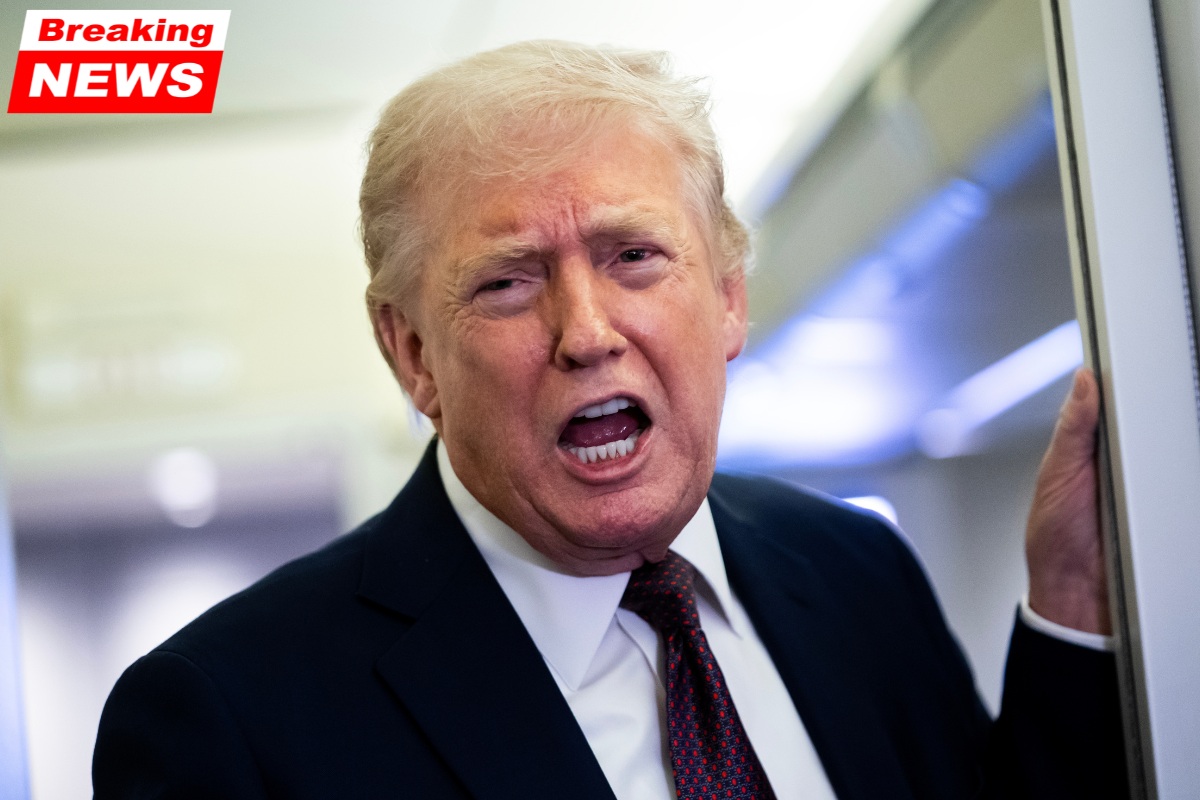
U.S. President Donald Trump is facing criticism both at home and abroad. Many voters and political leaders question the purpose and long-term plan of the war, especially as costs rise and clear outcomes remain uncertain.
At the same time, some U.S. allies in the Middle East support continuing the campaign. Mohammed bin Salman has reportedly encouraged the U.S. to stay engaged, calling it a rare chance to reshape regional power dynamics.
Economic Impact and Global Risks
The conflict has exposed how dependent the global economy is on stability in the Middle East. Disruptions in shipping routes have already increased costs and delays, similar to earlier attacks in the Red Sea region.
Experts warn that the longer the conflict continues, the greater the risk of long-term damage, including higher energy prices, trade disruptions, and economic slowdown worldwide.
Unclear Endgame Raises Concerns
Despite ongoing military action, there is still no clear plan for what happens after the conflict. Analysts warn that even if Iran’s leadership weakens, the country could face instability or a power vacuum.
Research groups like Brookings Institution caution that the war could lead to refugee crises and prolonged regional instability. Countries like Turkey are also concerned about the possible rise of other regional groups if Iran’s government collapses.
Hope for Long-Term Stability
Dimon suggested there is a narrow path to success. If Iran and its allied groups are weakened, it could reduce tensions in the region over time.
He noted that several countries, including Saudi Arabia and the United Arab Emirates, share similar goals with the U.S. and Israel, which may improve chances for long-term peace.
Still, achieving lasting stability remains uncertain. The conflict highlights how difficult it is to balance military action, economic stability, and long-term geopolitical goals in such a complex region.