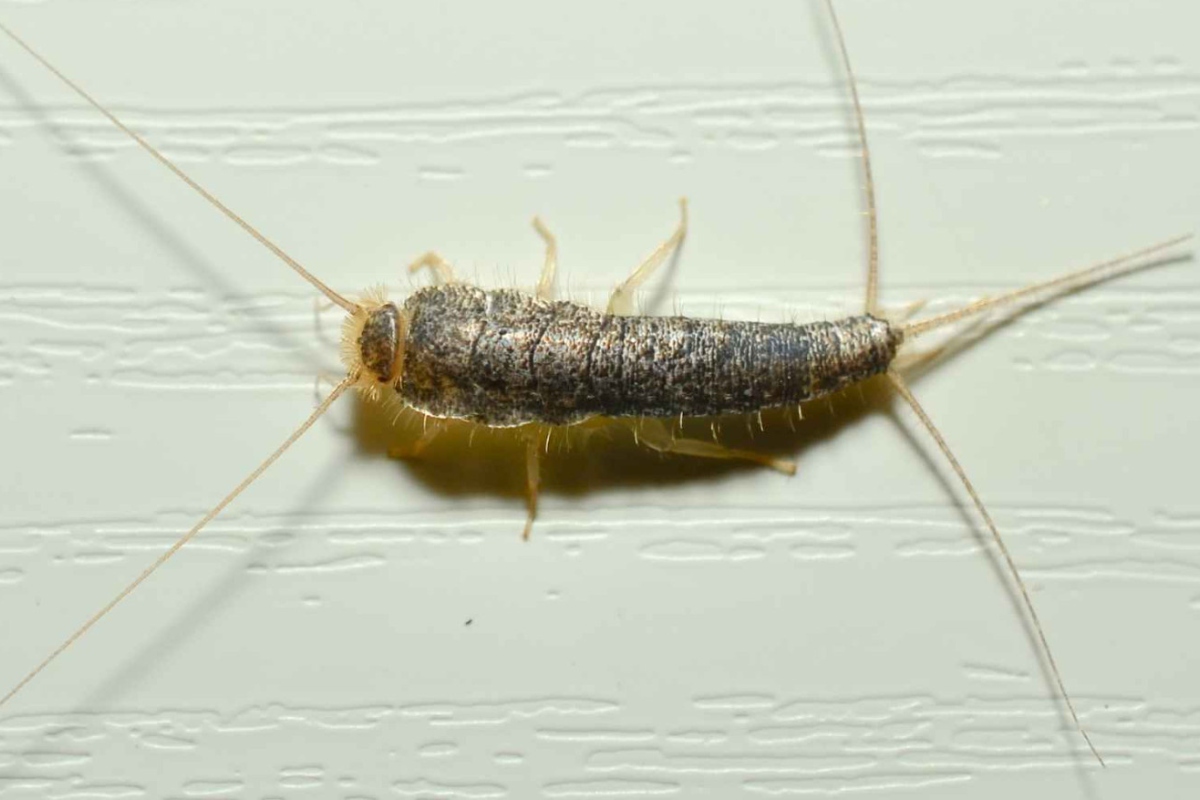
There is a quiet, almost invisible presence in many Oklahoma homes that homeowners tend to overlook—until it becomes impossible to ignore. Silverfish, small, fast-moving insects with a metallic sheen, are far more common in Oklahoma homes than people realize.
Though they are not aggressive and rarely seen in daylight, silverfish are quietly thriving in hidden corners of bathrooms, basements, kitchens, and more.
What Makes Silverfish So Common in Oklahoma Homes?
Oklahoma’s fluctuating climate, with its warm temperatures and periodic humidity, provides the ideal environment for silverfish. Unlike other pests that are dependent on outdoor ecosystems, silverfish are perfectly adapted to indoor living and can survive for years without being noticed.
In homes, especially older constructions or those with inadequate ventilation, moisture can accumulate unnoticed.
Bathrooms without proper airflow, hidden leaks in kitchens, and crawl spaces all contribute to microenvironments where silverfish thrive. These insects are attracted to humidity levels that humans might barely notice but that are perfect for their survival.
The Ideal Food Sources for Silverfish
Another reason silverfish are so successful in Oklahoma homes is the abundance of food sources available to them. Silverfish feed on starches and polysaccharides found in paper, glue, fabrics, and even dust.
In an average home, this means books, wallpaper, cardboard boxes, and clothing become a constant food supply for silverfish, allowing them to live without ever needing to venture outside.
Even a small silverfish population can persist for years, gradually expanding without drawing attention, as they don’t need large colonies to make a noticeable impact.
Why Are Silverfish So Hard to Detect?
One of the most frustrating aspects of silverfish is their elusive behavior. They are nocturnal creatures, preferring the cover of darkness, which means they are rarely seen during the day.
Their activity peaks while most people are asleep, and they move incredibly fast in short bursts, resembling the darting motion of a fish. This quick movement helps them avoid detection as they retreat into cracks, baseboards, or behind furniture.
Another key factor that makes silverfish hard to spot is their tendency to stay close to surfaces. They often hide in narrow gaps beneath sinks, behind cabinets, inside wall voids, and beneath flooring edges.
Their lifespan also contributes to their stealth. Silverfish can live for several years, much longer than many common household pests. This means even without rapid reproduction, a population can remain stable and persistent over time.
The Hidden Damage Caused by Silverfish
While silverfish are not dangerous in the traditional sense—they don’t bite or sting—they can cause significant, albeit subtle, damage to a home.
They feed on paper products like books, documents, and stored papers, slowly degrading these items over time. Small holes, yellowing, and irregular damage patterns in paper materials are often the first signs of their presence.
Clothing made of natural fibers such as cotton, linen, or silk is also at risk, as silverfish are attracted to the starches used in fabric finishing. The damage they cause may initially be mistaken for normal wear and tear.
Additionally, silverfish are drawn to glue and adhesives, including those in wallpaper paste, book bindings, and flooring adhesives. In older homes, this gradual deterioration can lead to significant damage to materials that were never designed to withstand insect activity.
Most importantly, silverfish serve as a signal that moisture problems may exist in the home. Their presence often indicates that certain areas are retaining humidity, which can also encourage mold growth and structural decay.
Common Hiding Spots for Silverfish in Oklahoma Homes
Silverfish are most commonly found in bathrooms due to the constant moisture in these spaces. Areas under sinks, behind toilets, and near bathtubs provide ideal hiding places. However, they also thrive in kitchens, especially where plumbing lines create hidden damp zones.
Basements and crawl spaces are key areas for silverfish, particularly in Oklahoma homes that lack proper ventilation. These spaces create an environment where silverfish can persist undisturbed for long periods.
Similarly, closets and storage spaces are another prime location, where stored clothing, cardboard boxes, and paper products provide both food and shelter.
Even bedrooms can harbor silverfish, particularly in areas like nightstands, bookshelves, and under beds where humidity levels may be slightly elevated.
Why You Might Not See Silverfish Until It’s Too Late
Silverfish can remain unnoticed for extended periods due to their nocturnal nature and elusive behavior. They do not create obvious signs like nests or webs.
Instead, their presence is often revealed through subtle damage or rare sightings. A single silverfish spotted at night may be a sign of a larger hidden infestation.
Additionally, silverfish can survive for weeks without food and can live in environments with minimal resources. This allows them to remain hidden, even in areas with limited food sources.
Bright lighting also deters silverfish, making it unlikely to encounter them during normal daytime activities. They prefer dark, enclosed spaces, further reducing the chances of spotting them.
The Misconception That Silverfish Are Harmless
While silverfish are not dangerous in the same way that spiders or venomous insects might be, they are not entirely harmless. Their feeding habits can cause significant damage to books, documents, clothing, and other stored items. Over time, this damage can accumulate, leading to considerable losses.
Moreover, the moisture that supports silverfish can contribute to mold growth and other structural issues. In this sense, silverfish serve as a warning sign for broader environmental problems inside a home.
Silverfish Activity and Seasonal Patterns in Oklahoma
Silverfish activity tends to increase during the warmer months when humidity is higher, creating optimal breeding conditions.
However, during colder months, they retreat deeper into homes, seeking out warm, humid areas. Rainy periods can also drive silverfish into new areas, leading to sudden sightings where they were previously unnoticed.
How Silverfish Enter Homes and Spread
Many people assume that silverfish come only from within the home, but they can also be introduced from outside or through items brought indoors. Cracks in foundations, gaps around windows, and plumbing lines all provide entry points. They can also hitch a ride on boxes, books, or stored materials.
Once inside, silverfish quickly establish themselves and spread steadily over time. They move slowly but steadily, often occupying multiple areas of a home if conditions remain favorable.
Practical Tips for Reducing Silverfish Presence
To effectively reduce silverfish in your home, it’s crucial to address the environmental factors that support their survival. Simply removing visible insects is not enough, as hidden populations can persist.
- Moisture Control: Use dehumidifiers, improve ventilation, and fix leaks to reduce humidity.
- Decluttering: Reduce the number of paper products, cardboard boxes, and fabrics, which provide food sources and hiding places.
- Sealing Cracks: Seal gaps around windows, plumbing lines, and baseboards to prevent entry and movement.
- Regular Cleaning: Vacuum hidden areas, like corners, under furniture, and inside closets, to disrupt silverfish habitats.
Silverfish may be small and often go unnoticed, but their presence in an Oklahoma home can be a sign of more significant environmental issues.
By understanding their behavior, habitat preferences, and the damage they can cause, homeowners can take steps to address the underlying conditions that allow silverfish to thrive.
By reducing humidity, sealing entry points, and removing food sources, you can minimize the impact of silverfish and protect your home from these hidden pests.
FAQs:
1. What are silverfish and where do they hide in my home?
Silverfish are small, fast-moving insects with a metallic sheen. They commonly hide in bathrooms, kitchens, basements, crawl spaces, and closets, where there’s moisture and food sources like paper and fabrics.
2. Are silverfish dangerous?
No, silverfish do not bite or transmit diseases. However, they can cause damage to paper products, books, fabrics, and adhesives over time.
3. Why do silverfish thrive in Oklahoma homes?
Oklahoma’s warm temperatures and fluctuating humidity levels provide the perfect environment for silverfish, especially in homes with poor ventilation and hidden moisture.
4. How do I get rid of silverfish in my home?
To reduce silverfish, control moisture with dehumidifiers, fix leaks, and improve ventilation. Decluttering and sealing cracks can also help prevent their spread.
5. How do I know if I have a silverfish infestation?
Signs of an infestation include unexplained damage to paper items, fabrics, and adhesives, as well as occasional sightings of silverfish, especially at night.