The conflict between the United States and Iran has entered a more dangerous phase. On March 1, the U.S. military confirmed the first American casualties since President Donald Trump ordered large-scale strikes against Iran. At the same time, a new Reuters/Ipsos poll showed that only 27% of Americans support the attacks, while 43% oppose them.
As military operations continue, questions are growing about how long the conflict could last and what might happen next.
Here is a clear summary of the latest developments.
Overview of the Current Situation
| Key Detail | Information |
|---|---|
| US Troops Killed | 3 |
| US Troops Seriously Wounded | 5 |
| Iranian Leaders Killed (claimed) | 48 |
| Iranian Targets Hit | 1,000+ |
| Public Support for Strikes | 27% |
| Estimated Duration | Up to 4 weeks |
US Confirms First Casualties
United States Central Command (CENTCOM) announced that three American service members were killed and five seriously wounded during operations against Iran. Several others suffered minor injuries.
Two U.S. officials told Reuters that the troops were killed at a base in Kuwait, though CENTCOM has not officially confirmed the exact location.
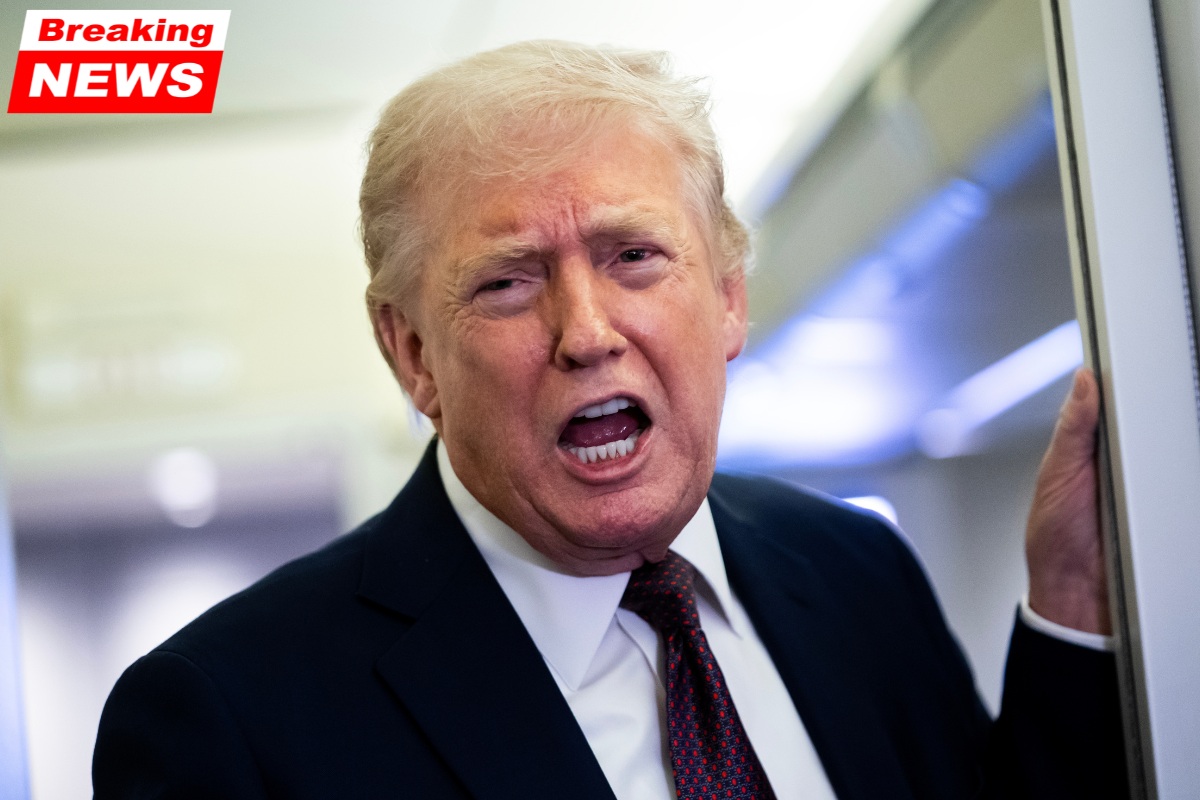
President Donald Trump addressed the nation, calling the fallen troops patriots and warning that more casualties are possible as the war continues.
Scale of US Military Operations
According to U.S. military officials, more than 1,000 Iranian targets have been struck since Saturday. The attacks include:
- B-2 stealth bombers dropping 2,000-pound bombs
- Strikes on underground missile facilities
- Air defense systems
- Naval targets
Trump claimed that 48 Iranian leaders have been killed and that U.S. forces have sunk nine Iranian warships so far.
Iran’s Response and Regional Impact
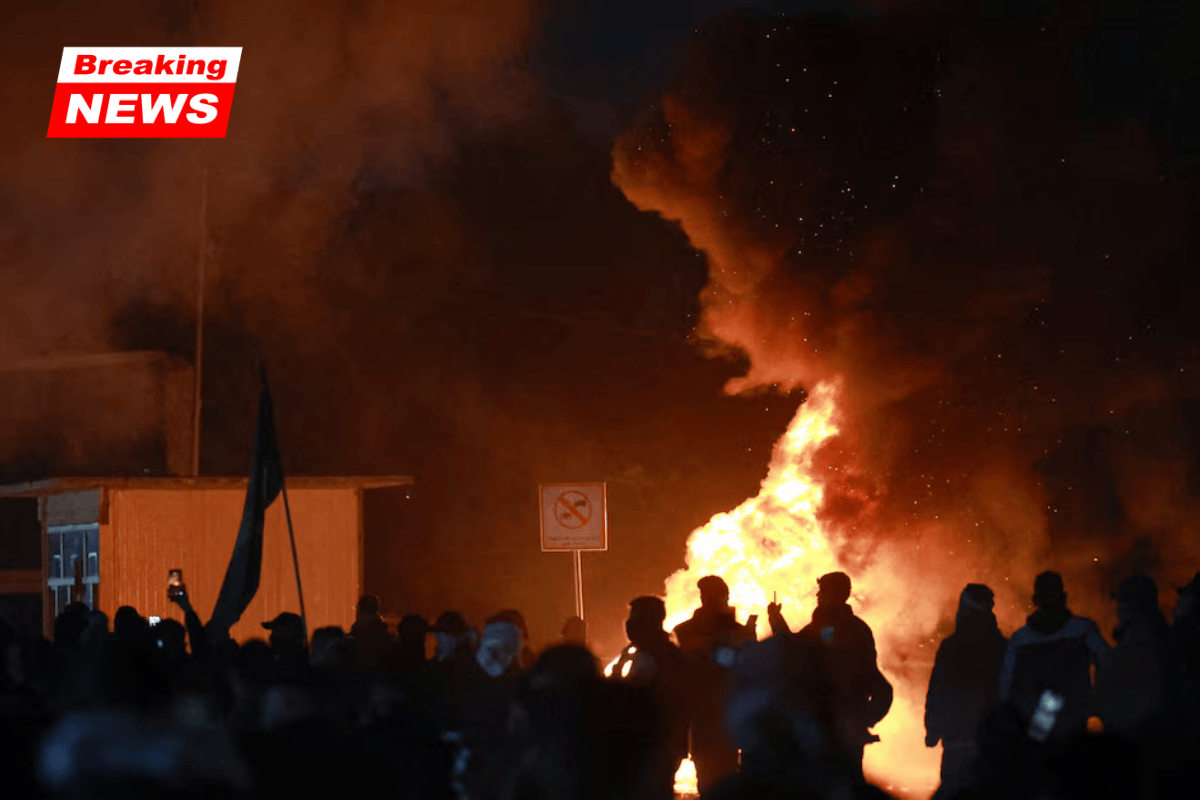
Iran has launched retaliatory missile and drone attacks targeting U.S. bases and regional allies. Iranian officials said they have studied past U.S. military operations in Iraq and Afghanistan and prepared accordingly.
After the reported killing of Ali Khamenei, Iran’s President Masoud Pezeshkian announced that a temporary leadership council has taken over the Supreme Leader’s duties.
The conflict has already caused:
- Disruptions in global oil markets
- Shipping delays
- Air travel cancellations
- Rising geopolitical tension
US Public Opinion Divided
A Reuters/Ipsos poll conducted over the weekend found:
- 27% of Americans approve of the strikes
- 43% disapprove
- 29% are unsure
Nearly 90% said they had heard at least some information about the conflict.
This shows that while awareness is high, support for military action remains limited.
How Long Could the Conflict Last?
Trump told the Daily Mail that the military campaign could last around four weeks. He described it as a planned operation that may take “four weeks or less.”
Military experts say the situation remains unpredictable.
Some U.S. lawmakers are questioning whether regime change is possible through airstrikes alone. Democratic Senator Chris Coons said there are few modern examples where governments were removed solely through air power.
Republican Senator Tom Cotton also said there is “no simple answer” about what happens next.
What Could Happen Next?
Experts say the key questions include:
- Will Iran escalate further?
- Can the U.S. avoid deeper ground involvement?
- Will internal unrest grow inside Iran?
- How will global markets react long term?
Some analysts believe the strategy may aim to weaken Iran’s military and test loyalty within its leadership ranks. However, success depends on how Iran’s security forces and citizens respond.