WASHINGTON, March 19 — Dolores Huerta, a prominent civil rights leader and co-founder of the United Farm Workers (UFW) union, publicly accused Cesar Chavez, her former collaborator and partner in the fight for U.S. labor rights, of se*ually assaulting her in the 1960s.
The accusations come in light of a New York Times investigation, published on Wednesday, which uncovered a pattern of se*ual misconduct allegations against Chavez, including claims by women who said he molested and raped them as minors.
Huerta’s Painful Revelations
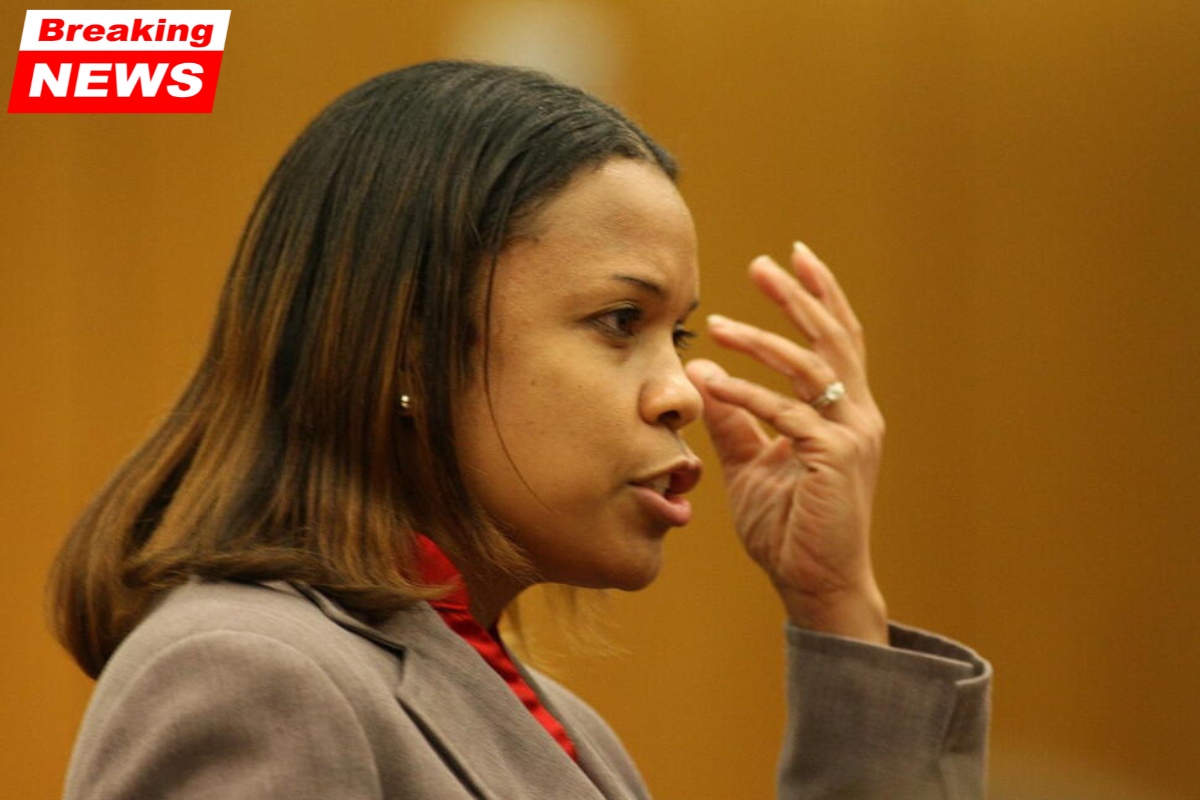
In her statement, Huerta (96), who has long been a symbol of labor rights activism, explained that she had never spoken about her experiences until now. She revealed that Chavez se*ually assaulted her twice in the 1960s. The first encounter, Huerta said, occurred when she was “manipulated and pressured” into having s*x with Chavez, someone she admired and viewed as her boss and leader of the movement.
The second encounter, Huerta stated, was even more disturbing as she was “forced to have s*x against my will” in an environment where she felt trapped. Both incidents led to pregnancies that Huerta chose to keep secret, arranging for the children to be raised by other families. Huerta acknowledged that she had kept silent for so long, fearing that revealing the truth would damage the farmworker movement she had spent her life fighting for.
“I believed that exposing the truth would hurt the farmworker movement I have spent my entire life fighting for,” Huerta said. “Cesar’s actions do not reflect the values of our community and our movement.”
Chavez Family’s Response
The Chavez family, including Andres Chavez, a grandson of the late labor leader, did not dispute Huerta’s accusations and expressed devastation over the revelations. In a public statement, the family conveyed their sorrow, saying, “We wish peace and healing to the survivors and commend their courage to come forward.”
However, they also expressed their personal memories of Chavez, noting that while the allegations had surfaced, their experience with him was one shaped by his contributions to the labor movement. “We carry our own memories of the person we knew. Someone whose life included work and contributions that matter deeply to many people,” the family said.
The Fallout and Public Reaction
The allegations against Chavez have triggered swift backlash from prominent Latino groups and activists. The Congressional Hispanic Caucus issued a statement supporting the renaming of public spaces, streets, and federal holidays honoring Chavez. They suggested that these recognitions be shifted to focus on honoring the farmworkers and communities whose struggles defined the movement, rather than Chavez himself.
Voto Latino, a Latino voter advocacy group, condemned Chavez’s actions but also acknowledged the contributions of the countless individuals who helped build the farmworker movement. The group emphasized that Chavez’s actions should not overshadow the achievements of the community.
In response to the accusations, the UFW announced that it would cancel planned celebrations of Chavez, including marches, service projects, and educational programs, which had typically taken place on March 31, Chavez’s birthday. These events were part of a federal commemorative holiday that celebrated his legacy.
The Cesar Chavez Foundation, an organization dedicated to preserving Chavez’s memory, pledged to work with the UFW to assist those who may have been harmed by Chavez’s actions and provide a platform for survivors to share their experiences and seek support.
Chavez’s Legacy in Question
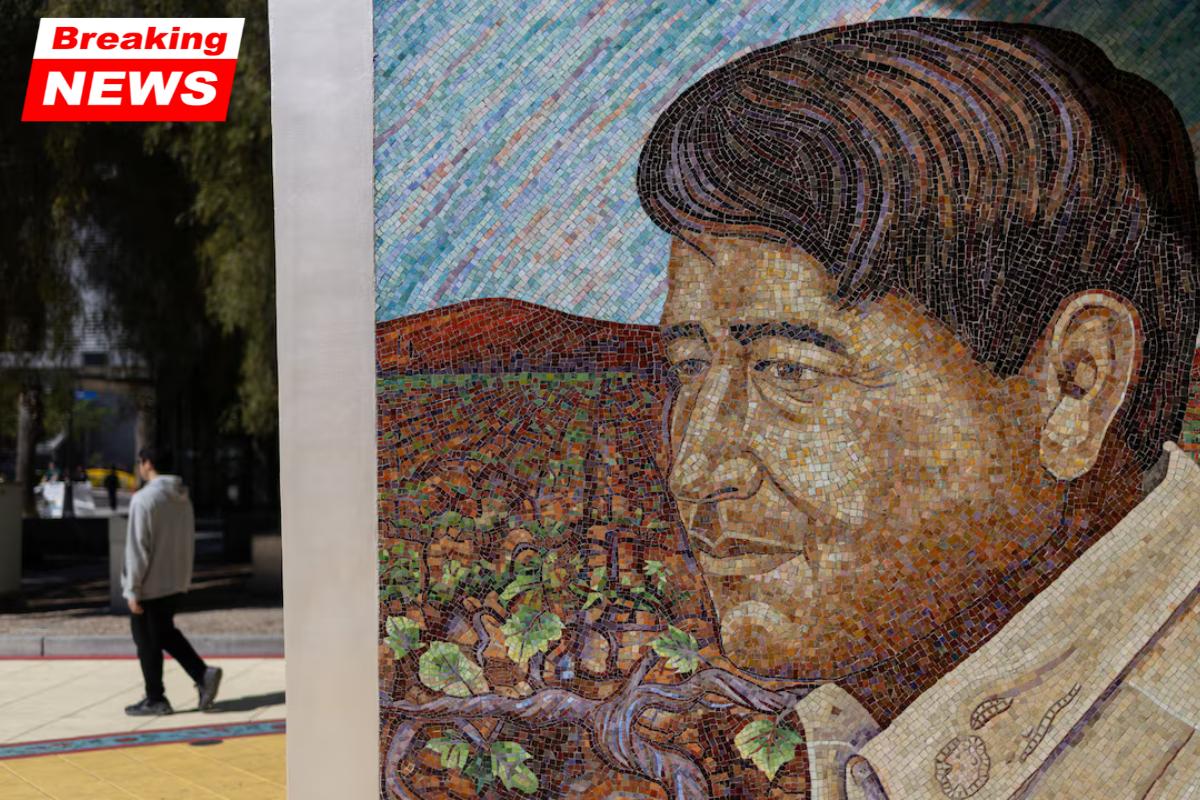
Chavez, who gained international prominence for leading boycotts and organizing fasts for better wages and working conditions for migrant workers, now faces a significant reappraisal of his legacy in light of the s*xual assault allegations.
Huerta, who was instrumental in negotiating with growers, lobbying for legislative changes, and supporting workers during the UFW’s most influential years in the 1960s and 1970s, has faced deep personal and professional challenges as the revelations about Chavez unfold.
Despite the emotional toll, Huerta has continued her activism into her 90s, canvassing to get out the vote and participating in protests. In 2012, President Barack Obama awarded her the Presidential Medal of Freedom for her lifelong dedication to civil rights and labor justice.
| Detail | Information |
|---|---|
| Accuser | Dolores Huerta |
| Alleged Incident | S*xual assault by Cesar Chavez in the 1960s |
| Victims’ Accounts | Two separate instances of assault resulting in pregnancies |
| Chavez Family Response | Expressed sorrow, acknowledged Chavez’s contributions but did not dispute the allegations |
| Public Backlash | Latino groups, including Congressional Hispanic Caucus, support renaming streets and federal holidays honoring Chavez |
| UFW’s Actions | Canceled planned celebrations of Chavez, including marches and educational programs |
| Chavez’s Legacy | Re-evaluation of Chavez’s legacy as a labor leader amid allegations of s*xual misconduct |
The allegations against Cesar Chavez have cast a shadow over his legacy as a champion of labor rights and social justice, forcing a difficult reckoning within the UFW, the Latino community, and the broader civil rights movement.
As Dolores Huerta courageously shared her story, it has sparked important conversations about accountability, survivor support, and the long-lasting impact of abuse within movements for social change.