
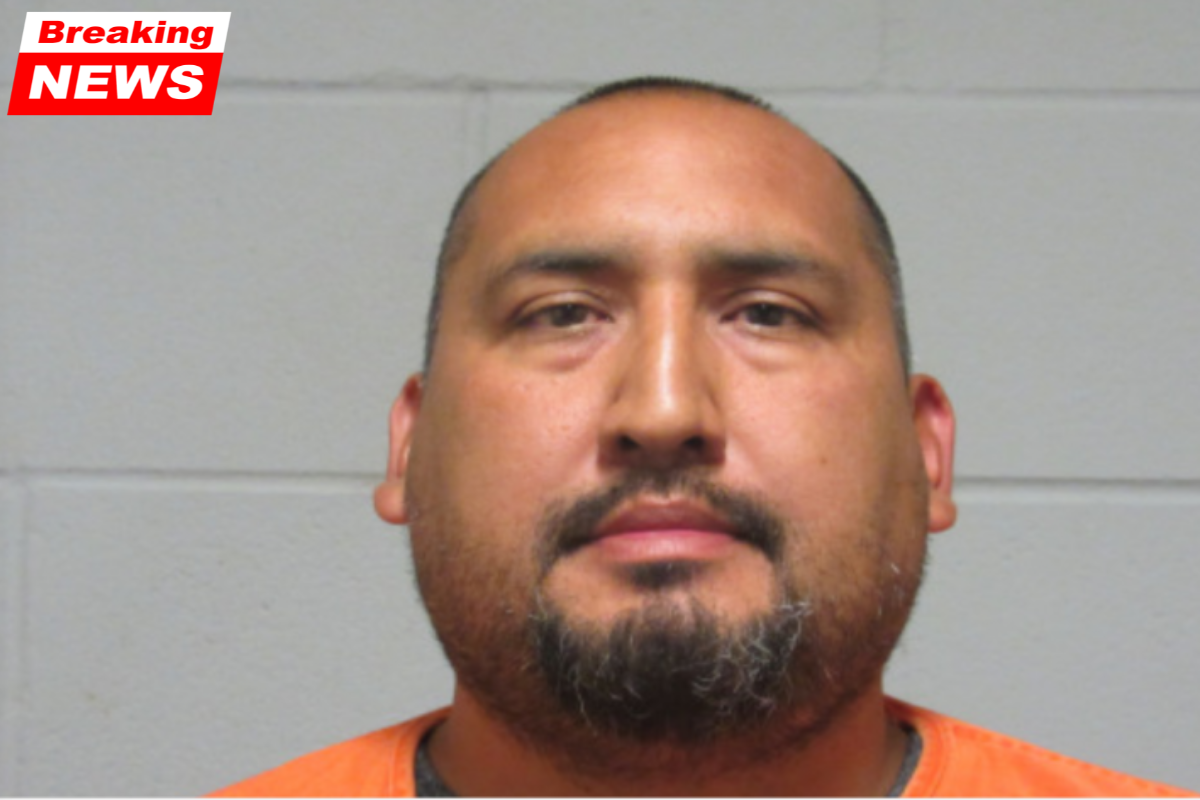
A long-running legal case involving an Oklahoma man accused of acting as an unlicensed bail enforcement agent and facing multiple kidnapping charges has reached a resolution in court.
Billy Duane Hocker, 52, formerly of Tonkawa and now living in Bethany, has received a deferred sentence after prosecutors dropped the most serious charges against him.
Background of the Case
Hocker was originally arrested in 2019 on a felony charge of acting in the capacity of a bail enforcement agent without a license. Authorities later added 20 felony kidnapping charges tied to his alleged activities.
The case stemmed from an investigation into whether Hocker was operating as a bail enforcement agent despite having his license revoked years earlier.
According to an affidavit from investigator Walter R. Birdsong, Hocker’s bail bondsman license had been revoked in June 2014 by the Oklahoma Insurance Department.
Investigation and Legal Proceedings
The investigation began after a complaint alleged that Hocker was working as a bail enforcement agent for a bail bond service despite lacking a valid license.
A preliminary hearing in the case was held in October 2020, followed by an arraignment scheduled in early 2021. Over the years, the case experienced multiple delays and rescheduled court dates.
At one point, a jury trial was set, but proceedings were postponed due to an insufficient number of jurors.
Dismissal of Kidnapping Charges
In February, prosecutors moved to dismiss all 20 kidnapping charges against Hocker. The reasons for the dismissal were not detailed in the available information.
With those charges removed, the case narrowed to the original allegation involving unlicensed bail enforcement activity.
Guilty Plea and Sentencing
Following the dismissal, Hocker entered a guilty plea to the remaining charge of acting as a bail enforcement agent without a license.
Judge David Bandy ordered a deferred sentence of three years. Under a deferred sentence, Hocker will not face a conviction on his record if he successfully meets the conditions set by the court during that period.
What a Deferred Sentence Means
A deferred sentence allows a defendant to avoid a formal conviction if they comply with court-ordered requirements such as probation, fines, or other conditions.
If those conditions are met over the designated time frame, the case can ultimately be dismissed. However, failure to comply could result in further legal consequences.
Key Takeaways at a Glance
| Aspect | Details |
|---|---|
| Defendant | Billy Duane Hocker |
| Age | 52 |
| Original Charges | Unlicensed bail enforcement, 20 kidnapping counts |
| Investigation | License revoked in 2014 |
| Outcome | Kidnapping charges dismissed |
| Plea | Guilty to unlicensed bail enforcement |
| Sentence | 3-year deferred sentence |
The resolution of this case marks the end of a lengthy legal process that once involved serious felony allegations. While the kidnapping charges were dismissed, the remaining conviction related to unlicensed bail enforcement resulted in a deferred sentence.
The case highlights the legal risks associated with operating in regulated professions without proper licensing, as well as how complex criminal cases can evolve over time through investigations, hearings, and prosecutorial decisions.






